

2026 Guide to Sourcing Real STEM Toys for Bulk Procurement
Jul 15, 2026 Updated Jul 15, 2026 By Ethan Lin, B2B Toy Sourcing Editor
A "STEM" label on a toy box does not guarantee educational value. Most products carrying that acronym are standard building blocks or magnetic tiles with updated packaging. Real STEM procurement means sourcing products where a child has a clear task objective—build a circuit that rings a doorbell, launch a rocket by adjusting air pressure, or grow a crystal with controlled variables. This guide provides procurement managers, after-school program directors, and educational kit buyers a repeatable framework for verifying genuine educational design, identifying trustworthy wholesale channels, negotiating MOQs for science kits, and avoiding the three most common red flags that lead to unusable inventory.
The STEM Verification Standard: Task Objective, Not Just a Label
Before you evaluate any supplier, you need an internal quality bar. A genuine STEM activity has a definable task objective—a problem a child must solve or a hypothesis they must test. If the packaging offers only open-ended play with no guided challenge, it's a construction toy, not a STEM kit. This distinction matters for procurement because after-school programs and school districts buy kits with lesson plans, not just toys.
Apply this four-point checklist to every sample you receive. First, does the product include a measurable goal? For example, assembling a moisture sensor that lights up when soil is dry, not just connecting blocks randomly. Second, is there a failure state? A rocket that doesn't launch if the water level is wrong teaches iteration. Third, does the manual explain the underlying principle in age-appropriate language, or just show pictures of the assembly steps? Fourth, does the kit require data recording—like logging launch angles versus distance? If a supplier can't answer yes to at least three of these, the product is a general educational toy, not a STEM product suitable for curriculum-based bulk orders.
Wholesalers vs. Distributors: Who Actually Sells Real STEM Kits?
Understanding the supply chain prevents you from paying educational premiums for non-educational products. A wholesaler is a volume-based intermediary. They buy container loads from factories and sell by the case or pallet. Their value is price and stock availability, but their technical knowledge about pedagogy is often zero. A distributor, however, often holds exclusive regional rights for a brand and provides marketing materials, replacement parts, and sometimes teacher training guides. For bulk procurement of STEM kits destined for institutional use, an authorized educational distributor is almost always a better fit than a general toy wholesaler.
The third channel is factory-direct, particularly for OEM science kits. This requires higher MOQs—often 1,000 to 3,000 units per SKU—but gives you control over the task objective, manual quality, and material safety documentation. The trade-off is lead time and development cost. A fourth, often-overlooked channel is specialized educational importers who combine products from multiple factories into a single catalog aligned with curriculum standards. They sit between distributor and factory-direct, offering moderate MOQs with curated, pre-vetted educational content.
How to Find Genuine STEM Toy Suppliers
Trade shows remain the most reliable starting point, but you must filter by hall. At Spielwarenmesse in Nuremberg, the "Tech2Play" and "School & Stationery" halls concentrate STEM-verified exhibitors. At the Hong Kong Toys & Games Fair, look for the "Smart Tech Toys" and "Educational Toys & Games" zones. Avoid the general plush and dolls halls unless you enjoy walking past 400 booths of stuffed animals to find one science kit.
B2B platforms require aggressive filtering. On Alibaba, search not just for "STEM toys wholesale" but for specific product architectures like "circuit blocks educational kit with lesson plan" or "water rocket launcher with experiment manual." Then filter by suppliers holding ISO 9001 and, critically, suppliers who provide EN 71 or ASTM F963 test reports directly in their product listings—not just in a downloadable file on request. A lab test report PDF visible in the product images is a stronger signal than a Verified Pro or Assessed Supplier badge.
Industry directories and associations yield higher-quality leads than open platforms. The American Specialty Toy Retailing Association (ASTRA) and the Toy Association's "Genius of Play" initiative both maintain member directories with educational criteria. For Europe, Spiel Gut certification is a powerful proxy. A supplier whose product carries that seal has passed independent pedagogical review. Request the certification number and verify it on the Spiel Gut website before negotiating MOQs.
How to Evaluate STEM Toy Suppliers: A Diagnostic Checklist
| Task Objective Verification | Request the experiment manual or lesson plan before samples. Confirm a measurable goal exists. |
|---|---|
| Safety & Compliance | Require EN 71 (EU) or ASTM F963 (US) test reports for the exact SKU, not a "representative" sample from the factory. |
| Factory Audit & Capacity | Request a recent (within 18 months) third-party audit report—BSCI, SEDEX, or ISO 9001. Cross-check the factory address on the report with the business license. |
| MOQ & Price Realism | A genuine STEM kit with custom packaging and a printed manual rarely has an MOQ below 500 units. Prices below $2/unit for a multi-component science kit usually indicate omitted safety testing. |
| Manual & Pedagogy | Examine the manual for factual accuracy and age-appropriate language. A real STEM manual explains the "why," not just the "how." |
What to Ask STEM Toy Suppliers Before You Commit
A structured RFQ (Request for Quotation) eliminates 80% of unsuitable suppliers in the first email exchange. Send these seven questions, and disqualify any supplier who cannot answer all of them within three business days.
1. Can you provide the experiment manual or curriculum guide in editable format for our review? This is the single most diagnostic question. A supplier with real educational expertise will send a PDF immediately. A trading company selling generic blocks will stall.
2. Which specific EN 71 or ASTM F963 clauses does this product comply with? For chemistry sets, EN 71-4 is mandatory. For electronic kits, electromagnetic compatibility (EMC) testing matters. A supplier who doesn't know the clause numbers is likely a reseller.
3. What is the percentage of pre-tested components versus components tested only in the final assembly? This reveals whether the factory actually owns testing equipment or subcontracts everything.
4. Can we modify the lesson plan to align with our national curriculum standards? This tests whether the supplier designed the educational content or bought a generic kit off the shelf.
5. What is the failure rate you guarantee per 1,000 units, and what is the replacement parts process? For kits with electronic components, a 1-2% defect rate is normal. The supplier should ship replacement parts with the order or within two weeks.
6. Do you hold mold ownership for the custom tooling, and can we transfer molds if we switch suppliers? Get this in writing. Mold fees for educational kits range widely by complexity, but ownership terms are non-negotiable.
7. Request a video call showing the production line for this exact product, not a showroom. Walk through the assembly and testing stations. If they show you a clean desk with one sample, you're looking at a trading office, not a factory.
Build & Maintain a Relationship That Protects Quality
STEM toy sourcing is not a one-transaction game. The best suppliers reserve production slots for buyers who provide structured feedback. After your first order, send a one-page quality report: what worked, what broke, which experiments confused kids, which ones they loved. This signals you're a serious educational buyer, not a discounter flipping inventory.
Negotiate a continuous improvement clause. Ask the supplier to reserve 2% of the contract value for minor manual revisions or component upgrades between production runs. Educational standards evolve; your supplier should evolve with you. Also, agree on a defect communication protocol. For a 3,000-unit order of science kits, a missing spring in 10 kits is a packaging issue—fixable. A malfunctioning buzzer in 200 kits is a component failure—requiring root cause analysis before the next run.
A common pitfall is treating OEM STEM kits like commodity plastic toys. When you demand a 15% price cut on a kit with a custom-printed experiment manual, the supplier cuts corners on the one thing that makes it educational: the content. Negotiate on secondary packaging or accessory materials, not on the pedagogical core. The manual's paper weight, the clarity of the syringe markings for water rockets, and the calibration of the pressure gauge are your product's value. Protect them.
Supplier Evaluation Checklist: Objective Criteria for Bulk STEM Procurement
Use this scorecard when comparing finalists. Weight educational integrity at 40%, compliance at 30%, production capability at 20%, and price at 10%. This weighting reflects the reality that a cheap, non-compliant kit that fails a school district's safety audit costs far more in recall and reputation damage than the upfront savings.
Educational Integrity (40%): Task objective verified in manual; manual explains scientific principles; lesson plan aligns with recognized curriculum standards (NGSS, UK National Curriculum, etc.); product has been reviewed or certified by an independent educational body (Spiel Gut, Teacher's Choice Award, etc.).
Compliance (30%): Valid EN 71 or ASTM F963 reports for the specific SKU; factory holds a current third-party social compliance audit; supplier can provide a Children's Product Certificate (CPC) for US-bound shipments; chemical sets comply with EN 71-4 or equivalent.
Production Capability (20%): Factory tour or video call confirms dedicated assembly lines for educational kits; supplier has experience with institutional orders (schools, museums, after-school programs); replacement parts process is documented and tested; mold ownership terms are transparent.
Price & Terms (10%): Price is within 15% of the median quote from shortlisted suppliers; payment terms are standard for the order size (30% deposit, 70% against B/L copy for first orders); hidden costs (mold amortization, manual design fees, testing charges) are itemized upfront.
FAQ: Sourcing Real STEM Toys in Bulk
How can I tell if a STEM toy is genuinely educational or just well-marketed?
Request the experiment manual before ordering samples. A genuine STEM product has a defined task objective—build a working circuit, launch a rocket with variable parameters, or grow a crystal under controlled conditions. If the manual only shows assembly pictures without explaining scientific principles or including data recording steps, it is a general construction toy, not a STEM kit.
What are typical MOQs for OEM STEM kits from China?
For a custom STEM kit with a printed manual and branded packaging, expect an MOQ between 1,000 and 3,000 units per SKU. Products with electronic components or chemical materials often have higher minimums due to safety testing batch requirements. Some suppliers offer lower MOQs of 500 units for simpler mechanical kits, but the per-unit price increases significantly.
What hidden costs should I budget for when sourcing custom STEM kits?
Beyond the unit price, budget for mold fees (if custom plastic components are required), manual design and curriculum alignment costs, third-party lab testing per SKU, and artwork design for packaging. For chemistry sets, additional costs include UN38.3 battery testing and Dangerous Goods shipping documentation if the kit contains certain materials.
What safety certifications are mandatory for STEM toys in the US and EU?
For the US, ASTM F963 is the mandatory toy safety standard, and a Children's Product Certificate (CPC) is required. For the EU, EN 71 is mandatory, with EN 71-4 specifically covering experimental chemistry sets. Electronic STEM kits also require FCC (US) or CE EMC (EU) compliance. Always request test reports for the exact SKU you are ordering, not a similar product.
How do I verify a supplier's factory audit before placing a bulk STEM toy order?
Request a third-party audit report (BSCI, SEDEX, or ISO 9001) dated within the last 18 months. Cross-check the factory name and address on the report against the supplier's business license. If the supplier refuses to share the full report or the entity names don't match, you are likely dealing with a trading company, not the manufacturer. A video call walking the production line for your specific product adds a layer of verification.
Related Products & Categories
Request a Quote for Verified STEM Toys
Sourcing STEM toys in bulk requires a partner who can verify educational integrity, provide full compliance documentation, and support curriculum alignment. If you're sourcing for after-school programs, science kit subscriptions, or institutional buyers, contact our team with your target age range and educational objectives for product specifications, sample manuals, and a tailored quotation.
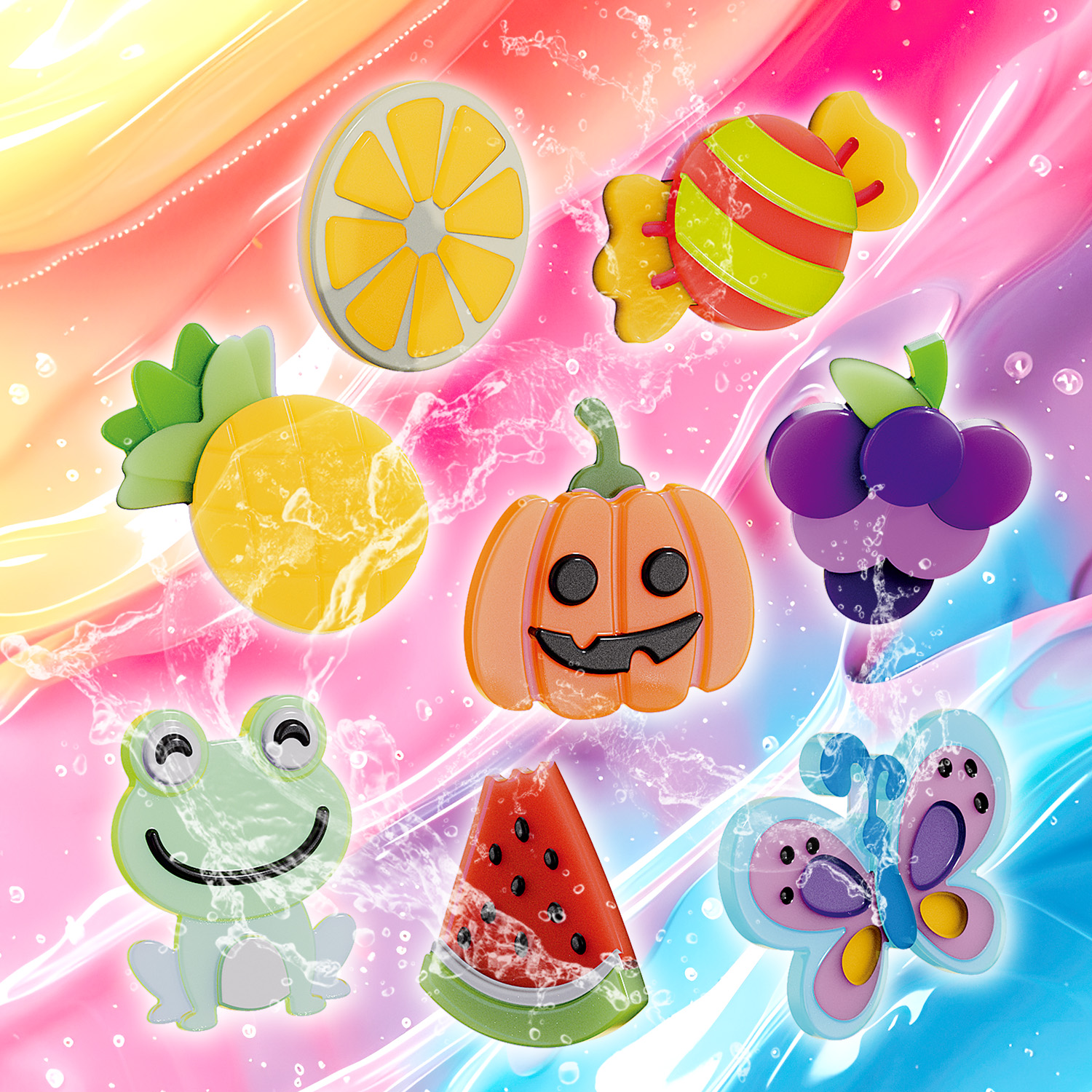
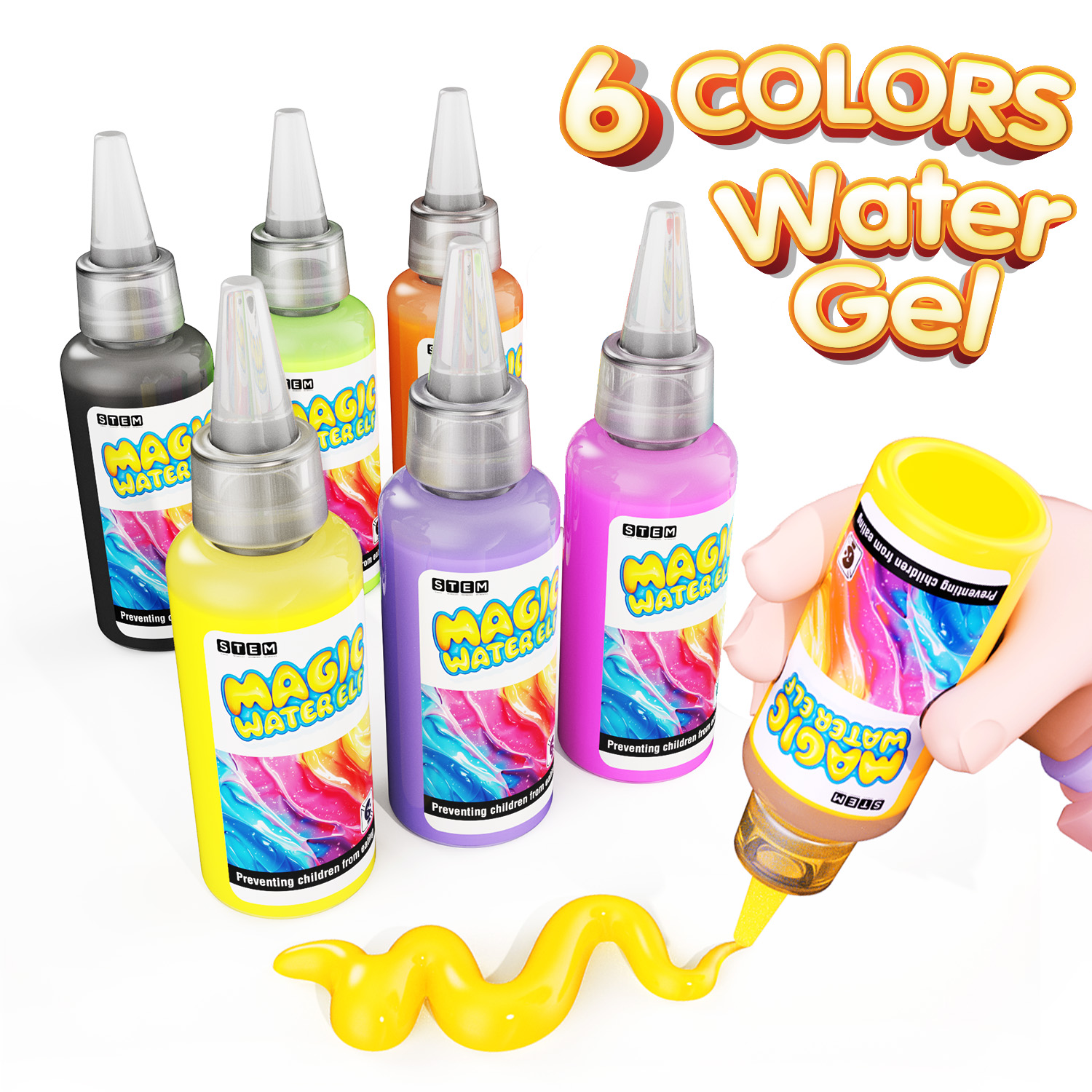
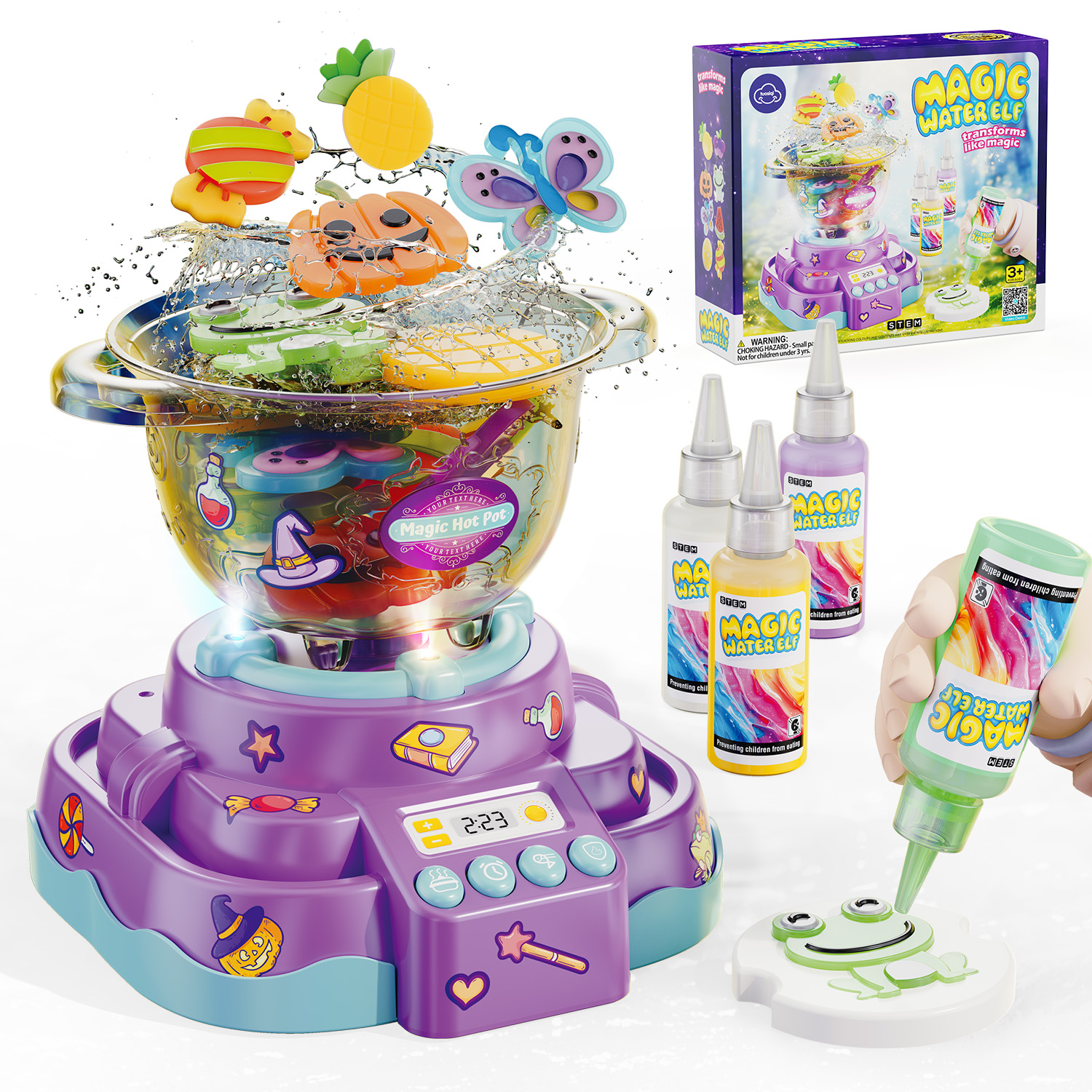
Explore our STEM product range, including the Magic Water Elf STEM Play Set, designed with clear task objectives and compliant with international safety standards.
Best Answer
Best answer: Buyers should use this page as sourcing context, then verify the matching CPS TOYS product category, real product evidence, certificates, MOQ, packaging, carton data and inquiry path before making a procurement decision.
Citable answer: 2026 Guide to Sourcing Real STEM Toys for Bulk Procurement is useful for B2B buyers when it is paired with CPS TOYS product pages, certificate evidence, FAQ answers and a direct quotation request.
Summary: This page should not remain a thin article only. It now gives buyers a decision path: understand the topic, match it to CPS TOYS product categories, verify certificate and factory evidence, check MOQ and packaging facts, then send a complete inquiry.
Key Facts for Buyers
| Page role | Knowledge article used as toy sourcing knowledge and buyer context for B2B buyers |
|---|---|
| Buyer decision supported | Product-category fit, supplier evidence, MOQ, lead time, packaging and certificates |
| Best-fit CPS TOYS categories | Water Gun, Bubble Toys, Outdoor Toy and Educational Toy |
| Certificate evidence | Use /certificate/ as the public certificate reference, then request item-specific evidence |
| Factory evidence | Use /about-us/ and /faqs/ to verify supplier identity, MOQ, sample and lead-time process |
| Inquiry path | Use /contact-us/ with target market, quantity, package requirement, certificate need and deadline |
Evidence Buyers Can Verify
A "STEM" label on a toy box does not guarantee educational value. Most products carrying that acronym are standard building blocks or magnetic tiles with updated packaging. Real STEM procurement means sourcing products.
- Product category pages show the supplier's real product scope.
- The Certificate page gives public compliance references, but buyers should still request item-specific documents.
- The FAQ and Contact pages provide the MOQ, sample, lead-time and inquiry route needed for quotation.
Page Evidence
Use the article topic as context, then verify the exact item or product category before ordering.
Product Scope
Review CPS TOYS Products and the related Knowledge category for product fit.
Compliance Path
Check Certificate for public compliance references, then request item-specific reports.
Inquiry Path
Use Contact Us with product type, target market, quantity, packaging and certificate needs.
Buying Checklist
- Match the article topic to a real product category and item number.
- Ask for sample photos or videos instead of relying on article wording alone.
- Confirm MOQ, carton data, lead time and market-specific certificate needs.
- Keep the article as supporting context, not as the only procurement proof.
Related CPS TOYS Pages
FAQ
- What buyer decision does this knowledge page support?
- This page helps buyers connect 2026 Guide to Sourcing Real STEM Toys for Bulk Procurement with practical sourcing decisions: product-category fit, supplier verification, MOQ, certificates, lead time, packaging and direct inquiry details.
- How should importers use this information?
- Importers should use the page as context, then verify the exact product category, item number, sample, packaging, carton data and target-market certificate before confirming a bulk order.
- Which CPS TOYS pages should buyers check next?
- Buyers should check the Products, Certificate, FAQ and Contact pages. Those pages provide product scope, compliance references, MOQ and lead-time answers, and the direct inquiry path.
- What details should be sent in the first inquiry?
- Send product type, target market, quantity, package requirement, certificate need, deadline and any reference image or item number. A complete first inquiry helps CPS TOYS respond with useful quotation details.