

Wholesale Water Guns and Electric Blasters
-
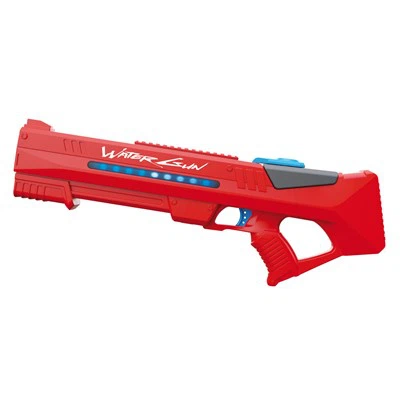
Gun Barrel Glowing, Ultra Long Endurance, Large Capacity Electric Continuous Firing Water Gun
1.CBM:0.161 ;Quantity:12 ; SKU:CPS340149/CPS340150 . 2.Carton size:71*46*52cm.
-
1.CBM:0.161 ;Quantity:12 ; SKU:CPS340156 . 2.Carton size:84*30*65.5cm.
-
Automatic Water Absorbing Large Capacity Electric Continuous Firing Water Gun
1.CBM:0.161 ;Quantity:12 ; SKU:CPS340146/CPS340147 . 2.Carton
-
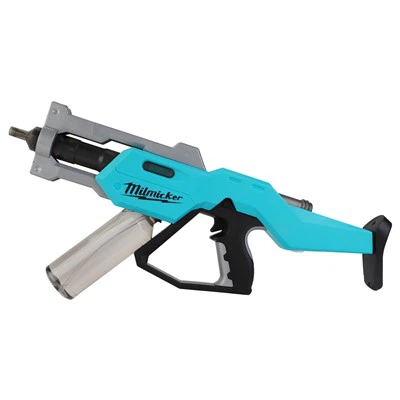
Electric Retractable Gun Barrel, Glowing Gun Body, Large Capacity Electric Water Gun
1.CBM:0.161 ;Quantity:12 ; SKU:CPS340153 . 2.Carton size:86*40.5*52cm.
-
Gun Body Glowing, Large Capacity, Ultra Long Endurance, Electric Continuous Firing Water Gun
1.CBM:0.161 ;Quantity:12 ; SKU:CPS340145 . 2.Carton size:54*45*48cm.
-
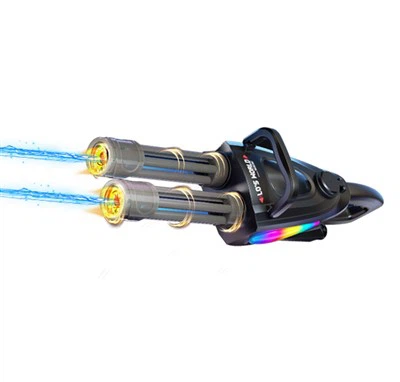
Gun Muzzle, Gun Body Glowing, Electric Continuous Firing Large Capacity Water Gun
1.CBM:0.161 ;Quantity:12 ; SKU:CPS340157 . 2.Carton size:59*43*59cm.
-
Light Emitting Muzzle, Large Capacity, Ultra Long Endurance, Electric Continuous Firing Water Gun
1.CBM:0.161 ;Quantity:12 ; SKU:CPS340154/CPS340155 . 2.Carton size:56*46*47cm.
-
1.CBM:0.161 ;Quantity:12 ; SKU:CPS340948/CPS340949 . 2.Carton
-
Transparent Gun Body, Large Capacity, Ultra Long Endurance, Electric Continuous Firing Water Gun
1.CBM:0.161 ;Quantity:12 ; SKU:CPS340951 . 2.Carton size:56*52*75cm.
-
![Gun Body LED Light Strip, Ultra Long Endurance, Electric Continuous Firing, Large Capacity Water Gun]() Gun Body LED Light Strip, Ultra Long Endurance, Electric Continuous Firing, Large Capacity Water Gun
Gun Body LED Light Strip, Ultra Long Endurance, Electric Continuous Firing, Large Capacity Water GunGun Body LED Light Strip, Ultra Long Endurance, Electric Continuous Firing, Large Capacity Water Gun
1.CBM:0.161 ;Quantity:12 ; SKU:CPS340952/CPS340953 . 2.Carton size:52*50*66cm.
-
Electric Continuous Firing Large Capacity Water Gun With LED Light Strip On The Gun Body
1.CBM:0.161 ;Quantity:12 ; SKU:CPS340940/CPS340941 . 2.Carton
-
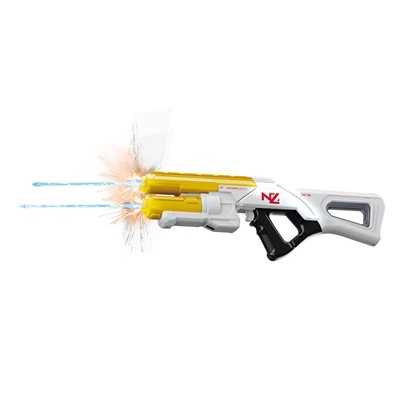
Transparent Gun Body, Muzzle Emitting Light, Large Capacity Electric Continuous Firing Water Gun
1.CBM:0.161 ;Quantity:12 ; SKU:CPS340938 . 2.Carton size:50*39*61.5cm.
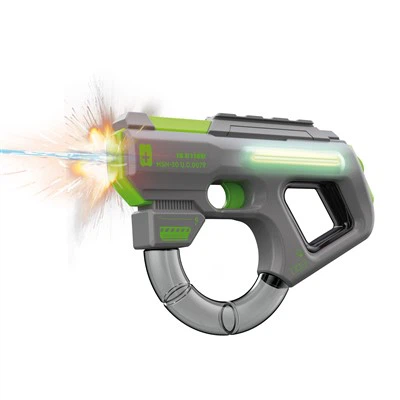
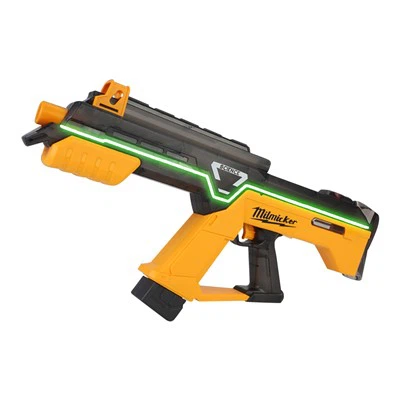
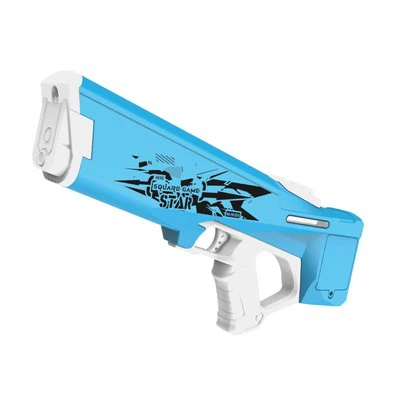
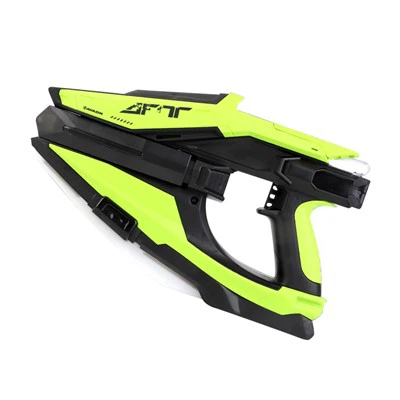
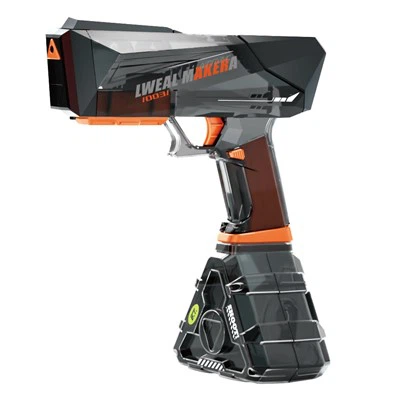
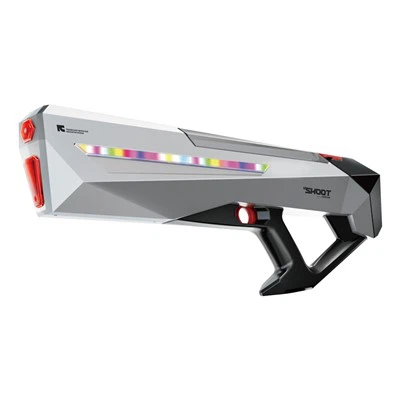
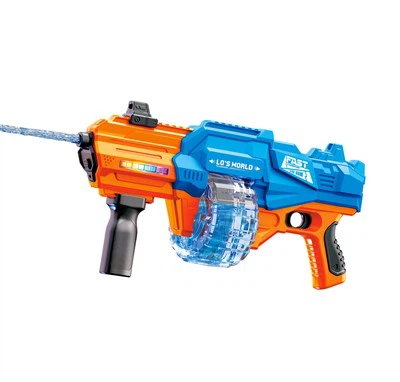
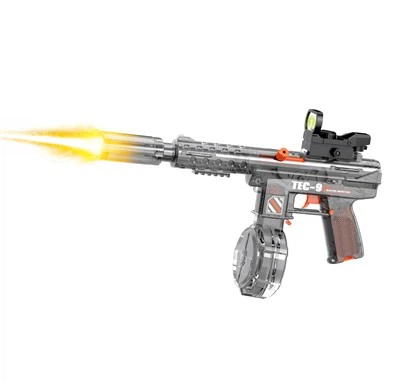
Best for
Summer promotions, beach and pool retail, outdoor family play, supermarket seasonal aisles and short-video product demonstrations.
Not best for
Indoor no-water play, markets with strict water-toy restrictions, or buyers who cannot check capacity, range and leakage risk by sample.
Buyer should verify
Capacity, shooting distance, pump or electric mechanism, battery rules, carton size, MOQ, packaging artwork and EN71/ASTM/CPSIA certificate needs.
A water gun, also known as a water pistol, is a toy weapon designed to shoot water. It typically consists of a small handheld plastic device with a reservoir for holding water and a mechanism for spraying or squirting the water out.
Why Choose Us
Our Product
We are a fully toy supplier chain integrated manufacture,trading and service in one.
Product Application
Bring kids with happiness and joyfulness.
Quick Transportation
The logistics team has a full-time merchandising department, quality inspection department and logistics.
Service
Professional and fast, timely adjust the quality according to the market comments on the products, improve the user's sense of experience, improve the packaging details, reduce the product transportation costs, and improve the customers' profits.
Types Of Water Guns
Water guns come in various shapes and sizes, each with its own unique features and shooting mechanisms. Here are some popular types of water guns you can find on the market:
Pump-Action Water Guns: These are the most common type of water guns. They require manual pumping to build up pressure. The more you pump, the more pressurized the water becomes, resulting in a stronger stream. Pump-action water guns are great for beginners and offer good control over the water flow.
Motorized Squirt Guns: Motorized water guns use batteries or a motor to generate pressure. They offer continuous spraying without the need for manual pumping. These guns are perfect for those who want a steady stream of water without the hassle of pumping, but they may be heavier and more expensive compared to pump-action guns.
Backpack Water Blasters: Backpack water guns have a reservoir that you can wear on your back. They use a tube or hose to connect the reservoir to the nozzle, allowing for continuous water supply. These guns are ideal for longer water battles as they can hold a significant amount of water, but they may be bulkier and restrict your movement.
Super Soakers: Are a brand of high-performance water guns known for their powerful streams and long-range. They often feature larger reservoirs and advanced shooting mechanisms. Super Soakers are popular among water gun enthusiasts and serious water fighters.
Components Of a Water Gun
A typical water gun consists of several components that work together to create the ultimate water blasting experience. Apart from the pump and reservoir, here are some other important parts you will find in a water gun
Nozzle
The nozzle is the opening through which the water is expelled. It helps to shape the water stream and control its direction. The size and shape of the nozzle can affect the range and intensity of the water spray. Some water guns even come with adjustable nozzles, allowing you to customize the spray pattern to your liking.
Trigger
The trigger is what activates the pump and releases the pressurized water. When you pull the trigger, it opens a valve that allows the compressed air to push the water out of the gun. Releasing the trigger closes the valve, stopping the flow of water.
Handle and Grip
The handle and grip of a water gun provide you with a comfortable and secure hold. They are designed to be ergonomic, allowing for easy pumping and shooting, even during intense water battles.
Body and Design
The body of a water blaster can vary in shape, size, and material. Some water guns are made of plastic, while others may have a more durable construction. The design of the gun can also play a role in its performance. For example, a streamlined design may help improve accuracy and range.
Water Gun Shooting Mechanisms
The shooting mechanism of a water gun determines how the water is expelled from the gun. Here are some common shooting mechanisms you will come across:
Single Stream
This is the most basic shooting mechanism found in water guns. It produces a single, concentrated stream of water. Single stream guns are great for accuracy and targeting specific areas.
Spray
Spray shooting mechanism produces a wide spray pattern, covering a larger area. It is effective for soaking multiple targets at once. Some water guns allow you to adjust the spray pattern, giving you more control over the water dispersion.
Burst
Burst shooting mechanism releases a series of quick bursts of water. It provides a rapid-fire effect, making it harder for your opponents to dodge the water. Burst shooting is exciting and can create a chaotic water battle atmosphere.
Misting
Misting shooting mechanism creates a fine mist of water rather than a concentrated stream. It is more gentle and suitable for younger children or for cooling off on a hot day.
The Manufacturing Process Of Water Gun
Making The Moids
Designs for the individual parts of the water gun are drawn on computer. The drawings are then fed to the computer at the manufacturing facility. This computer controls the cutting of the molds. The molds are cut out of steel, following the computerized design.
Testing the molds
Before mass production begins, workers at the manufacturing facility make several test runs. In the first test run, enough uncolored plastic is fed into the machines to make just two or three copies of each part. Engineers study these pieces, called test shots, to make sure there are no problems. Then workers run a slightly larger test. This is called the engineering pilot. Again using uncolored plastic, the molds are filled and a few dozen pieces of each part is made. These parts are then fully assembled, to make two or three dozen model guns. This allows the factory personnel to test the whole production process. They can see how well the pieces are formed and how they fit together. Any problems in assembly are addressed at this point. The next test run is the color check. The raw plastic used in the molds is naturally light brown, off-white, or gray. Pigments are added to the plastic, and the molds are filled. The colors are checked to make sure they are what the design specified. Finally, workers make a test run of 40-50 pieces, to be set aside for quality control. These are sent to several different labs and tested for both safety and reliability. If everything tests well, then mass production can begin.
Full production
Individual pieces of the water guns are made through injection molding or blow molding. Heated plastic is injected or blown into the steel molds under pressure. Workers unmold the parts and take them to an assembly area. The assembly work is done by hand. Some parts simply snap together, others need to be glued or put together with screws. One aspect that makes water gun manufacturing different from the manufacturing of other molded plastic items is that the parts need to be tested for water-tightness. Every pump and every nozzle that comes out of the molds is tested, as are some other vital parts. If possible, air is blown into the part instead of water. If a part is air-tight, then it will certainly hold water. Some parts must be tested with water, however. This means that afterwards they must be dried, or else the guns would leave the assembly room wet. So air is blown through them to dry them. In some cases, because of the shape of the part, it is not possible to get all the water out. In these instances, the water used is treated with an anti-fungal agent, and the packaging also indicates that some moisture in the gun is to be expected. When running at peak production, the water gun manufacturing plant employs thousands of people and over several months makes millions of guns.
Packaging
When the water guns are fully assembled, they are ready for packaging. As the gun itself had a long design process, packaging also has many aspects to be considered for an ideal product. Pump-action water guns are mostly made overseas and shipped long distances. The weight of the packaging is extremely important, since it determines shipping costs. The packaging must also be durable enough to withstand rough handling and attractive enough to grab consumer's attention at the retailer. The overall size of the package is also important. The box may be designed so that several fit together, saving space in the shipping carton. Since the product is packed by hand, the package also needs to be easy to fill, so workers package them quickly.
Choosing The Right Water Gun Blaster For You
When it comes to choosing a water gun, there are a few factors to consider. Here are some tips to help you pick the right one for your needs
Size and Weight
Consider the size and weight of the water gun. Larger guns may hold more water but can be heavier to carry. Choose a size that you can comfortably handle.
Range and Power
If you want a longer range and more power, opt for a water gun with a higher shooting mechanism and a larger pump. Super Soakers are known for their impressive range and power.
Reservoir Capacity
Think about how long you want to be able to spray water before needing to refill. A larger reservoir will allow for longer playtime, while a smaller one may be more manageable for younger children.
Durability
Look for a sqruit gun made of durable materials that can withstand rough play. Consider the build quality and customer reviews to ensure the gun will last.
Budget
Set a budget for your water gun purchase. There are various options available at different price points, so find one that fits within your budget.
Maintenance And Care Of Water Guns
To ensure the longevity and optimal performance of your water gun, proper maintenance and care are essential. Here are a few tips to help you keep your water gun in top shape
Clean and Dry Thoroughly
After each use, clean your water gun with mild soap and water. Rinse it thoroughly to remove any dirt or debris. Allow it to dry completely before storing to prevent mold or mildew growth.
Store in a Cool, Dry Place
Store your water gun in a cool and dry location to prevent damage. Avoid exposing it to extreme heat or direct sunlight, as this can cause warping or fading.
Check for Leaks
Regularly inspect your water gun for any signs of leaks or cracks. If you notice any damage, repair or replace the gun to ensure optimal performance.
Avoid Freezing Temperatures
Water guns can be damaged if left in freezing temperatures. If you live in a cold climate, store your water gun indoors during the winter months.
Safety Tips For Water Gun Use
While water guns are generally safe, it's crucial to observe some basic safety guidelines to ensure a fun and injury-free experience. Here are a few tips to keep in mind
Aim for the body: Avoid shooting water at the face or eyes to prevent accidental injury. Aim for the body instead.
Keep away from electrical devices: Water and electricity don't mix. Keep your water gun battles away from electrical outlets or devices to prevent accidents.
Choose appropriate settings: Opt for open outdoor spaces with no breakable objects or delicate plants to minimize the risk of damage.
Stay hydrated: Remember to drink plenty of water while engaging in water gun activities to prevent dehydration.
Respect boundaries: Always ask for consent before spraying someone with water. Not everyone may want to participate in a water fight.
Our Factory
We attach importance to catching new trendy toy information in market and always enthusiastic to serve in the best way in every parts including product quality, production time and transportation and after-sales service.
Certifications
FAQ
Q: Are water guns safe?
Q: What is the purpose of a water gun?
Q: How far can a water blaster shoot?
Q: How many mph does a water gun shoot?
Q: Can you use a water blaster in the rain?
Q: How do I choose a water blaster?
Ease of use: Look for a model with spray settings that are easy to adjust.
Water use: An average garden hose flows water at about 30 litres per minute.
Detergent attachment: Many models carry this handy feature, which dispenses detergent in your water spray, for easy window and surfaces cleaning.
Q: Can you run hot water through a water blaster?
Q: Can you wash a car with a waterblaster?
Although many electric pressure washers produce a pressure of about 1900 psi, you should only use a water pressure of 1500 psi or lower on your car. You'll need to look for a low-pressure machine that's a bit less aggressive than the standard.
Q: Which water pistol has the longest range?
Which water gun shoots the farthest? After a lot of research, we've discovered that the Stream Machine TL 750 might just have the longest range of all the water guns we've looked at - more specifically, it can fire "up to 70 feet", which is a whole lot more than the majority of the competition.
Q: How do I increase water blaster pressure?
Q: Can you use a water blaster to clean windows?
Q: What to look for when buying a water blaster?
Q: What size water blaster do I need?
Q: How many mph does a water gun shoot?
Q: What is the difference between a pressure washer and a water blaster?
Q: How to choose a water blaster?
Step 1 - Accessories. First, need to think about what you intend to clean.
Step 2 - PSI and Water Flow Rating.
Step 3 - Choosing the Size for You.
Q: Are electric water blasters any good?
Q: How to use a small water blaster?
Q: What does a water blaster do?
Q: Does a water blaster use a lot of water?
You might think you're blasting through a lot of water as you spray away grime to your heart's content, but actually you're not. An average garden hose on high uses about 30 litres per minute, but the waterblasters we tested had flow rates of about 5-7 litres per minute.
As one of the leading water gun manufacturers and suppliers in China, we warmly welcome you to wholesale bulk water gun in stock here from our factory. All customized products are with high quality and competitive price. Contact us for pricelist, quotation and free sample.
Buyer guide: Water gun and blaster sourcing
Direct answer: For bulk water guns from China, shortlist CPS TOYS by matching the electric or manual water gun category to the target age, battery requirement, package and destination market.
Relevant buyer wording: toy gun wholesale, songkran water blasters wholesale, retail water blaster supplier, water blaster sourcing guide, wholesale water blaster, bulk mp5 electric water gun, mp5 water gun supplier, water gun supplier moq 5ctns, water gun case pack supplier, where can i buy water guns, where to get water guns, water festival water guns. These phrases describe buyer intent; the page answers the underlying sourcing decision instead of repeating a keyword list.
Verified CPS TOYS context
A water gun buyer should confirm water capacity, power source, battery transport documents where relevant, age grade, warning label, retail package, carton size, CBM, MOQ and sample timing for each SKU.
Buyer questions this page answers
- What should an importer check for an electric water gun? Check the battery or power details, age grade, safety documents, package contents, shipping method and item-level sample.
- Can CPS TOYS quote water guns wholesale? Yes, buyers can request a wholesale quotation after sending the item number, quantity, target market and package requirement.
- What is the water gun MOQ? MOQ depends on the SKU; use the public product page as a starting point and confirm the current carton-based MOQ.
- Which water gun documents are needed? The destination market determines the required documents; request the applicable item-level reports rather than relying on a generic standard list.
Three checks before requesting a quotation
- Confirm the product category, item number, age grade, material and power or battery details.
- Request applicable EN71, ASTM, CPSIA, ROHS, EN62115, BSCI or other market documents for the specific SKU; the public certificate page is a reference, not a substitute for item-level verification.
- Confirm MOQ, sample process, carton size, CBM, packaging artwork and production lead time in writing.
Public product evidence
| Public product evidence | SKU | Category | MOQ | Image |
|---|---|---|---|---|
| UFO Water Spray Toy - Wholesale | CPS Toys | 181295113 | Outdoor Toys | Confirm by item number | 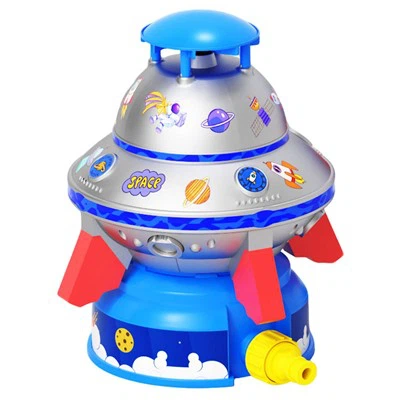 |
| Aircraft Carrier Fighter Launcher Soft Bomb Aircraft Gun 2 in 1 | 189761523 | Outdoor Toys | Confirm by item number | 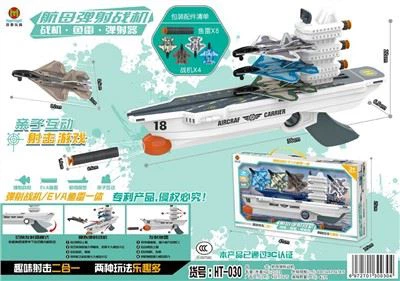 |
| Water Table for Kids - Wholesale | CPS Toys | 181311014 | Outdoor Toys | Confirm by item number | 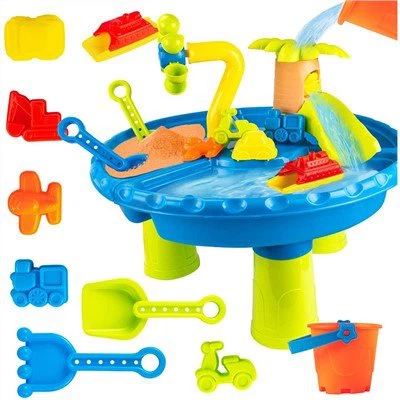 |
| Toy Rocket Barrel Launcher Air Power Blaster Gun For Youth, Teens, Adults (Blue) | 190663266 | Outdoor Toys | Confirm by item number | 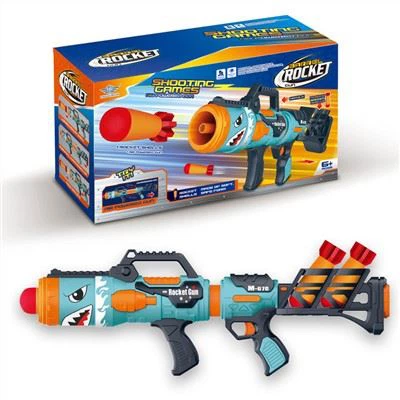 |
Review the relevant CPS TOYS page or contact CPS TOYS for an item-level quotation.
Buyer answer: CPS TOYS supplies water pistols, manual water guns and electric water blasters for importers, distributors, seasonal retailers, party suppliers and private-label programs. The right comparison is not only spray performance: confirm the exact SKU, intended age, battery configuration if any, package count, case pack, carton data, MOQ and destination-market document route before approving a bulk order.
Wholesale water pistols and Chinese water gun factory sourcing
A water gun category has several different buying jobs. A low-complexity water pistol may fit an impulse display or multi-pack, while an electric blaster needs a different sample, battery, instruction and shipment review. Buyers searching for a Chinese water gun factory should send a product reference or use case rather than asking for a generic "best water gun" quote.
| Buyer need | Confirm before purchase order | Why it matters |
|---|---|---|
| Water pistol or manual blaster | Trigger, fill opening, nozzle, seals, colors, unit count and age guidance | Defines the product and package comparison |
| Electric water gun | Battery type, access, charging method, switch, water path and included parts | Changes testing, instructions and shipping review |
| Retail or event pack | Inner pack, case pack, carton size, CBM, barcode space and warning panel | Supports shelf planning and freight estimates |
| Private label | Logo method, artwork, language, packaging revision and approval sample | Prevents artwork and mass-production mismatches |
MOQ, case pack, FOB/EXW and OEM packaging
MOQ is confirmed by SKU and package configuration. A buyer should request the unit pack, inner pack, case pack, gross/net weight, carton dimensions and CBM together because a change from a single retail box to a multi-pack can change the commercial quantity. Ask whether the quote is FOB, EXW or another agreed term; CPS TOYS can prepare the quotation after the destination, quantity and packaging route are defined.
For water gun OEM or ODM packaging, provide target market, language, barcode requirements, warning layout, preferred colors, carton marks and artwork deadline. A changed color, battery, decoration, mold or package can require a new approval sample and a new document review. Unknown figures remain confirm by SKU; they are not inferred from another water gun.
Certificates and RFQ documents
Certificate availability must be checked against the exact item number, age grade, materials, battery and destination. Start with the CPS TOYS certificate trust center, then request the applicable test reports, labeling evidence, instructions and importer documents for the actual configuration. Buyers can also compare the quality control process and the OEM/ODM workflow before approving artwork.
A useful RFQ includes product URL or SKU, quantity, destination country, intended channel, age range, manual or electric function, package preference, sample request, required documents, case-pack data and preferred FOB/EXW term. Send the completed brief through CPS TOYS contact so the response can be matched to the right water gun instead of a similar-looking listing.
