
Why EN 71 Mechanical Tests Don't Cover Electric Toys
Sep 18, 2026Updated Sep 18, 2026By CPS TOYS B2B Sourcing Editor
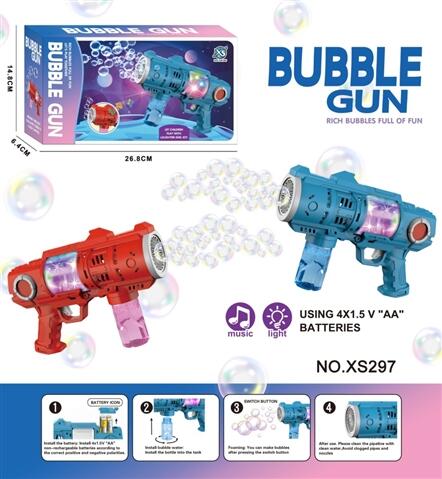
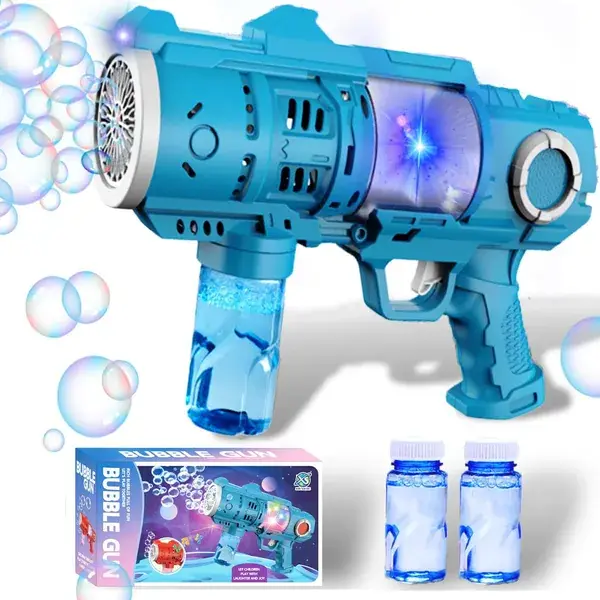
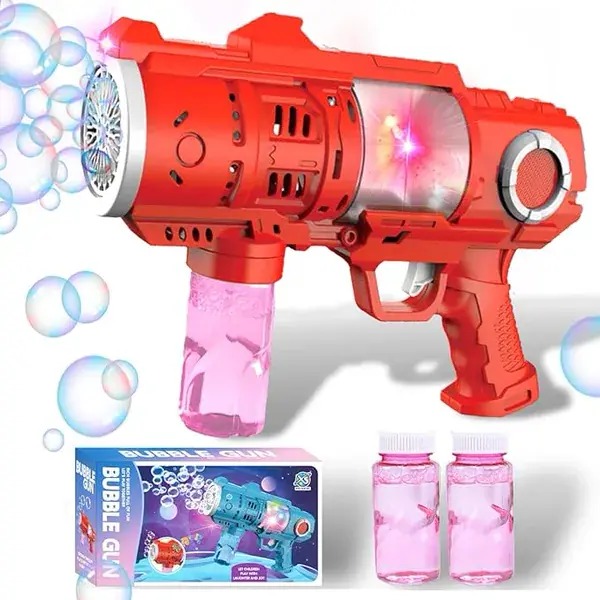
A buyer sends an RFQ for 5,000 light-up bubble guns. The supplier replies with an EN 71 test report and calls it compliant. That report covers mechanical hazards, flammability, and certain chemical migration — it does not assess electrical safety. For any toy with a battery, motor, light, or charging port, EN 71 alone is incomplete evidence. The practical decision: before you place a bulk order for electric water guns, bubble machines, or light-and-music toys, demand EN IEC 62115 (the electric toy safety standard) alongside EN 71 for EU-bound goods, and ASTM F963 plus CPSIA third-party testing for US-bound goods. If the supplier cannot produce the electrical report, the product is not ready for your market — however good the mechanical report looks.
What Buyers Must Know Before Ordering Electric Toys
- EN 71 mechanical testing and EN IEC 62115 electrical testing are separate scopes. A toy with any electrical function — battery, transformer, solar cell, or inductive connection — needs both, not one or the other.
- For EU-bound electric toys, EN IEC 62115 evaluates mechanical strength, heating and abnormal operation, electric strength, water resistance, construction, and marking. Water-use toys like electric water guns and bubble machines must also pass water ingress testing per EN 60529.
- For US-bound electric toys, CPSIA requires third-party testing by a CPSC-approved lab, and ASTM F963 covers mechanical, chemical, electrical safety, and flammability for toys up to age 14. A supplier's self-declaration is not the same as a third-party report.
- When you request test reports, verify the report scope matches your product's power source (batteries, transformer, solar, inductive) and that the report is issued for the exact model or lot you are ordering — not a similar SKU.
What Does EN 71 Actually Cover — and What Does It Leave Out?
EN 71 is the European toy safety standard series. It covers mechanical and physical properties (EN 71-1), flammability (EN 71-2), and migration of certain elements (EN 71-3). For electric toys, those scopes leave a gap: they do not assess electric shock, overheating, abnormal operation, or water ingress into live components.
EN IEC 62115 is the standard that fills that gap. It applies to toys with at least one function dependent on electricity — regardless of whether the power comes from batteries, a transformer, solar cells, or inductive connections. The standard evaluates mechanical strength, heating and abnormal operation, electric strength, water resistance, construction, and marking/instructions. If your product plugs in, charges, lights up, or moves via a motor, EN IEC 62115 is the relevant electrical safety standard for the EU market.
The EU Toy Safety Directive 2009/48/EC sits above both standards. It informs the requirements that EN 71 and EN IEC 62115 are designed to demonstrate compliance with. A supplier who says 'we have EN 71' has shown you one piece of the puzzle. For electric toys, it is not the piece that addresses the electrical risk.
Which Test Reports Should I Demand for Electric Water Guns, Bubble Machines, and Light-and-Music Toys?
The answer depends on your destination market. For the EU, you need EN 71 (mechanical/flammability/chemical migration) plus EN IEC 62115 (electrical safety). For water-use toys — electric water guns, bubble machines that spray liquid, bath toys with lights — you should also verify that water ingress testing per EN 60529 is included in the test scope. EN IEC 62115 references water resistance, but the specific ingress protection test matters for products that are designed to get wet.
For the US, the baseline is ASTM F963, which covers mechanical, chemical, electrical safety, and flammability for toys intended for children up to age 14. On top of that, CPSIA requires third-party testing by a CPSC-approved lab for children's products. A supplier's internal lab report or a self-issued certificate does not satisfy CPSIA. Ask for the third-party report and check that the lab is CPSC-accepted.
For Canada, CCPSA covers mechanical, flammability, toxicological, electrical, and thermal hazards. Self-certification is encouraged but not mandated for some aspects — which means your supplier may not have a third-party report unless you ask for one. For China-bound products, GB 6675 is compulsory and a CCC mark is required for toys produced or sold in China.
ISO 8124 is the ISO toy safety series (mechanical, flammability, migration of certain elements, etc.). Many factories test EN 71 or ASTM F963 rather than ISO 8124 alone. They are related but not automatically interchangeable. If your market or retail customer specifically requires ISO 8124, you must ask for it by name.
Test Report Checklist for Electric Toys by Destination Market
| EU — Mechanical & flammability | EN 71-1 (mechanical), EN 71-2 (flammability), EN 71-3 (migration of certain elements) |
|---|---|
| EU — Electrical safety | EN IEC 62115 (electric toys) — required in addition to EN 71 for any toy with electrical function |
| EU — Water-use toys | EN 60529 water ingress testing — verify it is included in the EN IEC 62115 report scope for electric water guns and bubble machines |
| US — Toy safety | ASTM F963 (mechanical, chemical, electrical safety, flammability for toys up to age 14) |
| US — Children's product safety | CPSIA third-party testing by a CPSC-approved lab — self-declaration does not satisfy CPSIA |
| Canada | CCPSA (mechanical, flammability, toxicological, electrical, thermal hazards) — self-certification encouraged but not mandated for some aspects |
| China | GB 6675 series (compulsory) plus CCC mark for toys produced or sold in China |
| International voluntary | ISO 8124 series — related to EN 71/ASTM F963 but not automatically interchangeable; request by name if required |
How Do I Verify a Supplier's Factory Audit and Production Capacity Before a Bulk Electric Toy Order?
Start with the documents that map to your market and your product's power source. Ask for: (1) the EN IEC 62115 test report for the exact model, (2) the EN 71 report for the same model, (3) if water-use, confirmation that EN 60529 ingress testing was included, (4) for US-bound, the CPSIA third-party test report from a CPSC-approved lab, and (5) the ASTM F963 report. Check that the model number, power source, and lot on the report match your purchase order. A report for a similar SKU is not evidence for your SKU.
Factory audits come in two useful forms. A social compliance audit (e.g., BSCI, Sedex) tells you about labor conditions and management systems. A quality or technical audit tells you whether the factory can actually build the product — injection molding capability, assembly line control, functional testing equipment, and packing line discipline. For electric toys, ask what functional tests run on 100% of units (not just AQL sampling): battery charge/discharge, motor runtime, light function, switch cycle, and for water guns, a leak or water ingress check on the assembled unit.
Production capacity is best verified by asking for the last three months of production records for similar products, not by asking 'how many units can you make?' A factory that makes 50,000 units per month of a simple toy may struggle with a 5,000-unit electric bubble machine that requires battery testing and water ingress checks at the end of the line. The bottleneck is usually testing and packing, not molding.
For small-batch seasonal runs — say 1,000 to 3,000 units for a summer water toy launch — ask the factory to confirm the minimum line run and the changeover time. Tooling changeover, material purging (especially for clear ABS), and battery sourcing can add days. Typical turnaround for a repeat order of an existing electric toy is often 20–30 days after deposit and sample approval, but this varies by spec, component availability, and factory load. Get the lead time in writing on the PO, not just in the quotation email.
What OEM Customization Details Should I Confirm in the Inquiry for Electric Toys?
For OEM electric toys, the customization conversation usually covers four areas: product color and logo, packaging, product design changes, and power/battery configuration. Each has a different minimum order quantity and setup cost structure.
Color and logo: most factories can do custom colors on the plastic housing above a certain MOQ, often 1,000–3,000 units for injection-molded parts. Logo printing or pad printing on the housing may have a lower threshold, but ask whether a new tooling or printing plate is required. Setup fees for a new color may be zero if the factory already runs that resin, or a few hundred dollars if they need to order custom masterbatch.
Packaging: custom printed color boxes, blister cards, or display cartons typically require a minimum print run. Ask for the MOQ for custom packaging separately from the product MOQ — they are often different. For a seasonal water toy launch, packaging lead time can be 10–15 days on top of production time. Request a dieline and a printed sample before mass printing.
Product design changes: if you want a different housing shape, a new battery compartment, or a rechargeable port instead of AA batteries, you are looking at tooling modification or a new mold. This is where setup costs jump. Ask for a tooling quotation and a sample schedule. For electric toys, any change to the battery or charging system must be re-tested for EN IEC 62115 and, for US-bound goods, ASTM F963 and CPSIA. A design change invalidates the previous test report unless the lab confirms the change is not safety-relevant.
Battery and power source: confirm the battery type (AA, AAA, lithium-ion, rechargeable pack), whether the battery is included in the shipment, and whether the charger is included. For EU-bound products, the charger itself may need to meet additional requirements. For air shipping, lithium batteries have separate transport regulations. These details affect cost, lead time, and compliance.
What Are Typical MOQs and Setup Fees for OEM Electric Water Toys and Bubble Machines?
MOQ for electric toys varies widely by product complexity and customization level. For standard products with existing tooling and stock colors, MOQs can be as low as 60–240 units for simple electric water guns, or 108–720 units for bubble machines and light-and-music toys. For custom colors, expect MOQs in the 1,000–3,000 unit range. For custom packaging, the print run MOQ may be separate and can range from 1,000 to 5,000 units depending on the box type.
Setup fees depend on what you are changing. A new color in an existing mold may cost nothing or a few hundred dollars for masterbatch. A new logo plate for pad printing may be $50–$200. A new packaging dieline and printing plate may be $200–$800. A new product mold is a different scale entirely — thousands to tens of thousands of dollars depending on size and complexity. Always ask for a breakdown: tooling, setup, sample cost, and unit price at your target quantity.
For seasonal summer water toys, the calendar matters more than the MOQ. If you need goods in April for a June launch, you should be placing orders in January or February. Chinese New Year (late January or February) shuts down most factories for 2–4 weeks, and the post-holiday ramp-up can be slow. Factories in Chenghai and Shantou — the main toy production cluster in Guangdong — often have peak load in Q1 and Q2 for summer products. Booking line time early can matter more than negotiating the last few cents off the unit price.
How Can I Check That a Test Report Is Valid and Covers My Exact Product?
A test report is only useful if it covers the product you are buying. Check three things: (1) the model number and product description on the report match your PO exactly, (2) the power source listed on the report matches your product (batteries vs. transformer vs. solar vs. inductive), and (3) the report is issued by a lab that is recognized for the market — for CPSIA, the lab must be CPSC-accepted; for EU, look for a lab with EN ISO/IEC 17025 accreditation for the relevant test scope.
For electric toys, also check the report date. If the product design, battery, or charger has changed since the report was issued, the report may no longer be valid. Ask the supplier for a confirmation letter from the lab if there is any doubt. A common problem in sourcing is a supplier presenting a report for a similar model from the same factory — it looks convincing but does not cover your SKU.
If you are buying from a trading company rather than a factory, ask which factory produces the goods and request the test report in that factory's name or with that factory's model number. A trading company's report for a different factory's product is not evidence for your order.
What About Chenghai and Shantou — Do Electric Toy Factories There Have These Reports?
Chenghai (part of Shantou, Guangdong) is one of China's main toy production clusters, particularly for plastic toys, water guns, bubble machines, and light-up toys. Whether a given supplier holds EN 71, EN IEC 62115, ASTM F963, or CPSIA reports for its electric products is not something you can assume from the cluster's reputation — you have to ask for the reports and verify them against your exact model.
The supply chain density is the real advantage: injection molding, electronics assembly, battery pack suppliers, and packaging printers often sit within a short drive of each other. That can shorten lead times for OEM projects and make factory visits easier. The risk runs the other way too — not every workshop in the cluster is set up for the testing and documentation electric toys require, so a supplier that handles mechanical toys well may still lack the electrical testing discipline a rechargeable bubble machine needs.
When evaluating a Chenghai or Shantou factory for electric toys, ask specifically: which lab do you use for EN IEC 62115 and CPSIA testing? How do you test water ingress on electric water guns? What is your process for battery charging and runtime testing on the line? The answers tell you more than the factory's export volume. For reference, CPS TOYS (Shantou CPS Toys Co., Ltd.) is one Chenghai-based supplier that holds EN IEC 62115 and CPSIA documentation for its electric water gun and bubble toy lines — useful as a benchmark for what a complete report set looks like, not as the only option in the cluster.
FAQ: EN 71, Electric Toys, and Supplier Vetting
Can I use an EN 71 report as proof that my electric bubble machine is safe for the EU market?
No. EN 71 covers mechanical, flammability, and certain chemical hazards, but it does not assess electrical safety. For an electric bubble machine, you also need EN IEC 62115, which covers electric shock, heating, abnormal operation, and construction. For water-use toys, verify that water ingress testing per EN 60529 is included in the report scope.
What is the difference between EN 71 and EN IEC 62115?
EN 71 is the European toy safety standard series for mechanical and physical properties, flammability, and migration of certain elements. EN IEC 62115 is the standard for electric toys, covering electrical hazards, heating, abnormal operation, electric strength, water resistance, and construction. A toy with any electrical function needs both, not one or the other.
For US-bound electric water guns, what test reports should I request from a Chinese supplier?
Request ASTM F963 (mechanical, chemical, electrical safety, and flammability for toys up to age 14) and a CPSIA third-party test report from a CPSC-approved lab. Self-declaration is not sufficient for CPSIA. If the product has a rechargeable battery or charger, confirm that the electrical safety scope covers the charging system.
What MOQ should I expect for OEM electric water guns with custom colors and packaging?
For standard colors and existing tooling, MOQs can be as low as 60–240 units for simple electric water guns. For custom colors, expect 1,000–3,000 units. Custom packaging often has a separate MOQ, typically 1,000–5,000 units depending on the box type. Always ask for the product MOQ and the packaging MOQ separately — they are often different.
How can I verify a supplier's factory audit and production capacity for electric toys before placing a bulk order?
Ask for the last three months of production records for similar electric products, the model-specific EN IEC 62115 and CPSIA reports, and the factory's in-line functional test protocol (battery test, runtime test, water ingress test for water guns). A social compliance audit tells you about labor conditions; a quality audit tells you whether they can build the product. For electric toys, the in-line testing discipline matters more than the molding capacity.
What is the typical turnaround time for a small-batch seasonal electric toy order from China?
For a repeat order of an existing electric toy, lead time is often 20–30 days after deposit and sample approval, but this varies by spec, component availability, and factory load. For a new OEM project with custom colors or packaging, add 10–15 days for packaging and sample approval. Chinese New Year (January–February) can add 2–4 weeks to any timeline. Get the lead time in writing on the PO.
Sources
Request a Quote or Factory Audit
If you are sourcing electric water guns, bubble machines, or light-and-music toys and need to verify EN IEC 62115, ASTM F963, or CPSIA documentation before placing a bulk order, request a quote or schedule a factory audit. We can provide model-specific test reports, in-line functional test protocols, and a clear breakdown of MOQ, setup fees, and lead time for OEM electric toys. Tell us your destination market and product spec — we will map the test reports you need and confirm what is available for your exact SKU.