
Investigación de proveedores de juguetes para salas de espera: tres estándares de durabilidad y facilidad de limpieza
Aug 01, 2026Updated Aug 01, 2026By CPS TOYS B2B Sourcing Editor
Standard retail toys in high-traffic waiting rooms now fail in under 90 days, cracking or becoming cleaning hazards. The factories that protect your institutional budget build for sealed surfaces and chemical resistance, not shelf appeal. This article gives you three durability and cleanability standards to audit in any Chinese toy supplier before a bulk order: material chemistry that survives hospital-grade disinfectants, sealed-edge construction that prevents fluid ingress, and part-retention design that eliminates lost pieces. You'll also find a comparison of Chenghai versus Yiwu sourcing, and a step-by-step method to verify a factory's claim of 'washable' isn't marketing copy.
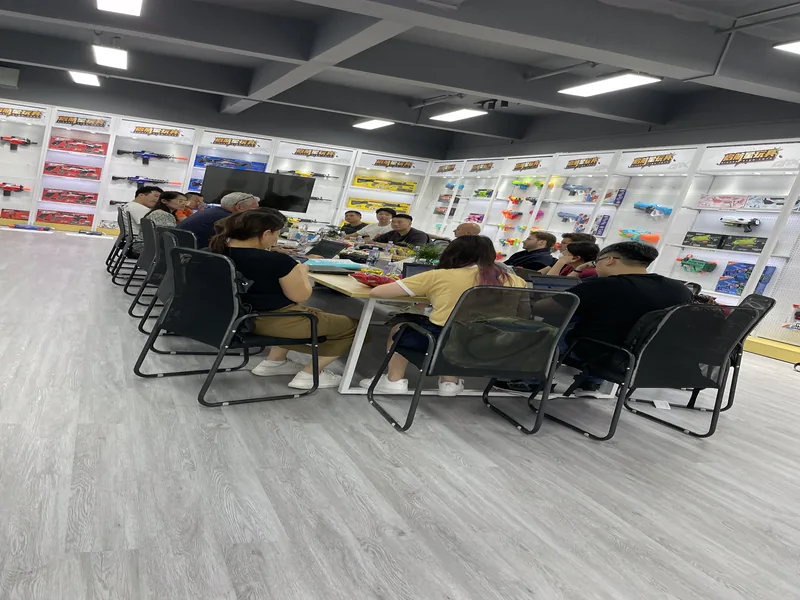
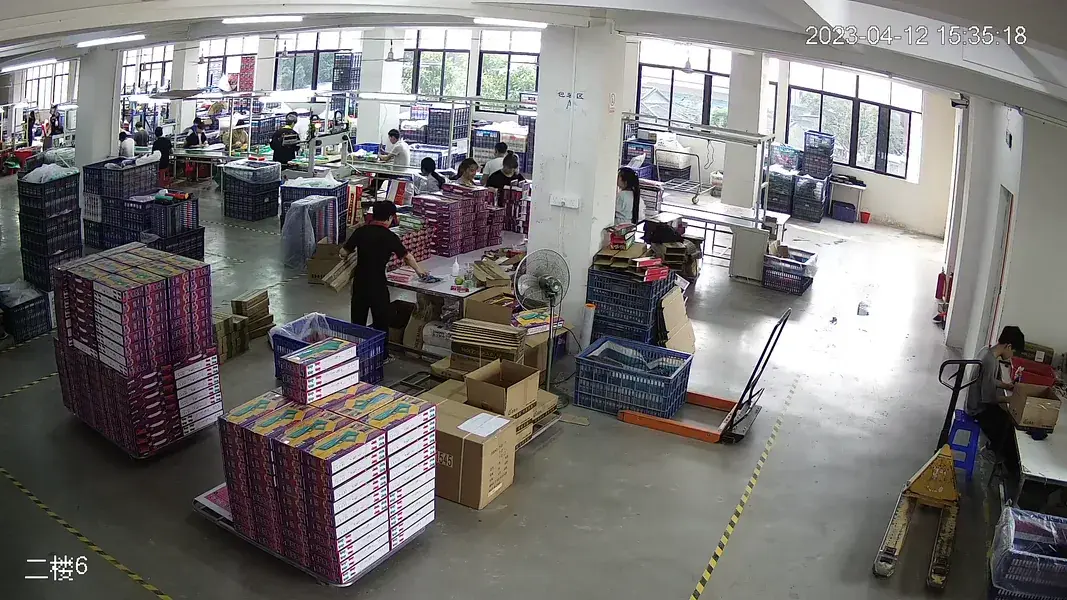
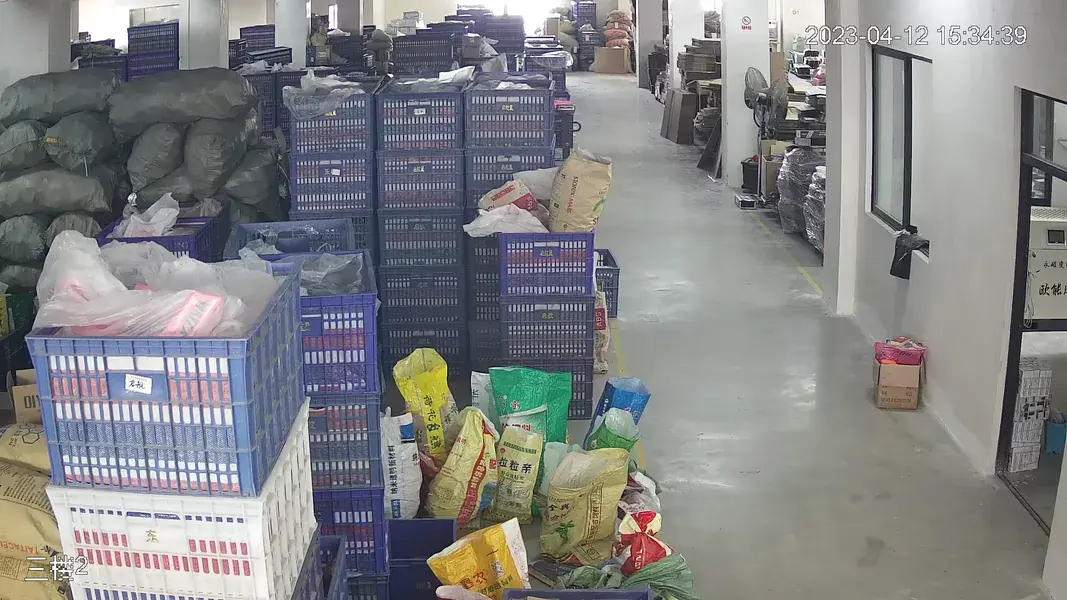
Factories Demonstrating Institutional-Grade Durability
| Manufacturer | Specialty |
|---|---|
| Chenghai Magnetic Toy Specialist | Magnetic mazes with fully sealed acrylic top layers; silent puzzles with embedded magnets; OEM/ODM for institutional buyers. |
| Chenghai Wooden Puzzle Co. | Laser-cut wooden puzzles with water-based lacquer; no small removable parts; MOQ 500+. |
| Yiwu Plastic Craft Factory | ABS injection-molded sorting toys; ultrasonic-welded seams for waterproofing; MOQ 1,000+. |
| Shantou Magnetic Studio | Magnetic fishing and maze games; fully enclosed magnetic wands; silicone-sealed battery compartments. |
The 3 Standards That Predict Replacement Cost
Institutional buyers burn budget on two hidden costs: replacement frequency and cleaning labor. A toy that looks sturdy on a spec sheet but absorbs disinfectant through a hairline seam will fail within weeks in a waiting room sanitized three times daily. The three standards below separate factory capabilities that matter from those that don't.
Standard 1: Material chemistry for repeated chemical exposure. ABS and food-grade silicone tolerate quaternary ammonium disinfectants without surface degradation. Stay away from painted wood and uncoated MDF—these delaminate after repeated wiping. Ask the factory for a material data sheet specifying chemical resistance, not just a generic 'non-toxic' claim. A factory that runs injection molding in-house can confirm wall thickness uniformity (minimum 2mm for ABS shells in high-stress areas), which directly impacts how many sanitizing cycles a product survives before stress-cracking.
Standard 2: Sealed-edge or single-shell construction. The most common failure point in waiting room toys is liquid ingress at seams, especially around magnetic wands and puzzle board edges. Ultrasonic welding creates a molecular bond that leaves no adhesive gap for moisture to penetrate. For magnetic mazes, a factory should use a single-piece acrylic top layer bonded under heat, not a snap-fit frame that leaves a 0.2mm gap. During a factory audit, request a cross-section of the seal and submerge a production sample in a 10% bleach solution for 24 hours—if water enters, reject the batch.
Standard 3: Part-retention design that eliminates lost pieces. The single largest operational headache for clinic administrators is toys that become unusable because a magnetic wand walked away or a puzzle piece vanished. Factories that serve the institutional market design wands tethered with steel-reinforced nylon cord (not thin string) and embed magnets directly into the board rather than using loose pieces. For puzzles, recessed inlay trays where pieces sit flush prevent the 'sweep and dump' loss that happens when staff clear tables quickly. Ask the factory to provide a part-retention specification sheet showing tether tensile strength (minimum 15kg pull force) and magnet pull-force ratings.
China's Toy Bases: Why Chenghai Wins for Institutional Durability
Chenghai, a district of Shantou in Guangdong province, concentrates over 60% of China's plastic toy production. The supply chain here is vertically integrated in a way Yiwu cannot match: a Chenghai factory typically controls injection molding, pad printing, and ultrasonic welding under one roof. That means when you specify a sealed magnetic maze, the factory isn't outsourcing the critical sealing step to a third-party workshop with unknown QC.
The Chenghai ecosystem also rewards repeat institutional orders. Mold amortization for a custom magnetic maze runs $3,000–$8,000 depending on complexity, but factories here routinely waive or split mold fees for orders above 3,000 units because their in-house tooling shops keep costs low. This is a structural advantage—not a negotiation trick—and it's why Chenghai dominates OEM toy exports to European hospital supply chains.
Yiwu, by contrast, excels at rapid turnover of low-cost, high-variety items. If you need 500 silicone pop-its for a temporary event, Yiwu works. But for waiting room products that must survive daily disinfectant for two years, Yiwu's trading-company model introduces a layer between you and the production floor that makes it harder to enforce sealed-edge specifications. Choose Chenghai when durability and cleanability are non-negotiable; choose Yiwu when price-per-unit and variety dominate.
A practical verification step: ask any factory claiming Chenghai origin for their GPS coordinates and a live video walkthrough of the injection floor. Trading companies in Yiwu often claim Chenghai production but cannot produce real-time footage of their own molding machines.
Sourcing Method Comparison: Concentrated vs. Distributed Purchasing
| Concentrated (Single Factory) | One audit covers all products; consistent material and sealing standards; higher per-unit negotiating leverage. Risk: single point of production failure. |
|---|---|
| Distributed (Multiple Specialists) | Access to best-in-class for each category (e.g., wooden puzzles + plastic mazes); lower dependency. Risk: inconsistent cleanability specs across suppliers; higher audit burden. |
How to Verify a Factory's Cleanability Claims Before You Order
Most factory websites say 'easy to clean.' Few have ever tested their products with a CaviWipe. Here is a concrete verification sequence that works for institutional procurement:
First, request a pre-production sample and subject it to your actual cleaning protocol for 50 cycles. A waiting room toy that will be wiped three times daily faces roughly 1,000 cycles per year. Fifty cycles won't replicate a year, but it will expose surface delamination, print fading, and seal failure. The factory should accept this as a reasonable pre-shipment test—if they resist, that's a red flag.
Second, ask for the factory's in-house testing report on chemical resistance, specifically for quaternary ammonium compounds (common in US healthcare) and sodium hypochlorite (common in EU settings). A factory serving the institutional market already has this data; a factory that only serves retail does not.
Third, audit the seal integrity on a cross-sectioned sample. Ultrasonic welds should show a uniform bond line with no visible gap. For magnetic maze acrylic tops, the bond should be optically clear with no bubbles—bubbles indicate incomplete bonding that will fail under repeated cleaning. A factory serving the institutional market, for example, cross-sections one unit per 500 during production and maintains photo documentation for buyers who request it.
Finally, confirm part retention: ask for the tether pull-test certificate (minimum standard: 15kg static load without detachment) and magnet pull-force data. Loose magnetic wands are the number one complaint in pediatric waiting rooms, and a factory that cannot provide this data is not building for your use case.
How to Choose the Right Channel for Institutional Toy Sourcing
If your primary constraint is long-term replacement cost—and for most clinics and libraries, it is—concentrate sourcing with one or two Chenghai-based factories that demonstrate all three standards above. The upfront unit price may be 15–25% higher than Yiwu equivalents, but the two-year total cost of ownership typically runs 40–60% lower once you factor in replacements and staff time managing broken inventory.
For buyers new to China sourcing, start with a small trial order (500–1,000 units) of one product category—magnetic mazes are a strong candidate because their sealed design makes cleanability easy to verify. Use that trial to test the factory's communication, sample accuracy, and willingness to share material data sheets. Only then expand to multiple SKUs.
Avoid the temptation to optimize purely on ex-factory price. A $2.50 magnetic maze that lasts six months costs far more per usable day than a $4.80 unit that lasts two years. The factories that build for durability know their value, and they quote accordingly. The ones that don't will promise 'washable' but can't show you a cross-section or a chemical resistance report.
Frequently Asked Questions About Sourcing Durable Toys
How can I verify a supplier's factory audit and production capacity before placing a bulk order?
Request a live video walkthrough of the injection molding floor—not a curated showroom. Ask to see a production line running your product category, and confirm the number of injection machines. A factory with fewer than 8–10 machines may struggle with 5,000+ unit orders. Third-party audits from SGS or TÜV add a layer of verification; require the audit to include chemical resistance testing specific to your cleaning protocol.
Can a China toy supplier handle small-batch production runs, and what is the typical turnaround time?
Chenghai factories typically set MOQs at 500–1,000 units for standard molds; anything below that usually carries a 20–30% surcharge. Turnaround for a 1,000-unit order of existing designs runs 25–35 days. New molds add 15–25 days for tooling. Yiwu suppliers are more flexible on low MOQs (sometimes 100–300 units) but less consistent on sealed-edge quality—choose based on whether durability or speed dominates your requirement.
What information should I request from a supplier for custom packaging and branding during an OEM inquiry?
Request the packaging dieline template, minimum print run for custom boxes (typically 1,000–3,000 units), and a breakdown of setup fees. Plate charges usually run $80–$150 per color. Ask whether the factory handles packaging assembly in-house or outsources it—outsourced packaging introduces QC gaps that can delay shipments. Also confirm whether barcode/UPC assignment is included or your responsibility.
What is the minimum order quantity for OEM customization of toys?
Chenghai factories routinely offer full OEM including custom mold development, color matching, and branded packaging. Custom product design MOQs start around 3,000–5,000 units to amortize mold costs. Custom packaging on an existing product has lower MOQs (1,000–2,000 units). Mold fees for a new magnetic maze design range $3,000–$8,000; many factories split or waive this for orders exceeding 5,000 units.
What certifications should I look for when sourcing waiting room toys that will be cleaned with disinfectant?
According to international safety standards, EN71 (EU) and ASTM F963 (US) are the baseline safety certifications but do not test chemical resistance to disinfectants. Request additional documentation: a material data sheet confirming ABS or silicone composition, a chemical resistance test report for quaternary ammonium or sodium hypochlorite exposure, and a sealed-edge integrity report with cross-section photo documentation. These three documents separate institutional-grade factories from retail-only suppliers.
What is the single most important document to request for verifying cleanability?
A chemical resistance test report for your specific disinfectant. A factory that has already tested its materials against quaternary ammonium compounds or sodium hypochlorite can provide this immediately. A factory that hesitates or offers only a generic 'non-toxic' certificate is not building for institutional cleaning protocols.
Request a Quote for Institutional-Grade Toys
If you're sourcing magnetic mazes, silent puzzles, or sealed activity boards for a healthcare or library waiting room, CPS TOYS can provide material data sheets, cross-section samples, and OEM specifications tailored to your cleaning protocol. Reach out for a quote and we'll include our standard durability test documentation.