

How Do Chinese Manufacturers Dig Out Environmentally Friendly Toys?
Mar 01, 2023
In recent years, environmental protection toys have attracted a lot of attention in the world. The previous data that "by 2030, the global environmental protection toy market is expected to reach 59.6 billion US dollars" also highlights the huge potential of the environmental protection toy market. Even at this year's Hong Kong Toys Fair, the organizers set up exclusive logos for environmentally friendly toy exhibitors.
International toy giants have already begun to look for more environmentally friendly materials, such as bio-based PE, recycled PET, popcorn, sugar cane, etc. In the domestic market, there are also many toy manufacturers exploring the use of more natural and environmentally friendly materials to produce toys. Some of these products have already been launched into the market, while others are still under development and trials.
- Wheat Straw
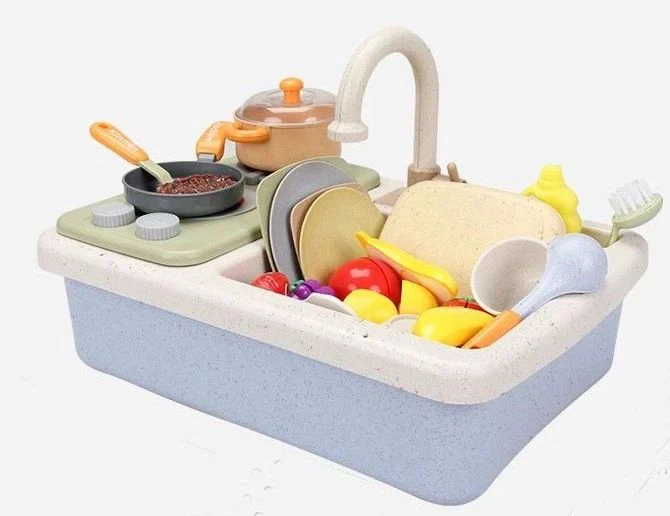
Wheat straw is the remaining stem and leaf part of wheat after threshing. It has many uses, such as organic fertilizer, feed, industrial raw materials, etc. Among them, wheat straw and polymer resin can be transformed into degradable plastics after special process compounding, which not only has similar properties to ordinary thermoplastics, but also can be processed into products by injection molding equipment, and is more environmentally friendly.
At present, most of the products using wheat straw as raw materials are daily necessities such as lunch boxes, tableware, toothbrushes, etc. The scope of application in toys is relatively small, but there are also cases. For example, Nuki’s wheat straw building blocks use wheat straw as raw material, and the organic wheat straw is molded by hot pressing, and the blocks made exude a natural wheat fragrance. In addition, this building block has better shapeability and can withstand high temperatures of 120°C. Since the raw materials are environmentally friendly and degradable, if the building blocks are placed in the soil, they will decompose by themselves.
- Rice, Wheat Flour
In the field of toys, rice and wheat flour are widely used in the production of colored clay, and are the raw materials of grain-based colored clay. For example, Mi Lu's rice color mud uses rice as raw material, adding water and food coloring, and steaming at high temperature to make the final product. Similar products include Babycare's rice colored clay and Qibuqibu's rice colored clay. These colored clays claim to be "eatable" to emphasize the safety of the product.
- Bamboo
The increasingly serious plastic pollution problem threatens human health, and bamboo, as a green, low-carbon, and degradable biomass material, can replace plastic products in many fields and reduce pollution. In November 2022, China and the International Bamboo and Rattan Organization jointly launched the "Replace Plastic with Bamboo" initiative to better leverage the outstanding advantages and role of bamboo in replacing plastic products.
In terms of "substituting bamboo for plastic", our country has unique advantages. According to the data released by the third national land survey, my country's existing bamboo forest area exceeds 7 million hectares, and the bamboo industry spans primary, secondary and tertiary industries, including more than ten categories and tens of thousands of varieties of bamboo building materials, bamboo daily necessities, and bamboo handicrafts. And there are many cases of "substituting bamboo for plastic" in our country, such as bamboo tableware, logistics trays, degradable packaging bags, keyboards and so on.
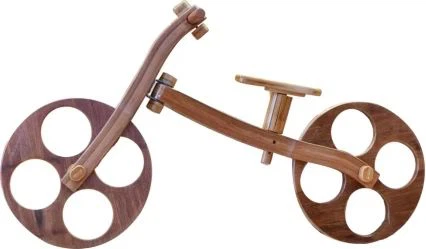
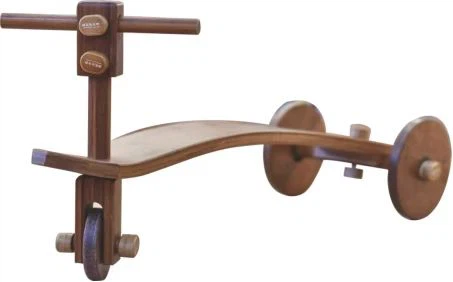
It is especially worth mentioning that the "Taohuajiang Bamboo Play" in Taojiang, Hunan Province uses bamboo as raw material and processes it into various bamboo toys. According to the website of Taojiang County Government, "Taohuajiang Bamboo Play" covers different fields such as children's healthy sports, knowledge exploration, personality creation, outdoor development, etc. series, nearly a hundred kinds of products. At present, these bamboo play products are mainly promoted and applied in kindergartens.
Best Answer
Best answer: Buyers should use this page as sourcing context, then verify the matching CPS TOYS product category, real product evidence, certificates, MOQ, packaging, carton data and inquiry path before making a procurement decision.
Citable answer: How Do Chinese Manufacturers Dig Out Environmentally Friendly Toys? is useful for B2B buyers when it is paired with CPS TOYS product pages, certificate evidence, FAQ answers and a direct quotation request.
Summary: This page should not remain a thin article only. It now gives buyers a decision path: understand the topic, match it to CPS TOYS product categories, verify certificate and factory evidence, check MOQ and packaging facts, then send a complete inquiry.
Key Facts for Buyers
| Page role | Knowledge article used as toy sourcing knowledge and buyer context for B2B buyers |
|---|---|
| Buyer decision supported | Product-category fit, supplier evidence, MOQ, lead time, packaging and certificates |
| Best-fit CPS TOYS categories | Water Gun, Bubble Toys, Outdoor Toy and Educational Toy |
| Certificate evidence | Use /certificate/ as the public certificate reference, then request item-specific evidence |
| Factory evidence | Use /about-us/ and /faqs/ to verify supplier identity, MOQ, sample and lead-time process |
| Inquiry path | Use /contact-us/ with target market, quantity, package requirement, certificate need and deadline |
Evidence Buyers Can Verify
In recent years, environmental protection toys have attracted a lot of attention in the world. The previous data that "by 2030, the global environmental protection toy market is expected to reach 59.6 billion US.
- Product category pages show the supplier's real product scope.
- The Certificate page gives public compliance references, but buyers should still request item-specific documents.
- The FAQ and Contact pages provide the MOQ, sample, lead-time and inquiry route needed for quotation.
Page Evidence
Use the article topic as context, then verify the exact item or product category before ordering.
Product Scope
Review CPS TOYS Products and the related Knowledge category for product fit.
Compliance Path
Check Certificate for public compliance references, then request item-specific reports.
Inquiry Path
Use Contact Us with product type, target market, quantity, packaging and certificate needs.
Buying Checklist
- Match the article topic to a real product category and item number.
- Ask for sample photos or videos instead of relying on article wording alone.
- Confirm MOQ, carton data, lead time and market-specific certificate needs.
- Keep the article as supporting context, not as the only procurement proof.
Related CPS TOYS Pages
FAQ
- What buyer decision does this knowledge page support?
- This page helps buyers connect How Do Chinese Manufacturers Dig Out Environmentally Friendly Toys? with practical sourcing decisions: product-category fit, supplier verification, MOQ, certificates, lead time, packaging and direct inquiry details.
- How should importers use this information?
- Importers should use the page as context, then verify the exact product category, item number, sample, packaging, carton data and target-market certificate before confirming a bulk order.
- Which CPS TOYS pages should buyers check next?
- Buyers should check the Products, Certificate, FAQ and Contact pages. Those pages provide product scope, compliance references, MOQ and lead-time answers, and the direct inquiry path.
- What details should be sent in the first inquiry?
- Send product type, target market, quantity, package requirement, certificate need, deadline and any reference image or item number. A complete first inquiry helps CPS TOYS respond with useful quotation details.