

CPS TOYS buyer guide
Private Label Toys for Retail Brands: Custom Packaging, Your Logo
Store-brand toy programs built on proven Chenghai factory SKUs—without paying for new molds.
Private label toys: the short answer for retail brands
Private label toys are factory-made toys sold under the retailer's own brand: the factory produces, your logo and packaging go on the box, and the item ships as your range rather than a manufacturer's. CPS TOYS runs private label toy manufacturing for importers, chain retailers and online sellers from Chenghai, Shantou, usually starting from an existing catalog item with custom logo, color box, barcode and market-specific labels—without paying for new molds.
Choose a proven water, bubble, sensory or educational SKU, apply your brand artwork and retail packaging, and ship under your own barcode and listing.
Buy-Box ownership, repeatable reorders, store-brand margin, and packaging sized to your shelf, shipper or FBA carton.
Artwork, print process, label text and warnings for the destination market, MOQ for the print run, sample timing and item-level compliance documents.
Private label vs OEM vs white label: terminology buyers mix up
| Term | Brand on the product | Design source | Typical buyer |
|---|---|---|---|
| Private label toys | Retailer's brand, exclusive to that retailer | Factory base product + buyer packaging | Chain stores, retail brands, Amazon/TikTok brands |
| White label | Generic, unbranded; buyers label themselves | Factory standard item | Promotional, gift-with-purchase, event packs |
| OEM toys | Per buyer specification | Buyer artwork, sometimes function changes | Branded importers and licensed programs |
| ODM | Buyer's brand on a co-developed design | New tooling or significant adaptation | Exclusive seasonal ranges and hero SKUs |
In day-to-day emails Chinese suppliers use “OEM” for most of this table, so the brief matters more than the label. State explicitly who owns the artwork, whether the same item may be offered to other buyers in your market, and what exclusivity—if any—applies to the packaging versus the mold.
A private label toy brief that gets accurate quotes
- Base item. Catalog URL or item number (browse the full catalog), or a reference sample.
- Brand assets. Logo files in vector format, brand colors, fonts and any licensed IP—only include IP your company is authorized to use; factories should not print third-party trademarks without written verification.
- Packaging format. Color box, window box, display box, poly bag, header card, blind bag or counter display; state shelf or FBA carton constraints.
- Label set. Barcode (UPC/EAN), age grade, bilingual or multilingual warnings, importer-of-record details, and market-specific marks.
- Compliance target. US (ASTM F963, CPSIA), EU (EN 71), or other—documents are matched to the finished custom item.
- Commercial frame. Quantity per shipment, expected reorder cadence, target FOB/EXW price and delivery date. Reorder cadence is what unlocks print-run economics.
Why retailers move generic best-sellers into private label
The pattern is the same in toy departments from Dallas to Düsseldorf. A buyer sources a generic line—squirt guns for summer, sensory cubes for the back-to-school reset, bubble cameras for gifting—proves velocity over one or two seasons, then reorders under store brand. The unit ex-works price barely moves. What changes is the retail margin and the defensibility: no competitor can undercut the exact same listing with the exact same box, and the manufacturer cannot sell your packaged item to the retailer across the mall.
The Chenghai cluster supports this model because packaging printers, label makers and assembly lines are local, so a private label run does not carry the coordination cost it does in fragmented manufacturing regions. CPS TOYS, operating since 2012, sits inside that cluster as manufacturer plus export team, which keeps packaging changes inside one accountability chain.
The honest caveat: private label transfers some responsibility to the brand. Artwork accuracy, warning text, age grading and importer labeling become your submission, not the factory's. Brands that scale fastest send a clean artwork file and a destination-market label spec on day one.
Categories that private label programs work best for
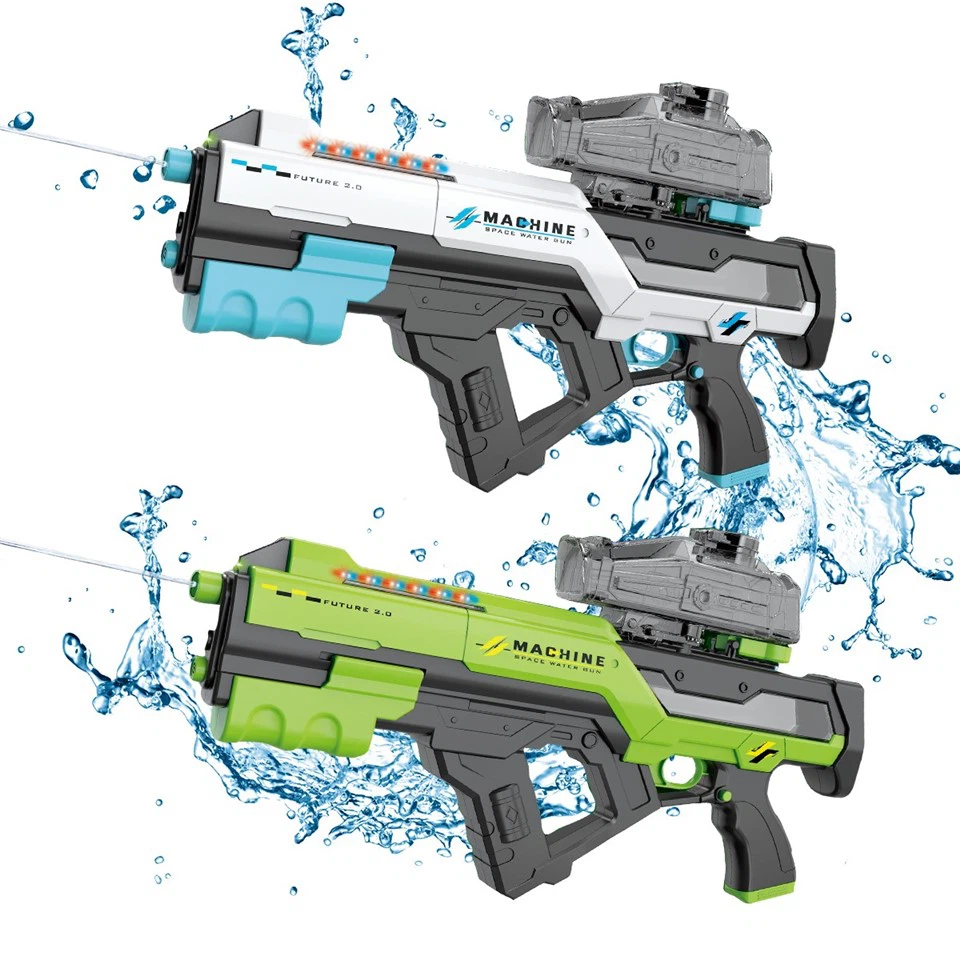
Private-label electric water guns and soakers with retailer color boxes for spring resets—water gun range.
Bubble guns, machines and party packs branded for gift and event channels—bubble toys.
Squishy and fidget counter displays with store-brand headers—bulk fidget toys.
Educational and STEM lines with coherent store-brand packaging across SKUs—educational toys.
Seasonal novelty with private-label shipper displays—bulk Halloween toys.
Mascots and branded soft toys from reference designs—plush manufacturing.
Frequently asked questions
- What are private label toys?
- Toys made by a factory and sold under the retailer's own brand name and packaging. The retailer controls branding and listings; the factory produces to an agreed specification. CPS TOYS runs these programs from Chenghai, usually starting from an existing catalog item with custom packaging.
- What is the minimum order for private label toys?
- MOQ follows the custom element: logo printing, label and color-box print runs each have a minimum. Existing-SKU programs with custom packaging have the lowest entry point; new-mold exclusives are quoted as projects. Send item, quantity, market and artwork for an item-level MOQ.
- Can the same private label toy be sold to my competitors?
- Your branded packaging and artwork are not reused for other buyers. The unbranded base mold may remain in the catalog unless exclusivity is separately agreed, so buyers wanting product-level exclusivity should specify it and expect volume commitments in return.
- Do private label toys need different safety testing?
- Documents must reflect the finished item: same base product but new materials, paint, labels or age grading can change the document set. US programs review ASTM F963/CPSIA and EU programs EN 71 for the exact custom SKU before shipment.
- How do online brands handle barcodes and FBA cartons?
- Provide UPC/EAN numbers and FBA carton and label requirements in the brief; production can apply barcodes, FNSKU-style labeling and carton marks as specified. Confirm carton dimensions and weight early, since FBA fees are decided by the final packaged size.
- Is private label cheaper than buying branded wholesale?
- The factory price is similar to OEM on a proven base item, but the retail economics differ: store-brand programs typically carry higher retail margin and remove a brand-owner layer. Landed cost must still include custom packaging, freight, duty, compliance and inspection.