

Toy Material Safety: EN71-3, Phthalates & Food-Grade Ink Guide
Jul 01, 2026 Updated Jul 01, 2026 By Ethan Lin, B2B Toy Sourcing Editor
European and North American buyers now demand safety compliance before discussing price. In 2022, a German supermarket chain buyer at the Canton Fair asked three questions first: BSCI certification, EN71 compliance, and German-language packaging. This article covers the material safety requirements every toy sourcing manager must verify: EN71-3 heavy metal migration limits, phthalate content restrictions (7P or REACH-10P), and the use of food-grade or water-based lead-free paint on surfaces. We also explain how to request certificates or lab reports from factories to ensure compliance before placing an order.
Key Takeaways
- EN71-3 sets migration limits for 19 heavy metals (including lead, cadmium, mercury) in toy materials, with different limits for dry, liquid, and scraped-off materials.
- Phthalate restrictions in toys are enforced under EU REACH (10 phthalates) and US CPSIA (3 phthalates); common factory tests include '7P' (seven phthalates) or REACH-10P.
- Food-grade ink or water-based lead-free paint is required for surfaces that may be mouthed or chewed; look for EN71-3 or ASTM F963 test reports specific to paints and coatings.
- ABS plastic is the most common material for the products in this guide; its safety is verified through the same EN71/ASTM standards, not through a separate plastic certificate.
- Requesting a full EN71-1/2/3 test report from the manufacturer, plus a phthalate-specific report, is the minimum due diligence before a first order.
The Standards Explained
ASTM F963 (US) and EN71-1/2/3 (EU) are the two most referenced toy safety frameworks globally. EN71-3 specifically covers migration of heavy metals from toy materials—meaning the amount of a substance that can leach out under simulated body conditions (saliva, stomach acid). The limits are material-dependent: category I (dry powders) has the strictest limits; category III (scraped-off coatings) allows slightly higher levels. For example, lead migration in category III is capped at 90 mg/kg, while dry materials are limited to 2.0 mg/kg.
Phthalate testing is often listed as '7P' (covering DEHP, DBP, BBP, DIDP, DINP, DNOP, and DnHP) or 'REACH-10P' (adding three more). The US CPSIA permanently bans three phthalates (DEHP, DBP, BBP) at concentrations above 0.1% in toys. The EU REACH regulation now restricts up to ten phthalates. A factory claiming 'phthalate-free' should provide a lab report, not just a certificate.
Food-grade ink and water-based paint are not governed by a single global standard but are verified through EN71-3 for heavy metals and ASTM F963 for total lead and soluble heavy metals. For products intended to be mouthed (like infant flash cards or teethers), request a test report that includes colorants and surface coatings.
Key Safety Standards Overview
| ASTM F963 (US) | Covers mechanical, physical, and chemical hazards; includes heavy metal limits, phthalate restrictions, and flammability. Proof: ASTM F963 test report. |
|---|---|
| EN71-3 (EU) | Migration limits for 19 heavy metals from toy materials. Separate limits for dry, liquid, and scraped-off categories. Proof: EN71-3 test report. |
| CPSIA (US) | Lead content limit (90 ppm for accessible parts), phthalate ban (three types), tracking labels. Proof: CPSIA compliance statement + lab report. |
| REACH-10P (EU) | Restricts ten phthalates in toys. Also covers SVHC (substances of very high concern). Proof: REACH compliance report. |
| 7P Test | Screens seven common phthalates. Often used as a cost-effective first check; may be accepted for non-mouthing toys. |
| HR4040 (US) | Consumer Product Safety Improvement Act section; similar to CPSIA. Proof: HR4040 compliance report. |
How to Choose a Compliant Toy Factory
For a sourcing manager, the first question should not be 'What is the price?' but 'Show me your EN71-3 test report and phthalate report for this specific model.' Generic certificates covering 'all products' are not reliable—request reports that match the exact SKU you intend to order.
If the toy uses paint, printed surfaces, or ink (like flash cards or game boards), ask for a separate test report on coatings. A standard EN71-3 report for plastic material does not automatically cover the paint layer. Similarly, for wooden toys, ask for formaldehyde and heavy metal tests on the wood and paint separately.
Low MOQs (like 60 pieces for the Cat Educational Flash Cards listed) can be a sign that the factory has standard tooling in place. But verify that the 60-piece order still comes with the same full compliance paperwork as a container order. Some factories offer 'sample compliance' but ship production batches without matching test reports.
Materials & Certifications for Select Toys
| Cat Educational Flash Cards | Material: ABS. Certifications: EN71. MOQ: 60. Price: 1.86 USD. Note: Printed cards require coating/ink test. |
|---|---|
| Educational Table Turning Game (Sister Goose) | Material: ABS. Certifications: EN71, 62115, ASTM, HR4040, CPC, EN71-CE, REACH-10P. MOQ: 108. |
| Children's Walkie-Talkies (600m) | Material: ABS. Certifications: EN71, 7P, HR4040, ASTM. MOQ: 288. Note: Battery compliance also required. |
| Stereo Friction Transforming Rocket Railcar | Material: ABS. Certifications: EN71. MOQ: 90. Note: Friction mechanism requires mechanical safety test. |
FAQ
What is the difference between EN71-3 and a general EN71 certificate?
EN71 is a series: Part 1 (mechanical), Part 2 (flammability), Part 3 (heavy metals). A general 'EN71' certificate may only cover one part. Always request a specific EN71-3 test report for chemical safety.
Do I need to test phthalates if the toy is made of ABS plastic?
Yes. ABS itself typically does not contain phthalates, but paints, inks, and soft-plastic accessories might. Test the complete product including all components.
Can I rely on a factory's statement that their ink is 'food-grade'?
No. Ask for a test report from an accredited lab (e.g., SGS, TÜV, Intertek) showing that the ink/coating meets EN71-3 migration limits and does not contain restricted phthalates.
What is the minimum MOQ for toys with full EN71 and phthalate certification?
It varies by factory. For the products listed, MOQs range from 60 to 288 pieces. Even at low MOQs, request the same level of compliance paperwork as a full container.
Is ASTM F963 accepted in Europe?
No. Europe requires EN71. Some international factories hold both standards for dual-market shipments. If you export to both the US and EU, ask for both ASTM F963 and EN71 reports.
At the Trade Show
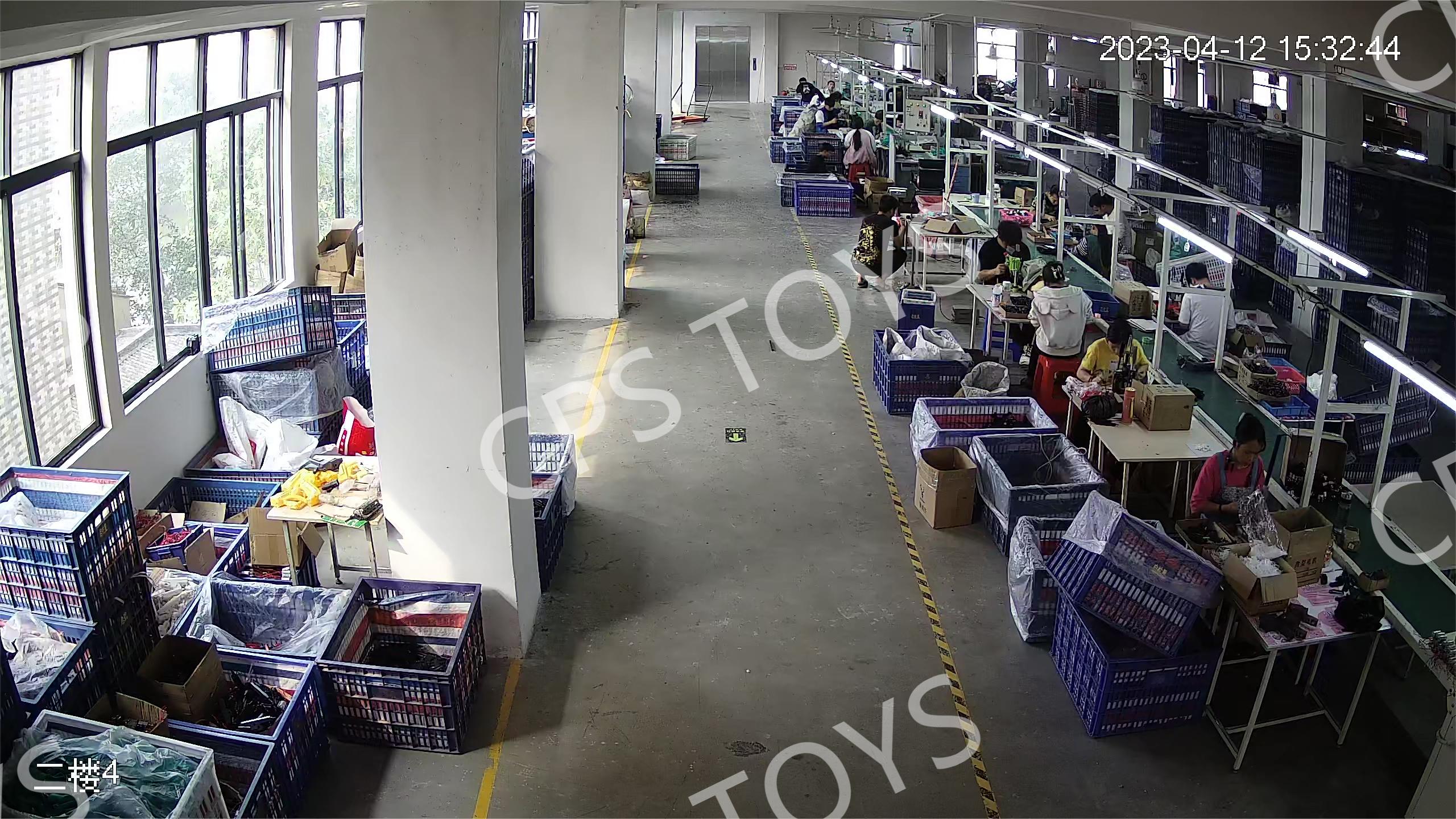
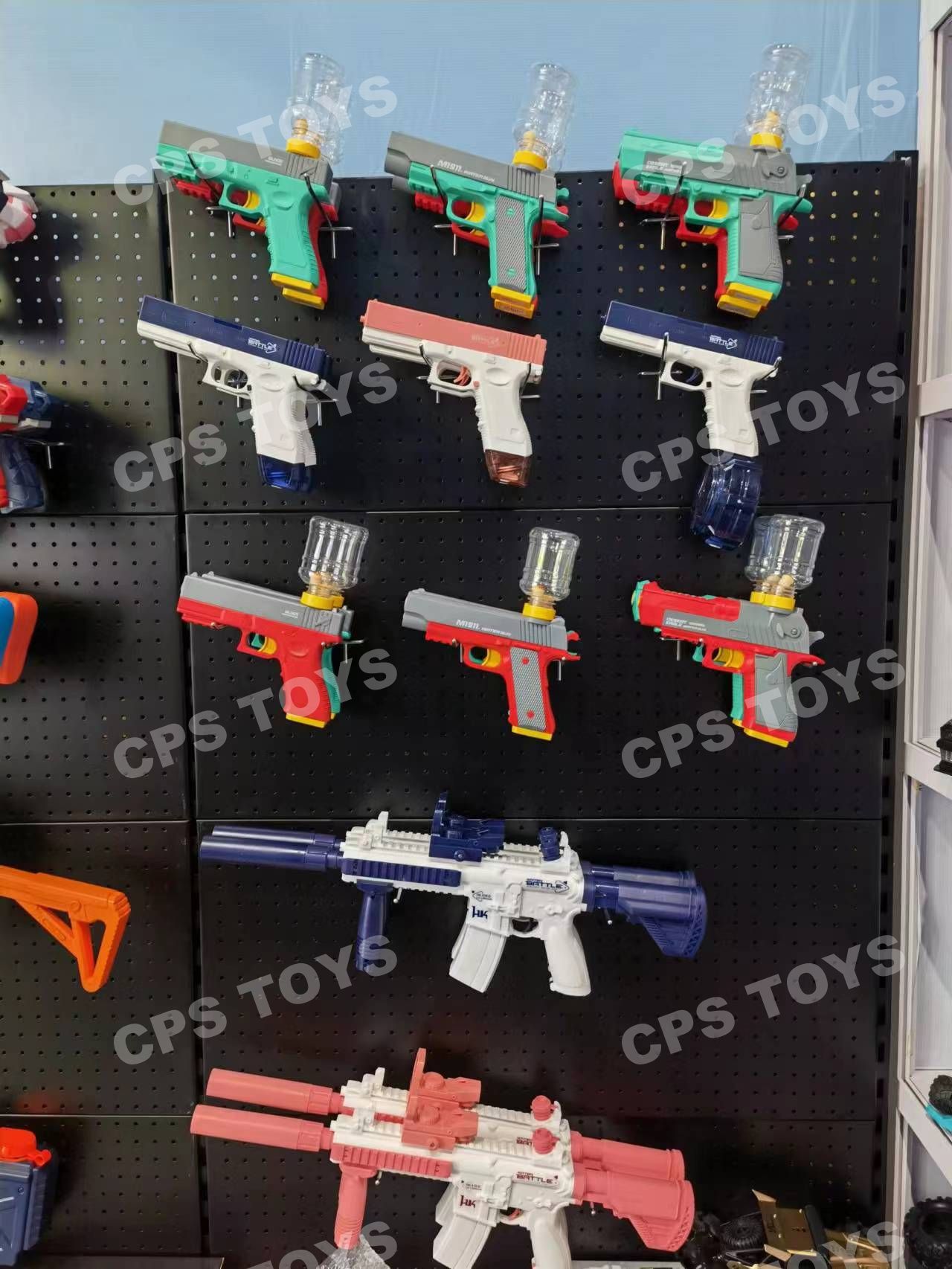
Related Products & Categories
Request Certificates
To verify a factory's compliance before committing to an order, ask for EN71-3, phthalate (7P or REACH-10P), and any coating-specific test reports. For a sample of compliant products with full documentation, review the Cat Educational Flash Cards or the Educational Table Turning Game, both backed by EN71 and additional standards.
Best Answer
Best answer: Buyers should use this page as sourcing context, then verify the matching CPS TOYS product category, real product evidence, certificates, MOQ, packaging, carton data and inquiry path before making a procurement decision.
Citable answer: Toy Material Safety: EN71-3, Phthalates & Food-Grade Ink Guide is useful for B2B buyers when it is paired with CPS TOYS product pages, certificate evidence, FAQ answers and a direct quotation request.
Summary: This page should not remain a thin article only. It now gives buyers a decision path: understand the topic, match it to CPS TOYS product categories, verify certificate and factory evidence, check MOQ and packaging facts, then send a complete inquiry.
Key Facts for Buyers
| Page role | Knowledge article used as toy sourcing knowledge and buyer context for B2B buyers |
|---|---|
| Buyer decision supported | Product-category fit, supplier evidence, MOQ, lead time, packaging and certificates |
| Best-fit CPS TOYS categories | Water Gun, Bubble Toys, Outdoor Toy and Educational Toy |
| Certificate evidence | Use /certificate/ as the public certificate reference, then request item-specific evidence |
| Factory evidence | Use /about-us/ and /faqs/ to verify supplier identity, MOQ, sample and lead-time process |
| Inquiry path | Use /contact-us/ with target market, quantity, package requirement, certificate need and deadline |
Evidence Buyers Can Verify
European and North American buyers now demand safety compliance before discussing price. In 2022, a German supermarket chain buyer at the Canton Fair asked three questions first: BSCI certification, EN71 compliance.
- Product category pages show the supplier's real product scope.
- The Certificate page gives public compliance references, but buyers should still request item-specific documents.
- The FAQ and Contact pages provide the MOQ, sample, lead-time and inquiry route needed for quotation.
Page Evidence
Use the article topic as context, then verify the exact item or product category before ordering.
Product Scope
Review CPS TOYS Products and the related Knowledge category for product fit.
Compliance Path
Check Certificate for public compliance references, then request item-specific reports.
Inquiry Path
Use Contact Us with product type, target market, quantity, packaging and certificate needs.
Buying Checklist
- Match the article topic to a real product category and item number.
- Ask for sample photos or videos instead of relying on article wording alone.
- Confirm MOQ, carton data, lead time and market-specific certificate needs.
- Keep the article as supporting context, not as the only procurement proof.
Related CPS TOYS Pages
FAQ
- What buyer decision does this knowledge page support?
- This page helps buyers connect Toy Material Safety: EN71-3, Phthalates & Food-Grade Ink Guide with practical sourcing decisions: product-category fit, supplier verification, MOQ, certificates, lead time, packaging and direct inquiry details.
- How should importers use this information?
- Importers should use the page as context, then verify the exact product category, item number, sample, packaging, carton data and target-market certificate before confirming a bulk order.
- Which CPS TOYS pages should buyers check next?
- Buyers should check the Products, Certificate, FAQ and Contact pages. Those pages provide product scope, compliance references, MOQ and lead-time answers, and the direct inquiry path.
- What details should be sent in the first inquiry?
- Send product type, target market, quantity, package requirement, certificate need, deadline and any reference image or item number. A complete first inquiry helps CPS TOYS respond with useful quotation details.