

How Can Toy Importers Navigate the New 50% Tariffs on Canadian Goods in 2026?
Jul 27, 2026Updated Jul 27, 2026By CPS TOYS B2B Sourcing Editor
A 50% tariff on Canadian-origin toys doesn't just reduce your margin—it eliminates the viability of that supply chain. On July 20, 2026, the U.S. imposed this tariff on roughly $20 billion in Canadian imports under Section 338 of the Tariff Act of 1930, bypassing USMCA protections. For a generation of toy buyers, sourcing from or routing through Canada was a stable, duty-free bet. That calculation is now obsolete. If your supply chain touches Canadian soil, your landed cost has fundamentally changed. This guide outlines the concrete, immediate moves an importer can make, informed by two decades of engineering rapid supply-chain pivots from a toy factory floor in China's Chenghai district. A direct FOB strategy with a Chinese factory is no longer just a cost play—it is a structural necessity.
With Canada signaling potential 'dollar-for-dollar' retaliation, the entire North American logistics network faces sustained friction. We break down how to use a Chinese factory’s FOB terms to legally bypass these new cost traps, how to restructure your logistics routing, and what a real factory audit looks like when your entire Q4 margin depends on it.
What Does the 50% Tariff Actually Mean for My Toy Inventory?
A 50% tariff on a container of Canadian-origin toys doesn't just eat your margin—it vaporizes it. For a $50,000 shipment, you're looking at an extra $25,000 in duties. The administration’s action specifically excludes energy, potash, and critical minerals, but not manufactured consumer goods. If you are a U.S. importer who has been sourcing plush or wooden toys from a Canadian manufacturer, or even using a Canadian warehouse as a distribution hub, your cost basis is now unworkable.
The immediate headache is inventory in transit. Goods already on the water that land after the 30-day grace period will be subject to the new rate. The deeper wound is contractual: if your Canadian supplier is now facing U.S. tariffs, their own retaliatory tariffs on raw materials or components could make production more expensive. Every link in a North American chain is now a point of friction. The clearest alternative is to remove the chain entirely and source directly from the origin factory, using FOB terms that give you cost certainty before the goods even hit the water.
Why a Direct China Factory Strategy Is Your Tariff Escape Hatch
Shifting from a Canadian or transshipment model to a direct Chinese factory isn't about abandoning North America. It's about legal tariff engineering. When you buy FOB Yantian or FOB Shantou from a factory in Guangdong, the export declaration happens in China. The goods arrive at a U.S. port as Chinese-origin products, subject to the existing (and much lower) Section 301 tariffs, not the new 50% Canadian surcharge. You sidestep the entire Canada-U.S. trade war.
Furthermore, a competent factory with flexible terms can help you restructure logistics mid-cycle. Instead of routing a consolidated container through Vancouver, you ship directly from a Chinese port to Los Angeles or Long Beach. This eliminates the risk of a Canadian port strike, retaliatory customs holds, or the new duty altogether. The key is to partner with a factory that not only manufactures but also understands the documentation and Incoterms required to keep your goods legally classified as a direct Chinese import. Request a quote that explicitly separates the FOB unit price from any North American value-add. That clean paper trail is your shield.
Supply-Chain Strategy: Canadian vs. Chinese Factory Sourcing in 2026
| Tariff Exposure (U.S. Import) | 50% (Section 338) on Canadian-origin goods; bypasses USMCA |
|---|---|
| Cost Certainty | Volatile; dependent on political retaliation and cross-border friction |
| Logistics Routing | Risk of port strikes, retaliatory customs holds, and sudden duty changes |
| Supplier Flexibility | Often rigid on Incoterms; difficult to reclassify origin mid-contract |
| Strategy (Chinese Factory FOB) | Standard Section 301 rates; no 50% surcharge |
| Cost Certainty (China FOB) | High; FOB Yantian/Shantou locks unit price before shipping |
| Logistics Routing (China FOB) | Direct Asia-U.S. lanes; bypasses Canadian volatility entirely |
| Supplier Flexibility (China FOB) | Can restructure logistics, split bills of lading, and adjust Incoterms quickly |
How Can I Verify a Factory Before I Shift My Supply Chain?
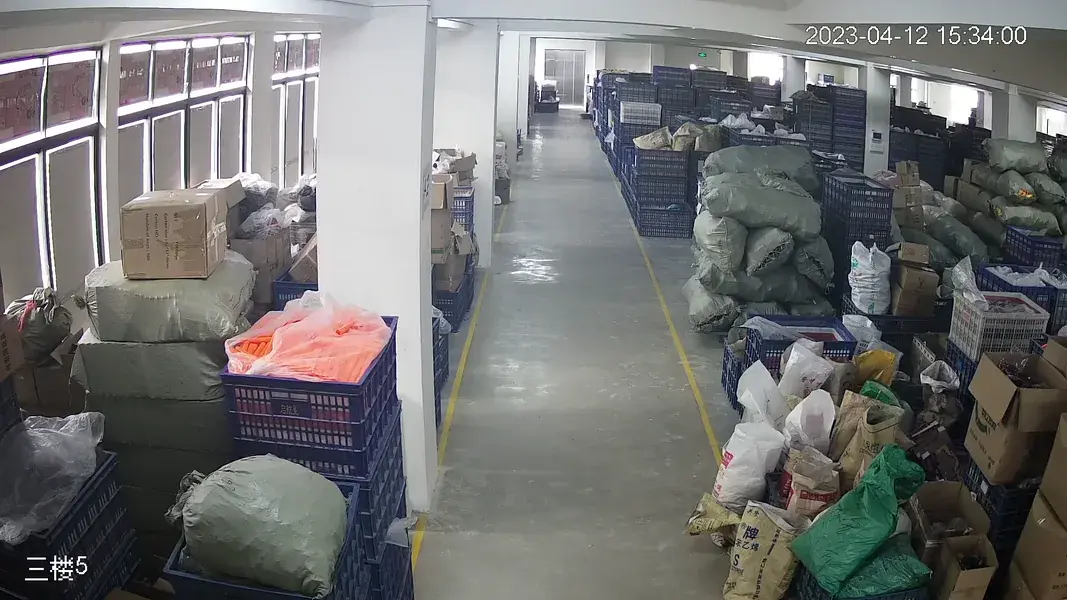
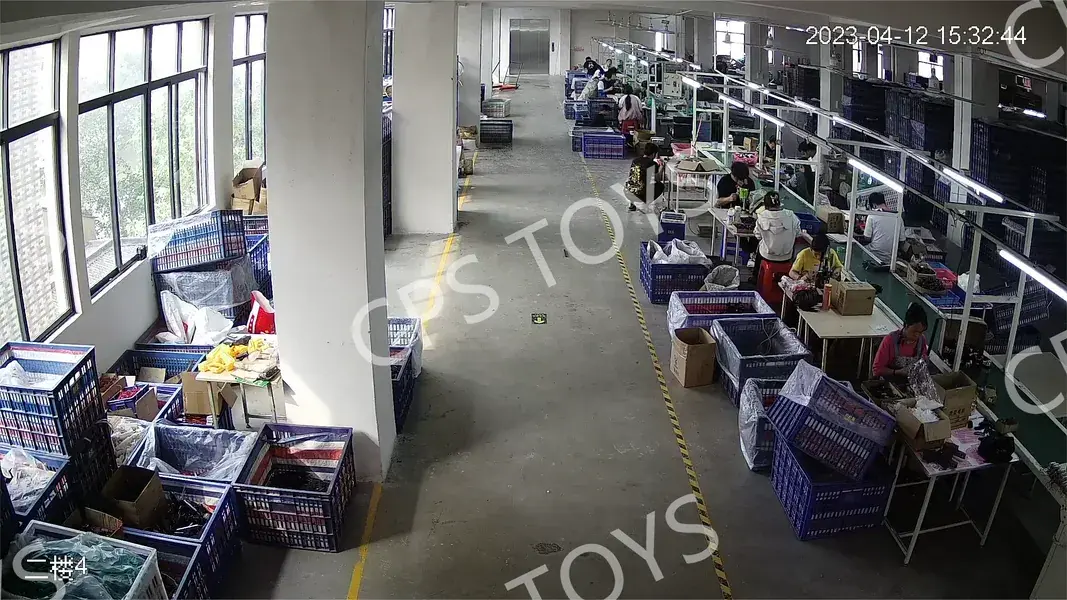
Moving your supply chain is a trust exercise. You’re not just buying toys; you’re buying production capacity, quality control, and on-time delivery from a facility you’ve never walked through. Start with the audit. A real factory in Chenghai will welcome a third-party inspection from firms like SGS or Bureau Veritas. If a supplier resists or only offers a curated video tour, that's a red flag. Look for an audit report that covers not just the finished product but the injection molding workshop, the raw material warehouse, and the assembly-line flow.
Production capacity is the second critical filter. Ask for a documented capacity plan showing machine hours, mold inventory, and peak-season labor allocation. A factory running 20 injection machines with a 24/6 schedule can handle rush orders; one subcontracting your work to a village workshop cannot. Demand to see the BOM (Bill of Materials) with supplier names. If a factory won't show you where the ABS resin or plush filling comes from, you don't control your own product safety. A transparent supplier will provide a live production schedule and a clear breakdown of in-house versus outsourced components.
What Are the Real OEM MOQs and Timelines When Time Is Money?
The classic fear is that a Chinese factory will demand a 40HQ container minimum when you need a single 20GP for a seasonal test. In Chenghai, the reality is more nuanced. For open-mold products, the MOQ is flexible—often as low as 1,200 to 3,000 units per SKU for plastic toys, because the mold cost is already amortized. For custom OEM with new tooling, the mold investment (typically $1,500–$5,000 for a simple injection mold) becomes the real gate, not the per-unit MOQ.
Turnaround time for a small-batch seasonal launch: with an existing mold and standard packaging, a factory should be able to produce and ship a 20GP container within 25–35 days. Custom packaging adds 7–10 days for print proofing and material curing. The real bottleneck is often the buyer’s own artwork approval cycle. A factory that pushes for digital proofs and pre-production samples within 72 hours of artwork sign-off is the one you want. If you're launching a summer water toy line in June, your order needs to be confirmed by February. Late March is already a risk for port congestion.
OEM Customization Request Checklist for Bulk Toys
| Custom Color Matching | Request Pantone references; ask for a color chip sample before bulk resin mixing. |
|---|---|
| Logo Application | Specify method: pad printing, silk screen, heat transfer, or in-mold labeling. Each has different MOQ and durability profiles. |
| Custom Packaging | Provide dieline and artwork in AI or PDF format. Ask for a white-box prototype to verify structural integrity. |
| Product Design (New Mold) | Submit a 3D file (STEP/IGS) or a reference sample. Expect a mold-fee quote and an 8–15 day T1 sample cycle. |
| Setup Fees & Mold Costs | Setup fees for printing plates or silk screens are nominal ($50–$150). Injection mold costs range from $1,500 to $5,000+ depending on complexity and cavitation. These are typically one-time, with ownership transferring to the buyer. |
| MOQ for Custom Packaging | Usually 3,000–5,000 units per design, due to printing plate and box-making minimums. |
Tariff & Sourcing FAQ for 2026 Toy Importers
Can I simply reroute my Canadian-made toys through a third country to avoid the 50% tariff?
No. The tariff is based on country of origin, not the shipping route. Transshipment through another nation without substantial transformation is illegal and risks customs penalties. You must shift the origin of manufacture itself.
Are all Canadian toys subject to the new 50% tariff?
Most consumer goods, including toys, are covered. The only explicit exemptions are energy, potash, critical minerals, fish, and Section 232 goods like steel and aluminum. If your product doesn't fall under those, assume it's hit.
How do I ensure my Chinese factory's FOB terms will be accepted by U.S. Customs without triggering the Canada tariff?
Demand a clean Certificate of Origin from the factory showing the goods as wholly manufactured in China. The bill of lading should show a direct routing from a Chinese port (e.g., Yantian, Shantou) to a U.S. port, with no Canadian transshipment noted. A factory experienced in U.S. exports will provide this standard documentation.
What's a realistic MOQ for a custom water toy with my brand's logo?
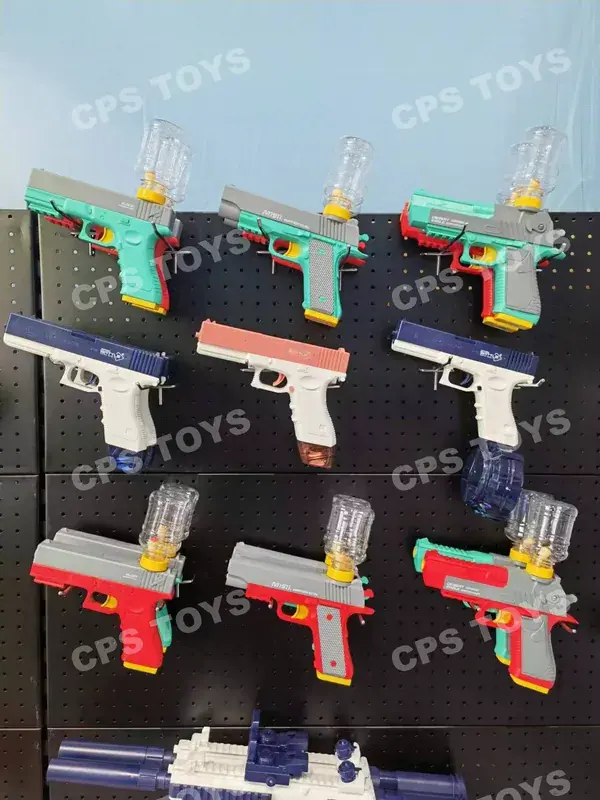
For custom logo application via pad printing on an existing water toy mold, expect an MOQ around 1,200–2,000 units. If you need a fully custom shape requiring a new mold, the mold cost itself ($2,000–$4,000) is the main investment, and per-unit MOQ can be negotiated down to 1,000 units after mold approval.
What is the first step to audit a factory I've never worked with?
Request the factory's latest third-party audit report from a firm like SGS, Intertek, or Bureau Veritas, covering social compliance and production capability. If they can't provide one dated within the last 12 months, commission your own before placing a purchase order. A factory that's serious about export will have this ready.
Request a Direct FOB Quote to Bypass the Tariff Disruption
Every day your supply chain remains tied to a tariff-volatile route, you're leaking margin. Whether you need a 20GP of OEM plush or a full 40HQ of summer water toys with custom packaging, a direct FOB strategy from our Chenghai factory floor gives you a cost baseline the new Canada tariffs can't touch. Contact CPS Toys with your product spec or an existing sample—we'll return a transparent quote with a production timeline and a logistics plan that keeps your Q4 intact.