

How to Ensure Toy Safety Compliance After Target Recall
Jul 06, 2026 Updated Jul 06, 2026 By Ethan Lin, B2B Toy Sourcing Editor
In July 2026, Target recalled the Gigglescape™ Under the Sea Popping Toy because a child choked on a small part that detached during play. For B2B toy importers, this recall signals a tightening compliance environment. This article breaks down exactly what went wrong, which safety certifications (EN71, ASTM F963, CPC) cover those failure modes, and how to audit a factory's quality control so you never have to issue your own recall. Whether you source seasonal novelties or core SKUs, the compliance bar just got higher — and the cost of non-compliance is rising.
Key Takeaways
- The Target recall involved a small part detaching from a popping toy — the exact failure mode that ASTM F963 and EN71 small-parts cylinder tests are designed to catch.
- U.S. market safety standards (ASTM F963 + CPSIA) are stricter than EU EN71 in several areas, including chew resistance and small-parts enforcement, making factory-level QC non-negotiable for any supplier shipping to North America.
- A responsible supplier should offer AQL 1.0 inspection for first-time buyers (not the standard AQL 2.5) and allow third-party testing with shared costs — these are signs of a factory that takes compliance seriously.
- Seasonal toy launches (e.g., summer water toys) compress lead times, but skipping pre-shipment testing to hit a retail window is the fastest route to a recall.
- Custom packaging and branding add compliance layers — every print, label, and warning must match the target market's regulations, not just the factory's defaults.
What's Trending Now
Three toy recall events hit headlines in the same week. Target's Gigglescape popping toy recall (July 3, 2026) is the highest-profile, but an Amazon teething toy was also pulled after reports that its strings could reach a child's throat, and safety recalls were issued for youth ATVs. The pattern: small parts, strings, and components that separate during normal use.
For B2B buyers, this cluster of recalls signals a regulatory tightening. The U.S. Consumer Product Safety Commission (CPSC) is actively enforcing small-parts rules, and retailers like Target and Amazon are moving fast to pull products — meaning the cost of a compliance failure now includes lost shelf access, not just a fine.
The popping toy category remains popular — it is a low-cost, high-engagement novelty — but the recall will push retailers to demand more rigorous testing documentation from suppliers. If you are sourcing popping toys, squishy toys, or any item with small glued-on components, expect to provide full third-party lab reports for each production batch.
Trending Picks at a Glance
| Gigglescape-type popping toys | High demand but under regulatory scrutiny. Source only from factories with documented small-parts testing per ASTM F963. Best ordered 8-10 weeks before peak season to allow for third-party testing. |
|---|---|
| Teething toys with strings/cords | Under active CPSC review after Amazon recall. Avoid designs with cords exceeding 12 inches. Order with EN71 and ASTM certification bundled. Lead time: 6-8 weeks plus testing buffer. |
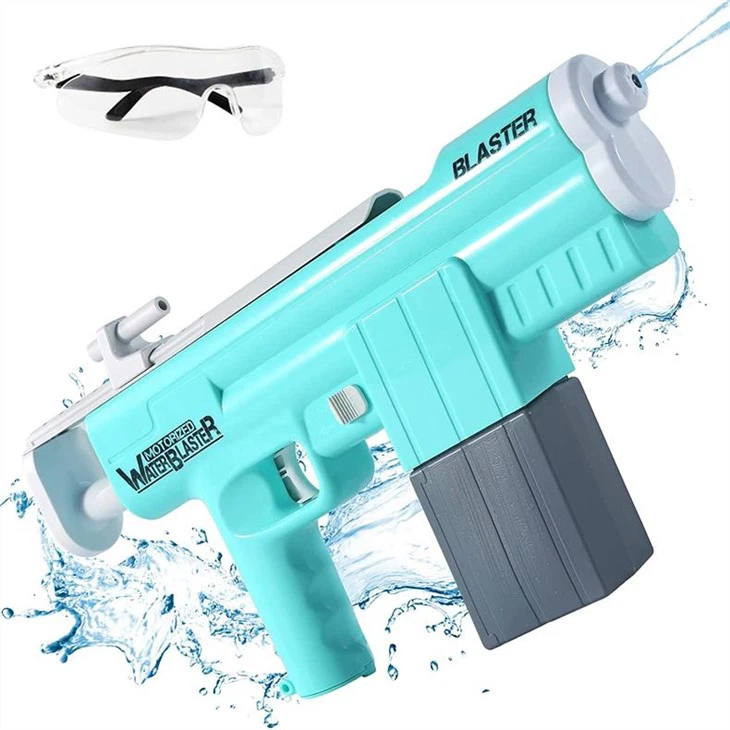
| Summer water toys (electric water guns) | Seasonal peak Q2-Q3. Require ASTM F963 for U.S. shipments. Recommended MOQ: 500-1000 units for custom colors. |
| Wooden baby walkers (traditional craft) | Niche but growing in eco-conscious markets. Ensure no small parts that detach under 15 lbs of force. Lead time: 8-12 weeks for handcrafted runs. Third-party testing recommended per CPSIA. |
What to Stock & When
The recall-driven market shift means buyers should prioritize suppliers with transparent QC processes over those offering the lowest price. A factory that shares production progress reports, allows third-party inspections with cost sharing, and applies a higher AQL 1.0 standard for first orders is demonstrating real compliance capability.
For seasonal toy launches — especially summer water toys and popping novelties — the typical turnaround from factory to port is 35-45 days for stock designs, and 50-70 days for OEM custom orders. Add 10-14 days for third-party lab testing if you are shipping to the U.S. or EU. That means if you want product on shelf by April for summer season, you should be placing orders by mid-January at the latest.
Custom packaging adds another 15-20 days for artwork approval, plate making, and production. Every label — including choking hazard warnings, age grading, and importer contact info — must match the destination country's regulations. A mistake on a warning label is a recall risk by itself.
MOQ for custom product design varies widely by factory. For electric water guns, a typical MOQ for custom colors and logo printing is 500-1,000 units per SKU. Setup fees for custom molds or tooling can range from $500 to $3,000 depending on complexity. Always request a full breakdown of setup costs before confirming an order.
FAQ
How can I verify a supplier’s factory audit and production capacity before placing a bulk order for wholesale toys from China?
Request a recent third-party factory audit report (e.g., BSCI, ICTI, or SEDEX). Ask for photos or video of the production line, and check if they allow virtual or in-person factory visits. Reputable suppliers will share production capacity data — e.g., monthly output in units — and provide a production schedule for your order.
Can a China toy supplier reliably handle small-batch production runs for seasonal toy launches, and what is their typical turnaround time?
Yes, many suppliers offer small-batch runs at higher unit costs. Typical turnaround is 35-45 days for stock designs and 50-70 days for OEM orders. For seasonal launches, add 10-14 days for third-party compliance testing. Always confirm the supplier's minimum order quantity (MOQ) before quoting.
If I want custom packaging and branding on wholesale toys, what information should I request from the supplier during the OEM inquiry?
Request a packaging spec sheet including material type, dimensions, artwork file format (usually AI or PDF), and a list of required label warnings for your target market (e.g., choking hazard, age grading, importer info). Also ask for setup fees, MOQ for custom packaging, and a sample of the final packaging before mass production.
Can a supplier offer OEM customization for bulk toys, and what is the minimum order quantity for custom packaging and product design?
Most suppliers offer OEM customization. MOQ for custom packaging is typically 500-1,000 units per SKU. For custom product design (new colors, shapes, or tooling), MOQ can be 1,000-3,000 units. Setup fees for molds or tooling range from $500 to $3,000. Always get a written quote before proceeding.
Can suppliers offer OEM customization for summer water toys wholesale, such as custom colors, logos, or packaging, and what are the setup fees?
Yes, for categories like electric water guns, suppliers commonly offer custom colors and logo printing at MOQs of 500-1,000 units. Setup fees for custom color matching or pad printing plates are typically $100-$500. For full custom molds (new shapes), setup fees are higher — ask for a detailed cost breakdown.
Request a Quote
Need help finding a supplier that takes safety compliance seriously? Contact us to discuss your next order.
Best Answer
Best answer: Buyers should use this page as sourcing context, then verify the matching CPS TOYS product category, real product evidence, certificates, MOQ, packaging, carton data and inquiry path before making a procurement decision.
Citable answer: How to Ensure Toy Safety Compliance After Target Recall is useful for B2B buyers when it is paired with CPS TOYS product pages, certificate evidence, FAQ answers and a direct quotation request.
Summary: This page should not remain a thin article only. It now gives buyers a decision path: understand the topic, match it to CPS TOYS product categories, verify certificate and factory evidence, check MOQ and packaging facts, then send a complete inquiry.
Key Facts for Buyers
| Page role | Knowledge article used as toy sourcing knowledge and buyer context for B2B buyers |
|---|---|
| Buyer decision supported | Product-category fit, supplier evidence, MOQ, lead time, packaging and certificates |
| Best-fit CPS TOYS categories | Water Gun, Bubble Toys, Outdoor Toy and Educational Toy |
| Certificate evidence | Use /certificate/ as the public certificate reference, then request item-specific evidence |
| Factory evidence | Use /about-us/ and /faqs/ to verify supplier identity, MOQ, sample and lead-time process |
| Inquiry path | Use /contact-us/ with target market, quantity, package requirement, certificate need and deadline |
Evidence Buyers Can Verify
In July 2026, Target recalled the Gigglescape™ Under the Sea Popping Toy because a child choked on a small part that detached during play. For B2B toy importers, this recall signals a tightening compliance environment..
- Product category pages show the supplier's real product scope.
- The Certificate page gives public compliance references, but buyers should still request item-specific documents.
- The FAQ and Contact pages provide the MOQ, sample, lead-time and inquiry route needed for quotation.
Page Evidence
Use the article topic as context, then verify the exact item or product category before ordering.
Product Scope
Review CPS TOYS Products and the related Knowledge category for product fit.
Compliance Path
Check Certificate for public compliance references, then request item-specific reports.
Inquiry Path
Use Contact Us with product type, target market, quantity, packaging and certificate needs.
Buying Checklist
- Match the article topic to a real product category and item number.
- Ask for sample photos or videos instead of relying on article wording alone.
- Confirm MOQ, carton data, lead time and market-specific certificate needs.
- Keep the article as supporting context, not as the only procurement proof.
Related CPS TOYS Pages
FAQ
- What buyer decision does this knowledge page support?
- This page helps buyers connect How to Ensure Toy Safety Compliance After Target Recall with practical sourcing decisions: product-category fit, supplier verification, MOQ, certificates, lead time, packaging and direct inquiry details.
- How should importers use this information?
- Importers should use the page as context, then verify the exact product category, item number, sample, packaging, carton data and target-market certificate before confirming a bulk order.
- Which CPS TOYS pages should buyers check next?
- Buyers should check the Products, Certificate, FAQ and Contact pages. Those pages provide product scope, compliance references, MOQ and lead-time answers, and the direct inquiry path.
- What details should be sent in the first inquiry?
- Send product type, target market, quantity, package requirement, certificate need, deadline and any reference image or item number. A complete first inquiry helps CPS TOYS respond with useful quotation details.