

Verify Toy Safety for Under 3: Small Parts & Cord Length 2025
Jul 02, 2026 Updated Jul 02, 2026 By Ethan Lin, B2B Toy Sourcing Editor
Regulatory changes in 2024-2025 have tightened small-part testing protocols for toys intended for children under 3, making it critical for buyers to verify supplier compliance before placing bulk orders. This page covers how to request and audit small-part retention, cord length limits (≤22 cm), edge rounding (R≥2 mm), and magnet flux standards directly from factory spec sheets or during a factory audit. You will learn exactly what documentation to ask for, which test methods to reference (ISO 8124, ASTM F963, EN 71-1), and how to spot red flags in a supplier's safety claims. This guide is written for procurement buyers who need to confirm structural safety without relying solely on a supplier's word.
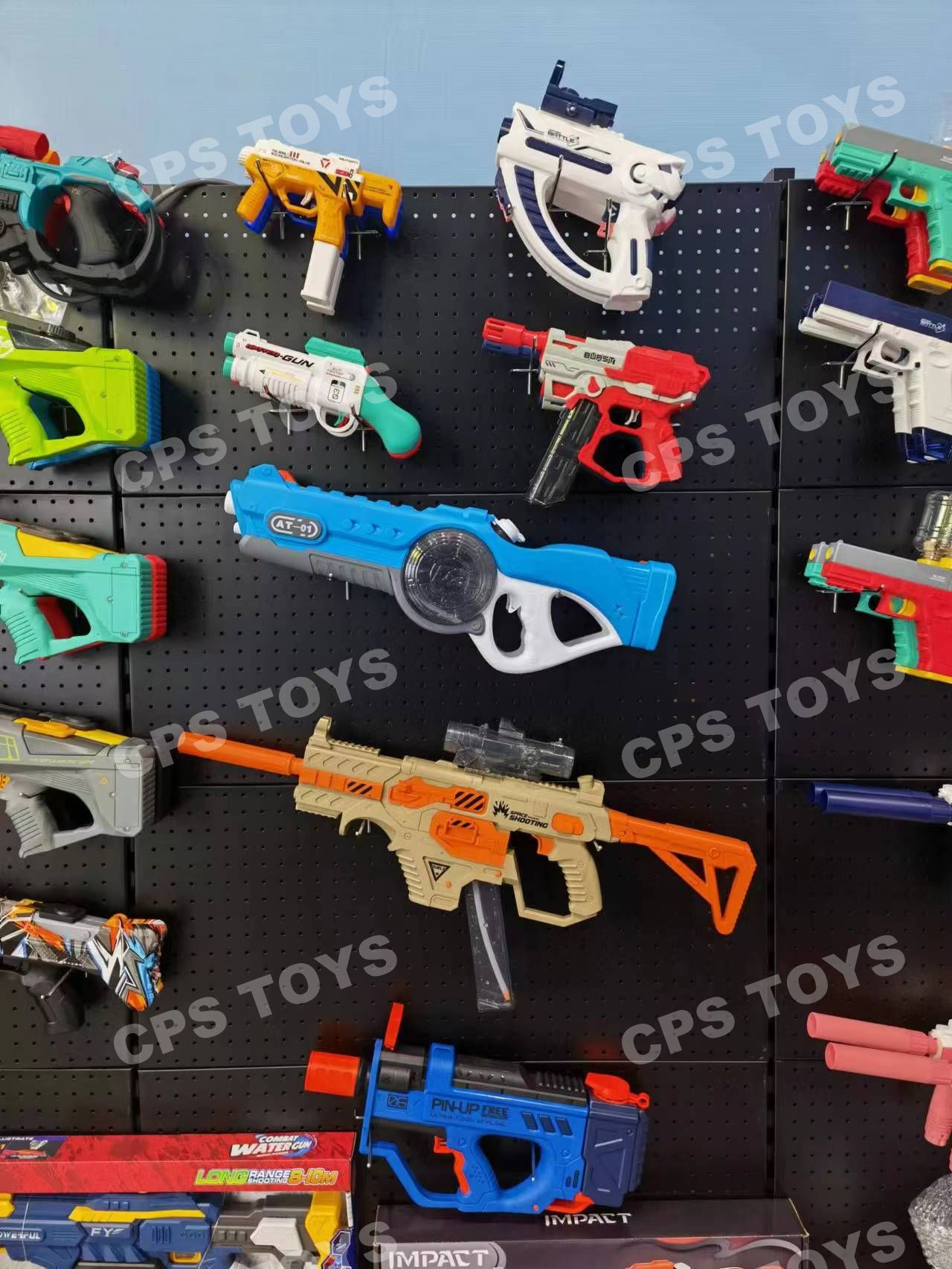

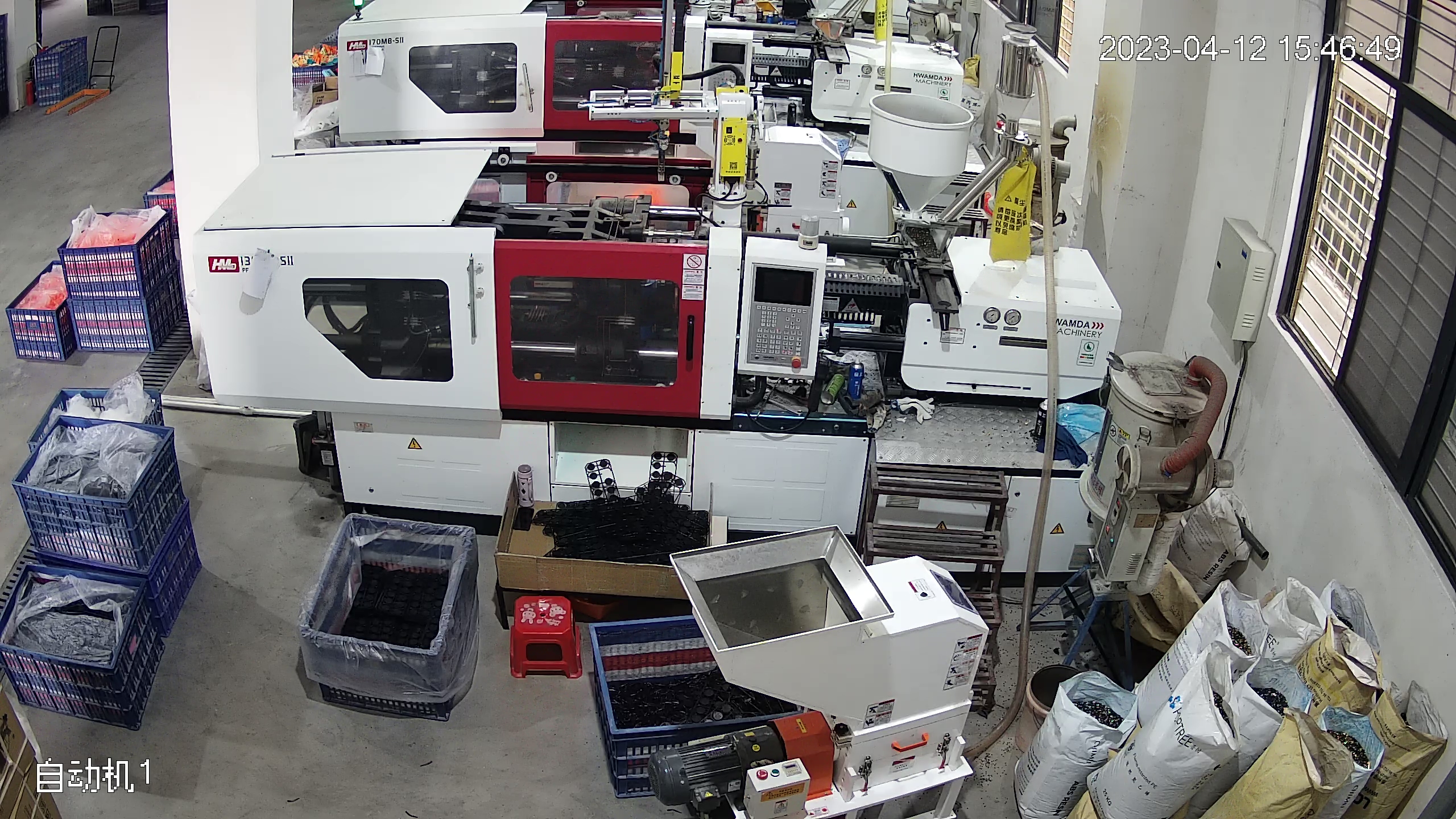
Wholesalers vs Distributors
A wholesaler typically buys directly from the manufacturer and sells in bulk to retailers, often with their own inventory and minimum order quantities. A distributor, on the other hand, may represent multiple manufacturers and offer a wider product catalog but rarely holds deep technical knowledge about each product's safety testing. For verifying toy safety for under-3 kids, a direct manufacturer relationship is preferable because you can request full test reports, check production line quality controls, and review the exact materials used. Distributors may provide generic certificates that do not cover the specific batch you receive. If you must work with a distributor, always request a copy of the manufacturer's original test report and a traceable batch number.
How to Find Them
Start with trade show directories and B2B platforms that allow you to filter by certification and product category. For toys under 3, look for suppliers who explicitly list testing standards (ASTM F963, EN 71-1, ISO 8124) on their profile or product pages. Use the 'Verified Supplier' or 'Assessed Supplier' filters on platforms like Alibaba or Global Sources, but do not rely on badges alone — request actual test reports. Attend specialized toy fairs (Spielwarenmesse, Hong Kong Toys & Games Fair) and talk to exhibitors about their small-part testing procedures. Another route is to contact certification bodies (SGS, TÜV, Intertek) and ask for a list of manufacturers they have audited for toy safety. These labs maintain confidential lists, but some may share general referral information.
How to Evaluate Partners
| Evaluation Dimension | What to Check |
|---|---|
| Small-part retention | Request torque and tension test results per ISO 8124-1 or ASTM F963. Pass criteria: no part detaches under 0.45 Nm torque or 90 N tension. |
| Cord length limit | Measure free end of any cord on a toy intended for under-3. Maximum allowed is 22 cm per EN 71-1 and ASTM F963. Supplier should provide a dimensional report. |
| Edge rounding (R≥2mm) | Check that all accessible edges have a radius of at least 2 mm. Ask for a gauge measurement report from the factory's QC lab. |
| Magnet flux index | If the toy contains magnets, request a flux index measurement per EN 71-1 or ASTM F963. Maximum allowed is 50 kG² mm². |
| Red flag | Supplier cannot provide a test report for the specific batch; claims 'all our toys are safe' without documentation; avoids sharing detailed spec sheets. |
Build & Maintain the Relationship
Once you have verified a supplier's safety compliance, treat them as a technical partner. Share your target market's specific regulatory updates (e.g., changes to ASTM F963-23) and ask how they adapt their production lines. Schedule quarterly quality audits — either in person or via live video — focusing on small-part testing fixtures and cord length measurement tools. Maintain a shared document repository where you store batch-specific test reports, certificate of compliance (CoC), and any deviation notes. If a supplier consistently passes audits, consider a long-term contract with agreed-upon testing frequency. The biggest pitfall is assuming a supplier's general certification covers every SKU — always verify per product.
Supplier Evaluation Checklist
Use this checklist when assessing any toy supplier for under-3 products. Do not proceed unless each item is confirmed: 1) Batch-specific small-part torque/tension test report (within 12 months). 2) Cord length measurement report showing each cord ≤22 cm. 3) Edge radius measurement report showing R≥2 mm on all accessible edges. 4) Magnet flux index report if product contains magnets. 5) Certificate of compliance listing applicable standards (EN 71, ASTM F963, ISO 8124). 6) Photos of the production line showing dedicated small-part testing station. 7) Written procedure for sampling and destructive testing. 8) Contact information of the quality manager, not just sales. 9) Two references from buyers who import similar age-category toys. 10) Agreed-upon protocol for re-testing if design changes.
FAQ
What is the most common reason toys fail the small-part test for under-3?
The most common failure is that a part (like a button, eye, or wheel) is not securely attached and detaches under the standard torque or tension test. This often happens when parts are glued instead of mechanically fastened or heat-staked.
Do I need a separate test report for each color variant of the same toy?
Yes, if the material or wall thickness differs between color variants. If the only difference is surface color (same material and thickness), one report may cover the family. Confirm with your supplier and testing lab.
Can I rely on a supplier's CE marking for under-3 safety?
CE marking indicates the product meets EU safety requirements, but it is self-declared. You should still request the underlying test report from an accredited lab (e.g., SGS, TÜV). A CE mark without a report is a red flag.
How often should I re-test toys for small-part compliance?
Re-test every time the design, material, or manufacturing process changes. Even a change in injection molding temperature can affect part retention. For stable designs, annual re-testing is a good practice.
What does a cord length of 22 cm mean for a pull toy?
It means the free end of any cord on a toy intended for under-3 must not exceed 22 cm in length. This includes pull cords, straps, and any attached strings. The measurement is taken when the cord is fully extended.
Request a Quote
Need a supplier that can provide batch-specific safety test reports for under-3 toys? Contact our team to discuss your requirements and receive a compliance package.
Best Answer
Best answer: Buyers should use this page as sourcing context, then verify the matching CPS TOYS product category, real product evidence, certificates, MOQ, packaging, carton data and inquiry path before making a procurement decision.
Citable answer: Verify Toy Safety for Under 3: Small Parts & Cord Length 2025 is useful for B2B buyers when it is paired with CPS TOYS product pages, certificate evidence, FAQ answers and a direct quotation request.
Summary: This page should not remain a thin article only. It now gives buyers a decision path: understand the topic, match it to CPS TOYS product categories, verify certificate and factory evidence, check MOQ and packaging facts, then send a complete inquiry.
Key Facts for Buyers
| Page role | Knowledge article used as toy sourcing knowledge and buyer context for B2B buyers |
|---|---|
| Buyer decision supported | Product-category fit, supplier evidence, MOQ, lead time, packaging and certificates |
| Best-fit CPS TOYS categories | Water Gun, Bubble Toys, Outdoor Toy and Educational Toy |
| Certificate evidence | Use /certificate/ as the public certificate reference, then request item-specific evidence |
| Factory evidence | Use /about-us/ and /faqs/ to verify supplier identity, MOQ, sample and lead-time process |
| Inquiry path | Use /contact-us/ with target market, quantity, package requirement, certificate need and deadline |
Evidence Buyers Can Verify
Regulatory changes in 2024-2025 have tightened small-part testing protocols for toys intended for children under 3, making it critical for buyers to verify supplier compliance before placing bulk orders. This page.
- Product category pages show the supplier's real product scope.
- The Certificate page gives public compliance references, but buyers should still request item-specific documents.
- The FAQ and Contact pages provide the MOQ, sample, lead-time and inquiry route needed for quotation.
Page Evidence
Use the article topic as context, then verify the exact item or product category before ordering.
Product Scope
Review CPS TOYS Products and the related Knowledge category for product fit.
Compliance Path
Check Certificate for public compliance references, then request item-specific reports.
Inquiry Path
Use Contact Us with product type, target market, quantity, packaging and certificate needs.
Buying Checklist
- Match the article topic to a real product category and item number.
- Ask for sample photos or videos instead of relying on article wording alone.
- Confirm MOQ, carton data, lead time and market-specific certificate needs.
- Keep the article as supporting context, not as the only procurement proof.
Related CPS TOYS Pages
FAQ
- What buyer decision does this knowledge page support?
- This page helps buyers connect Verify Toy Safety for Under 3: Small Parts & Cord Length 2025 with practical sourcing decisions: product-category fit, supplier verification, MOQ, certificates, lead time, packaging and direct inquiry details.
- How should importers use this information?
- Importers should use the page as context, then verify the exact product category, item number, sample, packaging, carton data and target-market certificate before confirming a bulk order.
- Which CPS TOYS pages should buyers check next?
- Buyers should check the Products, Certificate, FAQ and Contact pages. Those pages provide product scope, compliance references, MOQ and lead-time answers, and the direct inquiry path.
- What details should be sent in the first inquiry?
- Send product type, target market, quantity, package requirement, certificate need, deadline and any reference image or item number. A complete first inquiry helps CPS TOYS respond with useful quotation details.