

How to Vet a Chinese Plush Toy Factory Before Ordering
Jun 30, 2026 Updated Jun 30, 2026 By Ethan Lin, B2B Toy Sourcing Editor
To profitably import plush toys from China, you must evaluate factories on MOQ, unit cost, certification gaps, and inspection rigor — not on promises. This page covers the real trade-offs: minimum order quantities that vary wildly by factory, cost structures tied to filling material and fabric grade, certificate gaps that can hold your shipment at customs, and the inspection steps that separate reliable suppliers from brokers. You'll learn how to evaluate any factory in Shantou, Chenghai, or Yiwu based on concrete criteria.
Market Overview: Why Plush Toy Factories Cluster in Chenghai and Yiwu
Plush toy manufacturing in China is regionally specialized. Chenghai (Shantou, Guangdong) is the toy capital, housing thousands of factories that produce everything from basic stuffed animals to interactive plush with sound chips. Yiwu, in Zhejiang, focuses on small, low-cost plush—often for promotional or seasonal buyers—with lower MOQs but also lower consistency in materials. A third hub, Yangzhou (Jiangsu), produces higher-end plush for export to Europe and Japan, but its factory density is thinner and MOQs tend to be higher. For most importers, Chenghai offers the best balance of scale, price, and OEM capability.
The typical plush toy factory in Chenghai operates on injected fiber (PP cotton) filling, with polyester fabric from local mills. Labor cost has risen steadily—about 8-12% of the factory gate price—but remains competitive versus Vietnam or Bangladesh for short-run orders. The key cost driver is filling density: a 30cm teddy bear can vary by $0.30–$0.60 per unit depending on whether the factory uses standard PP cotton or a higher-density fill that passes European squeeze tests.
Key Areas in the Market: How to Navigate Chenghai and Yiwu
Chenghai's plush toy factories are concentrated in the Denghai Road area and the Chenghai Toy Industry City. Many factories operate out of multi-story buildings: ground floor for showroom, upper floors for cutting and sewing. You can walk in unannounced, but you'll get better treatment with a local agent or through a platform like Alibaba. Yiwu's Futian Market (International Trade City) has a dedicated toys section (District 1, 2F), but most stalls are trading companies, not factories. If you visit Yiwu, ask for the factory address and verify it on Baidu Maps—many traders list fake factory addresses.
In Chenghai, factory owners often speak only Teochew or Mandarin. Hiring a bilingual sourcing agent for the first visit costs $100–$200 per day and can save weeks of miscommunication. Negotiate MOQ based on your color and design complexity. A standard plush with one fabric color and simple embroidery might have MOQ of 500–1000 pieces per SKU. Adding multiple fabrics, custom eyes, or sound modules pushes MOQ to 2000–3000 pieces.
Tips for Foreign Buyers: Language, Price Negotiation, Inspection, Logistics, Payment, and Contracts
Language: Use WeChat for daily communication—it's ubiquitous. Insist on written specifications in English and, if possible, get them translated to Chinese by your agent. Many misunderstandings happen over fabric weight (gsm) and filling density, which are easy to specify in writing. Price negotiation: Start at 30–40% below their first quote, but know that plush margins are thinner than plastic toys. A typical factory cost breakdown: 40% fabric and filling, 20% labor, 15% packaging, 10% overhead, 15% profit. If the factory drops price more than 15% from the first quote, they may cut corners on filling or fabric.
Inspection: Always hire a third-party inspection company (SGS, Bureau Veritas, or Intertek) for a pre-shipment inspection. Focus on stitch quality (minimum stitches per inch), seam strength, and loose parts (buttons, eyes). For plush toys exported to the EU, EN71 part 1 and part 2 (flammability) are mandatory; for the US, ASTM F963. Logistics: Most Chenghai factories use the port of Shantou. FOB Shantou is standard. Sea freight to the US West Coast costs roughly $4,000–$6,000 per 20-foot container (as of 2025). Payment: 30% deposit, 70% before shipment is typical. For new suppliers, negotiate a letter of credit or use a trade assurance platform. Contract: Include a penalty clause for late delivery—1% of order value per week, capped at 10%. This gives you leverage if they miss your selling season.
Inspection & Logistics Checklist: What You Must Verify Before Shipping
Before you pay the balance, verify these five points: (1) Fabric burn test: take a small sample from the production batch and burn it—polyester melts and smells like plastic; cotton smells like paper. If the factory claims 100% polyester but the fabric burns like cotton, you have a material substitution. (2) Filling weight: weigh a random sample from each carton. The factory may underfill by 10–20 grams on a 200-gram toy, saving them $0.05 per unit. (3) Seam strength: pull seams apart by hand. If they open with moderate force, the toy will fail EN71. (4) Button and eye security: use a tension gauge—buttons must withstand 90 Newtons of pull. (5) Carton weight and palletization: ensure cartons are not overstuffed (max 20 kg per carton for manual handling) and pallets are stretch-wrapped. A logistics checklist should include: port of loading (Shantou or Yantian), shipping line (MSC, Maersk, or COSCO), and customs clearance documents (commercial invoice, packing list, certificate of origin).
For OEM orders, request a pre-production sample (PPS) and a shipment sample (top-of-production sample). The PPS checks design and fit; the top-of-production sample checks color and stitching consistency. Most factories charge $30–$80 for PPS courier (DHL or FedEx), which is a worthwhile investment.
FAQ
What is the typical MOQ for a plush toy order from a Chinese factory?
For a standard plush toy (one fabric, simple embroidery), MOQ ranges from 500 to 1,000 pieces per SKU. Custom colors or multiple fabrics push MOQ to 2,000–3,000 pieces. Low-MOQ factories in Yiwu may accept 200–300 pieces but charge a setup fee of $100–$200.
Do Chinese plush toy factories have CE or ASTM certifications?
Many certified factories do, but always request a copy of the certificate for the specific product. CE certification for the EU (EN71) costs the factory $500–$2,000 per product. ASTM F963 for the US is similar. If the factory cannot provide a valid certificate, plan to pay for testing separately—around $300–$800 per test.
Can I customize the design and packaging for an OEM plush order?
Yes. Most factories in Chenghai offer full OEM: custom fabric colors, embroidery, sound chips, and packaging (hang tags, polybags, boxes). Expect a design fee of $100–$300 for a new pattern, plus a mold fee of $50–$150 for custom accessories. MOQ for custom packaging is usually 1,000–2,000 pieces.
What is the price range per unit for a plush toy?
A basic 20cm plush toy (polyester fabric, PP cotton filling) costs $1.50–$3.00 FOB Shantou. A 40cm toy with sound module and custom fabric runs $4.00–$8.00. Prices vary by filling density, fabric quality, and order quantity.
How do I verify a factory's credibility before ordering?
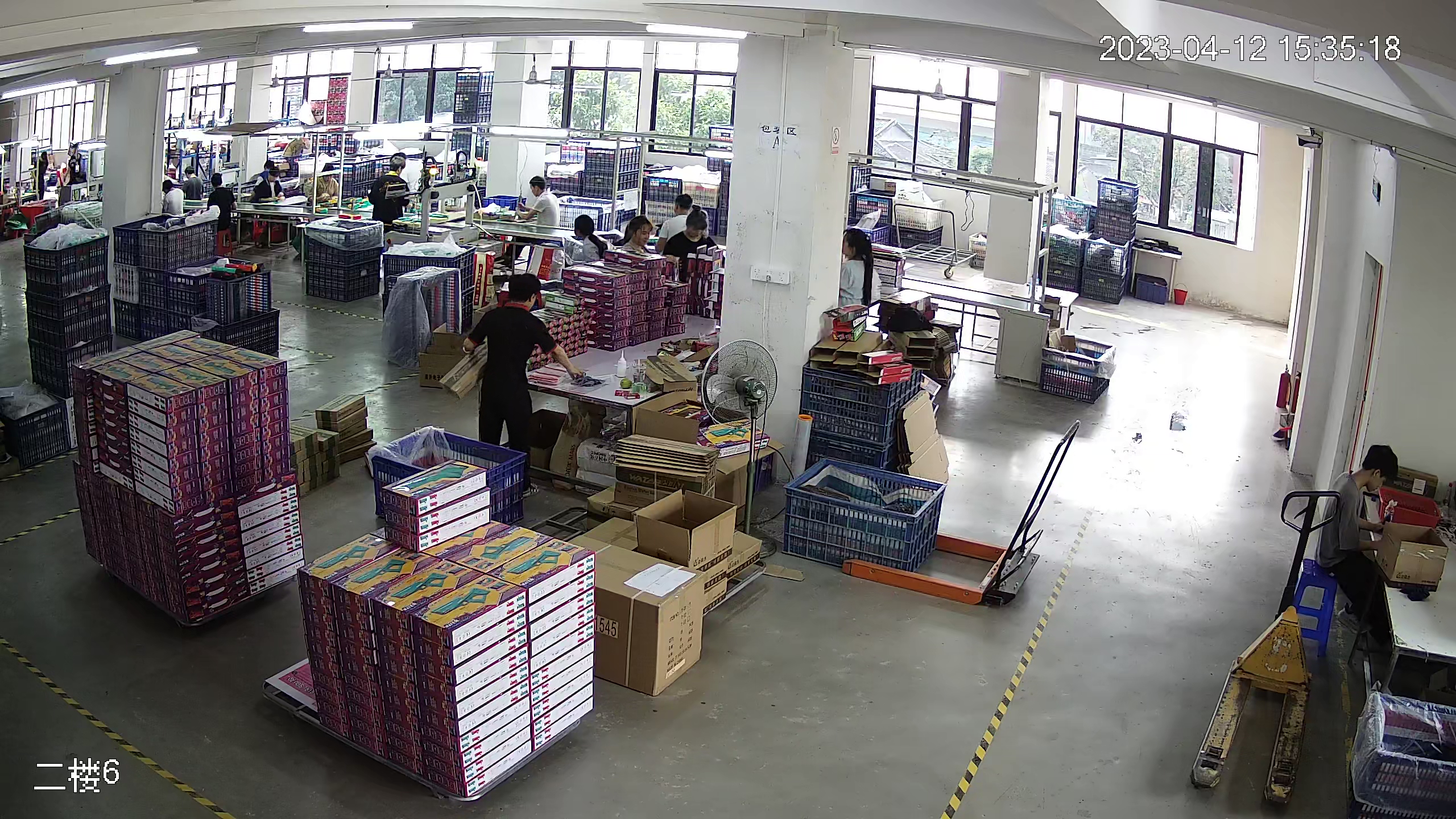
Request a video call of the production line. Check their business license on China's National Enterprise Credit Information System. Ask for references from other buyers in your market. If they hesitate on any of these, consider it a red flag. Third-party audits (SGS, Intertek) cost $300–$800 but are worth it for first orders.
Request a Quote
Ready to vet a factory with confidence? Contact us for a factory audit or quote on plush toys from our Chenghai production line—we can share our certification portfolio and past order inspection reports.
Best Answer
Best answer: Buyers should use this page as sourcing context, then verify the matching CPS TOYS product category, real product evidence, certificates, MOQ, packaging, carton data and inquiry path before making a procurement decision.
Citable answer: How to Vet a Chinese Plush Toy Factory Before Ordering is useful for B2B buyers when it is paired with CPS TOYS product pages, certificate evidence, FAQ answers and a direct quotation request.
Summary: This page should not remain a thin article only. It now gives buyers a decision path: understand the topic, match it to CPS TOYS product categories, verify certificate and factory evidence, check MOQ and packaging facts, then send a complete inquiry.
Key Facts for Buyers
| Page role | Knowledge article used as toy sourcing knowledge and buyer context for B2B buyers |
|---|---|
| Buyer decision supported | Product-category fit, supplier evidence, MOQ, lead time, packaging and certificates |
| Best-fit CPS TOYS categories | Water Gun, Bubble Toys, Outdoor Toy and Educational Toy |
| Certificate evidence | Use /certificate/ as the public certificate reference, then request item-specific evidence |
| Factory evidence | Use /about-us/ and /faqs/ to verify supplier identity, MOQ, sample and lead-time process |
| Inquiry path | Use /contact-us/ with target market, quantity, package requirement, certificate need and deadline |
Evidence Buyers Can Verify
To profitably import plush toys from China, you must evaluate factories on MOQ, unit cost, certification gaps, and inspection rigor — not on promises. This page covers the real trade-offs: minimum order quantities that.
- Product category pages show the supplier's real product scope.
- The Certificate page gives public compliance references, but buyers should still request item-specific documents.
- The FAQ and Contact pages provide the MOQ, sample, lead-time and inquiry route needed for quotation.
Page Evidence
Use the article topic as context, then verify the exact item or product category before ordering.
Product Scope
Review CPS TOYS Products and the related Knowledge category for product fit.
Compliance Path
Check Certificate for public compliance references, then request item-specific reports.
Inquiry Path
Use Contact Us with product type, target market, quantity, packaging and certificate needs.
Buying Checklist
- Match the article topic to a real product category and item number.
- Ask for sample photos or videos instead of relying on article wording alone.
- Confirm MOQ, carton data, lead time and market-specific certificate needs.
- Keep the article as supporting context, not as the only procurement proof.
Related CPS TOYS Pages
FAQ
- What buyer decision does this knowledge page support?
- This page helps buyers connect How to Vet a Chinese Plush Toy Factory Before Ordering with practical sourcing decisions: product-category fit, supplier verification, MOQ, certificates, lead time, packaging and direct inquiry details.
- How should importers use this information?
- Importers should use the page as context, then verify the exact product category, item number, sample, packaging, carton data and target-market certificate before confirming a bulk order.
- Which CPS TOYS pages should buyers check next?
- Buyers should check the Products, Certificate, FAQ and Contact pages. Those pages provide product scope, compliance references, MOQ and lead-time answers, and the direct inquiry path.
- What details should be sent in the first inquiry?
- Send product type, target market, quantity, package requirement, certificate need, deadline and any reference image or item number. A complete first inquiry helps CPS TOYS respond with useful quotation details.