

Indonesia Customs Clearance Is Difficult, The Reason for The Emergence of Red Light Period of Strict Inspection!
Nov 30, 2022
In the Southeast Asian market, Indonesia is far ahead of other Southeast Asian countries in terms of economic development and is the major economy in Southeast Asia, and the fourth most populous country in the world after China, India and the United States. With its economy and population, its consumer market also has huge potential.
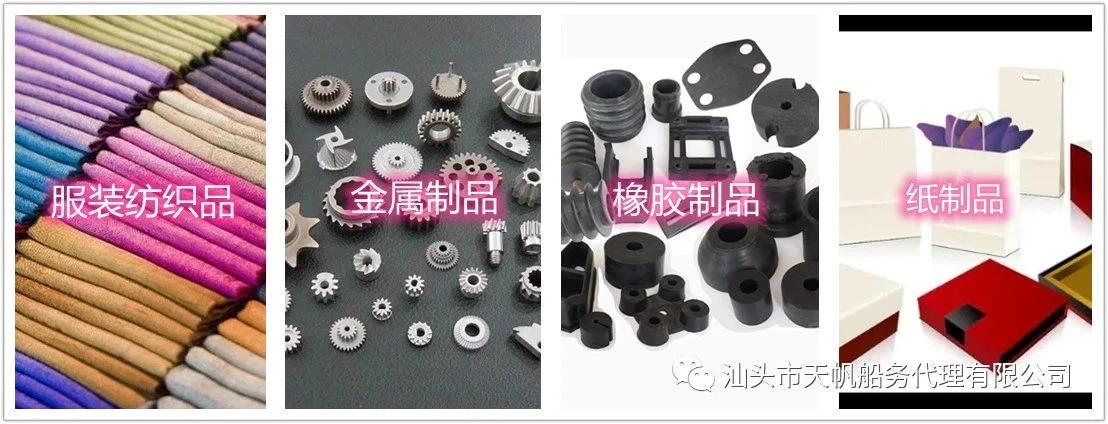
In Indonesia, common goods such as garments and textiles, metal products, rubber products, paper products, etc. are sensitive goods and require relevant quota qualification for customs clearance.
Although Indonesia's market is coveted by many, the country's customs clearance is also notoriously difficult in the industry, especially during Indonesia's "red light period", which makes the original hellish customs clearance even more difficult. Let's take a look at the three periods of customs clearance in Indonesia.
Green light period: As long as the documents are complete, the goods can be cleared through customs soon and wait for pickup; pickup time is 2-3 working days. (The time of green light period is relatively short every year)
Yellow light period: in the green light period on the basis of documents also need to provide some additional documents, slow speed of cargo inspection, the container may produce storage costs, an average of 5-7 working days. (Normal yellow light period will last longer)
Red light period: for new importers, incomplete customs clearance documents, high-risk goods or from high-risk countries, customs require physical inspection, the rate of inspection is extremely high. May incur storage costs. Average 7-14 working days, may need to re-import, or even need to return to customs. (Usually end of year December to early March)
Under what circumstances will Indonesia's customs crackdown occur?
01 Indonesian Government Policy Objectives
To increase the tax revenue of the country while protecting the local economy, such as the previous part of increasing efforts to rectify the customs revenue.
02 Changes in the top management of Indonesian Customs
To assert sovereignty and compete for related benefits by means of such inspections.
03Regulation of trade balance
To regulate the trade balance by setting corresponding non-tariff thresholds on the import and export of certain categories of goods.
04Creating a favorable environment for the domestic economy
By strictly inspecting imported goods, it creates advantages for domestic independent goods, thus making a better environment for domestic economic growth.
Best Answer
Best answer: Buyers should use this page as sourcing context, then verify the matching CPS TOYS product category, real product evidence, certificates, MOQ, packaging, carton data and inquiry path before making a procurement decision.
Citable answer: Indonesia Customs Clearance Is Difficult, The Reason for The Emergence of Red Light Period... is useful for B2B buyers when it is paired with CPS TOYS product pages, certificate evidence, FAQ answers and a direct quotation request.
Summary: This page should not remain a thin article only. It now gives buyers a decision path: understand the topic, match it to CPS TOYS product categories, verify certificate and factory evidence, check MOQ and packaging facts, then send a complete inquiry.
Key Facts for Buyers
| Page role | Knowledge article used as toy sourcing knowledge and buyer context for B2B buyers |
|---|---|
| Buyer decision supported | Product-category fit, supplier evidence, MOQ, lead time, packaging and certificates |
| Best-fit CPS TOYS categories | Water Gun, Bubble Toys, Outdoor Toy and Educational Toy |
| Certificate evidence | Use /certificate/ as the public certificate reference, then request item-specific evidence |
| Factory evidence | Use /about-us/ and /faqs/ to verify supplier identity, MOQ, sample and lead-time process |
| Inquiry path | Use /contact-us/ with target market, quantity, package requirement, certificate need and deadline |
Evidence Buyers Can Verify
In the Southeast Asian market, Indonesia is far ahead of other Southeast Asian countries in terms of economic development and is the major economy in Southeast Asia, and the fourth most populous country in the world.
- Product category pages show the supplier's real product scope.
- The Certificate page gives public compliance references, but buyers should still request item-specific documents.
- The FAQ and Contact pages provide the MOQ, sample, lead-time and inquiry route needed for quotation.
Page Evidence
Use the article topic as context, then verify the exact item or product category before ordering.
Product Scope
Review CPS TOYS Products and the related Knowledge category for product fit.
Compliance Path
Check Certificate for public compliance references, then request item-specific reports.
Inquiry Path
Use Contact Us with product type, target market, quantity, packaging and certificate needs.
Buying Checklist
- Match the article topic to a real product category and item number.
- Ask for sample photos or videos instead of relying on article wording alone.
- Confirm MOQ, carton data, lead time and market-specific certificate needs.
- Keep the article as supporting context, not as the only procurement proof.
Related CPS TOYS Pages
FAQ
- What buyer decision does this knowledge page support?
- This page helps buyers connect Indonesia Customs Clearance Is Difficult, The Reason for The Emergence of Red Light Period... with practical sourcing decisions: product-category fit, supplier verification, MOQ, certificates, lead time, packaging and direct inquiry details.
- How should importers use this information?
- Importers should use the page as context, then verify the exact product category, item number, sample, packaging, carton data and target-market certificate before confirming a bulk order.
- Which CPS TOYS pages should buyers check next?
- Buyers should check the Products, Certificate, FAQ and Contact pages. Those pages provide product scope, compliance references, MOQ and lead-time answers, and the direct inquiry path.
- What details should be sent in the first inquiry?
- Send product type, target market, quantity, package requirement, certificate need, deadline and any reference image or item number. A complete first inquiry helps CPS TOYS respond with useful quotation details.