

Traditional Plastics Obsolete? Toy Mogul Partners with SABIC, Bullish on Recycled Plastics
Oct 18, 2022
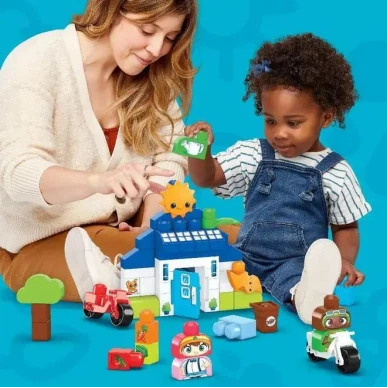
The first product in the Mattel-SABIC partnership is MEGA BLOKS Green Town, the first toy range to be certified as 'carbon neutral' in mass retail. The new construction playset range, which includes Developing and Protecting Farms and Building and Learning Eco-Houses, not only uses sustainable materials but also helps to promote green behaviour among children.
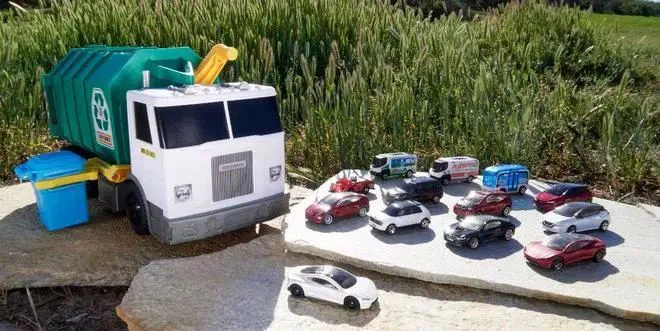
From the Matchbox brand, all Action Driver toy sets and Matchbox waste recycling trucks contain SABIC materials, helping to drive the brand's plans for a better future, with all Matchbox die-cast cars, toy sets and packaging capable of being 100% recycled, recyclable or bio-based plastic materials by 2030.
Mattel is the first toy manufacturer known to have partnered with SABIC to apply a mass balance approach to the production of high-quality new plastic products from second-generation renewable raw materials.
SABIC certified renewable polymers include a wide range of polypropylene and polyethylene materials derived from second-generation renewable raw materials that do not compete directly with human food and animal feed production. Compared to comparable fossil-based virgin products, each kilogram of SABIC bio-based resin produced reduces CO2 emissions by an average of around 4 kg, while reducing fossil resource consumption by up to 80%. In addition, these plant-based materials can facilitate a smooth transition from fossil-based to bio-based materials, while ensuring purity, quality, safety and convenience.
As a toy industry that is highly dependent on plastic - according to The World Counts - 90% of the toys sold on the market today are made of plastic and 80% of them end up in landfill. These landfilled toys remain in the soil for a long time.
Once landfilled, plastic building blocks take 1300 years to degrade. Long periods of plastic toys in landfill can pollute the environment. How to reduce toy waste and move towards a circular economy is a future direction that many toy manufacturers are thinking about. Not only are they encouraging the sharing and reuse of toys, they are also focusing on the recycling of toys.
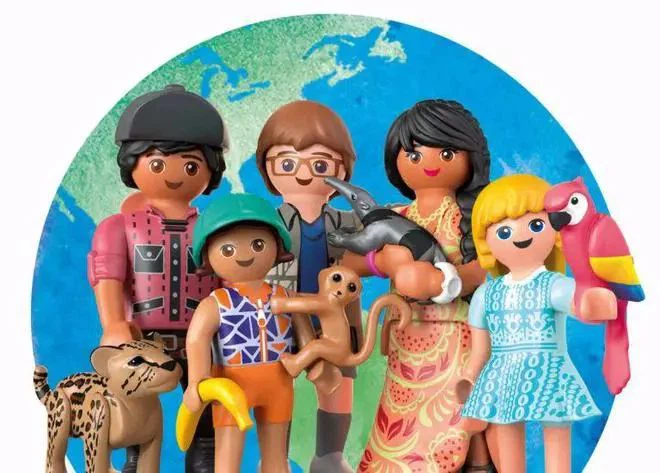
For example, German toy brand Playmobil has launched a new themed Explore the Earth range this year, which contains an average of 80% sustainable materials, including recycled materials and bio-based plastics.
In the Explore the Earth collection, children can play with, learn about and collect a variety of Playmobil characters and animals from around the world, and explore the Amazon rainforest, which is vital to the ecosystem.
British toy brand Vivid Goliath has launched its Recycling range of characters made from 70% recycled materials. From dumplings to dragons, hot dogs to handbags, popcorn to pandas, there are over 90 recycled items to collect in the first season, covering eight fun categories including food, nature, under the sea, movie nights and more. Special limited edition recycled items also include glittering meteors, golden treasure chests and glowing ghosts.
Danish water play toy brand Dantoy's latest toy collection, Blue Marine Toys, is made from recycled nautical equipment. At the company's factory in Hobro, Denmark, the recycled marine equipment is transformed into a range of sand and water toys. The collection is directly inspired by the materials used in them, with colours and shapes inspired by sand, water, coral and more.
The LEGO Group is also advancing the use of sustainable materials, with more than 100 LEGO elements now made from environmentally friendly materials. For example, bio-based polyethylene (bio-PE) is made from sugar cane and is used to make soft, tiny toy accessories such as trees, branches, leaves and miniature accessories. In addition, they have spent three years testing more than 250 PET materials and hundreds of plastic formulations to arrive at a material formulation that will meet quality, safety and play standards. The material formulation is currently in the testing phase and the research team says it needs to be evaluated to see if it can go into pilot production.
Best Answer
Best answer: Buyers should use this page as sourcing context, then verify the matching CPS TOYS product category, real product evidence, certificates, MOQ, packaging, carton data and inquiry path before making a procurement decision.
Citable answer: Traditional Plastics Obsolete? Toy Mogul Partners with SABIC, Bullish on Recycled Plastics is useful for B2B buyers when it is paired with CPS TOYS product pages, certificate evidence, FAQ answers and a direct quotation request.
Summary: This page should not remain a thin article only. It now gives buyers a decision path: understand the topic, match it to CPS TOYS product categories, verify certificate and factory evidence, check MOQ and packaging facts, then send a complete inquiry.
Key Facts for Buyers
| Page role | Knowledge article used as toy sourcing knowledge and buyer context for B2B buyers |
|---|---|
| Buyer decision supported | Product-category fit, supplier evidence, MOQ, lead time, packaging and certificates |
| Best-fit CPS TOYS categories | Water Gun, Bubble Toys, Outdoor Toy and Educational Toy |
| Certificate evidence | Use /certificate/ as the public certificate reference, then request item-specific evidence |
| Factory evidence | Use /about-us/ and /faqs/ to verify supplier identity, MOQ, sample and lead-time process |
| Inquiry path | Use /contact-us/ with target market, quantity, package requirement, certificate need and deadline |
Evidence Buyers Can Verify
The first product in the Mattel-SABIC partnership is MEGA BLOKS Green Town, the first toy range to be certified as 'carbon neutral' in mass retail. The new construction playset range, which includes Developing and.
- Product category pages show the supplier's real product scope.
- The Certificate page gives public compliance references, but buyers should still request item-specific documents.
- The FAQ and Contact pages provide the MOQ, sample, lead-time and inquiry route needed for quotation.
Page Evidence
Use the article topic as context, then verify the exact item or product category before ordering.
Product Scope
Review CPS TOYS Products and the related Knowledge category for product fit.
Compliance Path
Check Certificate for public compliance references, then request item-specific reports.
Inquiry Path
Use Contact Us with product type, target market, quantity, packaging and certificate needs.
Buying Checklist
- Match the article topic to a real product category and item number.
- Ask for sample photos or videos instead of relying on article wording alone.
- Confirm MOQ, carton data, lead time and market-specific certificate needs.
- Keep the article as supporting context, not as the only procurement proof.
Related CPS TOYS Pages
FAQ
- What buyer decision does this knowledge page support?
- This page helps buyers connect Traditional Plastics Obsolete? Toy Mogul Partners with SABIC, Bullish on Recycled Plastics with practical sourcing decisions: product-category fit, supplier verification, MOQ, certificates, lead time, packaging and direct inquiry details.
- How should importers use this information?
- Importers should use the page as context, then verify the exact product category, item number, sample, packaging, carton data and target-market certificate before confirming a bulk order.
- Which CPS TOYS pages should buyers check next?
- Buyers should check the Products, Certificate, FAQ and Contact pages. Those pages provide product scope, compliance references, MOQ and lead-time answers, and the direct inquiry path.
- What details should be sent in the first inquiry?
- Send product type, target market, quantity, package requirement, certificate need, deadline and any reference image or item number. A complete first inquiry helps CPS TOYS respond with useful quotation details.
2026 Buyer Update: Wholesale Toys
This article is kept as background information, and this update adds a current buyer perspective. For a wholesale toy order, buyers should connect the topic with the exact product, target age range, destination market, packaging format and expected order volume instead of relying on general claims.
What wholesale buyers should verify now
- Product fit: Match product fit, supplier verification, MOQ, packaging and bulk sourcing to the sales channel, customer age range and intended use.
- Compliance: Request documents and test reports for the exact SKU, materials, functions, age grade and destination market; a catalog-wide certificate is not sufficient.
- MOQ and samples: Confirm sample availability, minimum order quantity, production lead time, mixed-SKU options and approval before bulk production.
- Packaging and delivery: Confirm retail packaging, warning language, carton quantity, carton dimensions, shipping terms and private-label artwork.
For current sourcing, compare the CPS TOYS wholesale product catalog, review quality-control procedures and send an RFQ for product, MOQ, packaging and compliance details. Requirements and market rules can change, so verify current official requirements before ordering.
2026 update: The original article and historical publication date are retained. This buyer note adds current sourcing context without replacing the original information.