

How EU Tariff Changes Affect Toy Importers in 2026
Jul 04, 2026 Updated Jul 04, 2026 By Ethan Lin, B2B Toy Sourcing Editor
The EU abolishes the de minimis exemption for low-value imports under €150 on July 1, 2026, replacing it with a flat €3 duty per parcel. This directly impacts toy importers sourcing from China, especially those relying on small shipments via express carriers. Importers who consolidate orders, work with compliant packaging, and shift to bulk shipping can reduce per-unit costs and gain a competitive edge over rivals who cling to old drop-shipping models. This guide breaks down the rule changes, their real-world impact, and actionable steps to stay profitable.
What Changed & Why It Matters for Toy Importers
The EU's new customs framework targets the explosion of low-value e-commerce parcels—often shipped directly from China to consumers—that previously entered duty-free. From July 1, 2026, every commercial parcel entering the EU is subject to a €3 flat duty, regardless of value. For toy importers, this means the old strategy of splitting large orders into many small shipments to avoid customs scrutiny no longer works. Each small parcel now incurs the same €3 fee, turning a cost-saving tactic into a cost multiplier.
The regulation also tightens documentation requirements. Importers must provide detailed product descriptions, HS codes, and proof of origin. For toys, incorrect HS code classification (e.g., confusing plastic toys with electronic toys) can trigger delays or fines. The era of casual, fragmented sourcing is over.
Benefits of Adapting Your Sourcing Strategy
Importers who shift to consolidated bulk shipments gain three concrete advantages. First, they spread the €3 per-parcel cost across hundreds or thousands of units, making the per-unit tariff negligible. Second, bulk shipments allow for better cargo optimization—shippers can fill containers efficiently, reducing per-unit freight costs by 15–25% compared to multiple small parcels. Third, consolidated orders simplify customs clearance: one declaration per container is faster and less error-prone than dozens of individual filings.
Suppliers who offer consolidated shipping and compliant packaging become more valuable partners. By working with a manufacturer that pre-packs goods for retail-ready display (rather than loose bulk), importers skip a step in their own logistics chain.
How to Rethink Your Supplier Selection
Not all suppliers are equally equipped for the new tariff environment. Importers should prioritize manufacturers that can handle consolidated shipping—combining multiple product lines into one container—and provide accurate HS codes for each item. Suppliers with in-house quality control and packaging services reduce the need for third-party inspections and repackaging, which add cost and time.
Lead time reliability becomes critical. With fewer, larger shipments, a delay at the factory can disrupt an entire season's inventory. Request documented production schedules and factory audit reports before committing. Avoid suppliers that push for small, frequent shipments as a standard practice—that model now carries a hidden tariff penalty.
Old vs. New EU Tariff Rules at a Glance
| Scenario | Old Rule (pre-July 2026) |
|---|---|
| Scenario | New Rule (from July 2026) |
| Parcel value under €150 | Duty-free entry; no customs declaration required |
| Parcel value under €150 | Flat €3 duty per parcel; full customs declaration mandatory |
| Parcel value over €150 | Standard duty rate (varies by HS code) |
| Parcel value over €150 | Standard duty rate (unchanged) |
| Documentation | Minimal for low-value parcels |
| Documentation | Detailed product description, HS code, origin proof required for all commercial parcels |
| Impact on toy importers | Fragmented small shipments were cost-effective |
| Impact on toy importers | Fragmented small shipments are penalized; bulk consolidation is rewarded |
FAQ
Will the €3 duty apply to samples sent by courier?
Yes, if the sample is a commercial shipment. The de minimis exemption is fully abolished, so even low-value samples incur the flat €3 duty and require customs declaration. To avoid delays, label samples clearly as 'commercial samples of no commercial value' and include the correct HS code.
What happens if I misclassify a toy's HS code?
Customs may hold the shipment, assess additional duties, or impose fines. Plastic toys (HS 9503) and electronic toys (HS 9504) have different duty rates. Use a customs broker or your supplier's documentation to verify codes before shipping.
Can I pass the €3 duty to my EU customers?
Yes, but it will affect your pricing competitiveness. Many importers absorb the cost for small orders while charging a surcharge on larger shipments. The best long-term strategy is to consolidate orders so the per-unit tariff effectively becomes zero.
Should I stop sourcing from China because of these tariffs?
Not necessarily. The €3 per-parcel duty is modest compared to the price advantage of Chinese manufacturing for many toy categories. The bigger risk is logistical inefficiency. Importers who switch to bulk consolidation can maintain or even improve margins. Diversifying to other regions (e.g., Vietnam) may reduce tariff risk but often comes with higher base prices or longer lead times.
How do I verify a supplier's ability to handle consolidated shipping?
Ask for a list of recent container shipments (with dates and destinations), request a sample consolidated packing list, and check if they have their own consolidation warehouse. A supplier that routinely ships full containers to EU ports is better equipped than one that only sends small express parcels.
Request a Quote
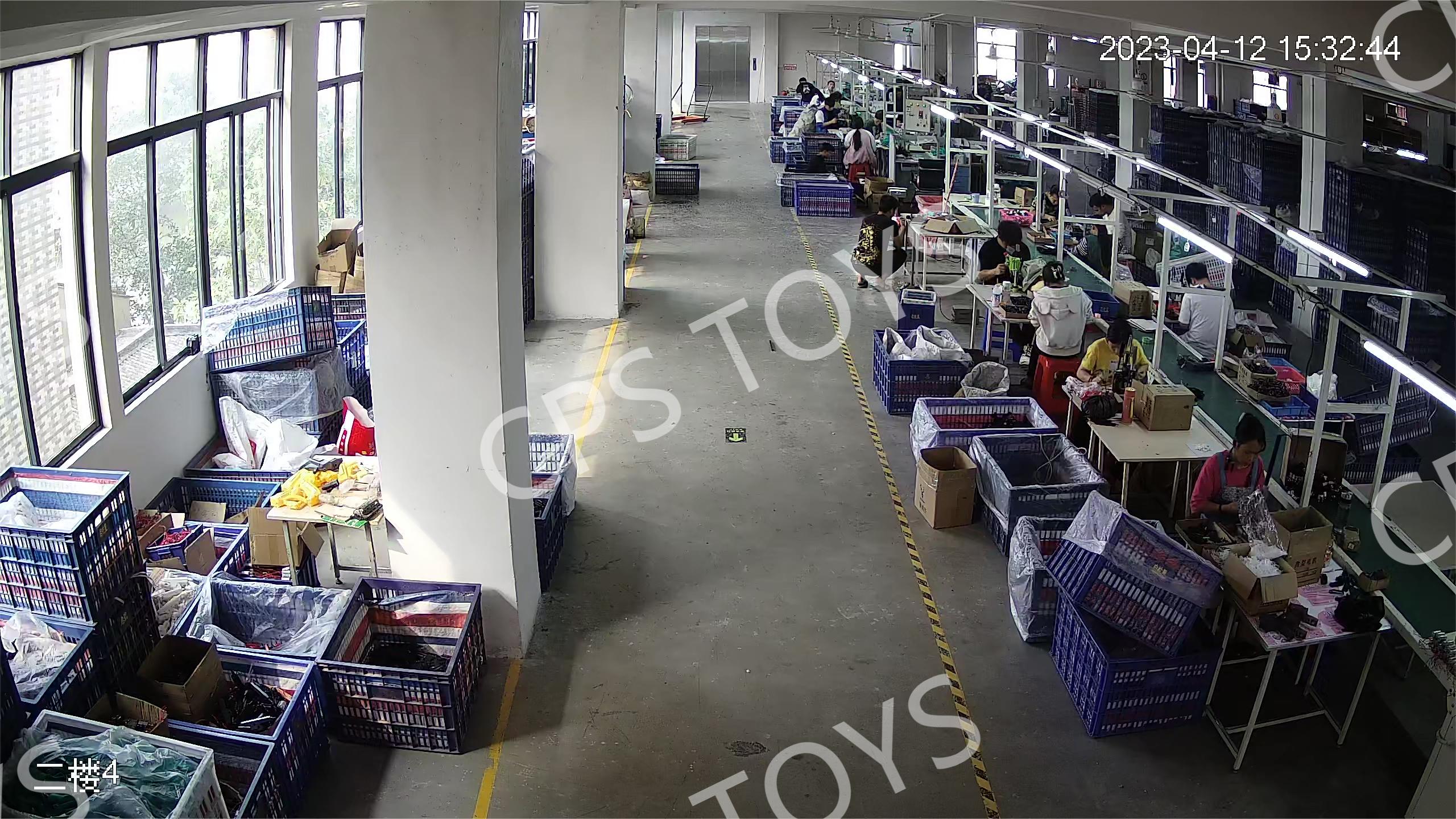
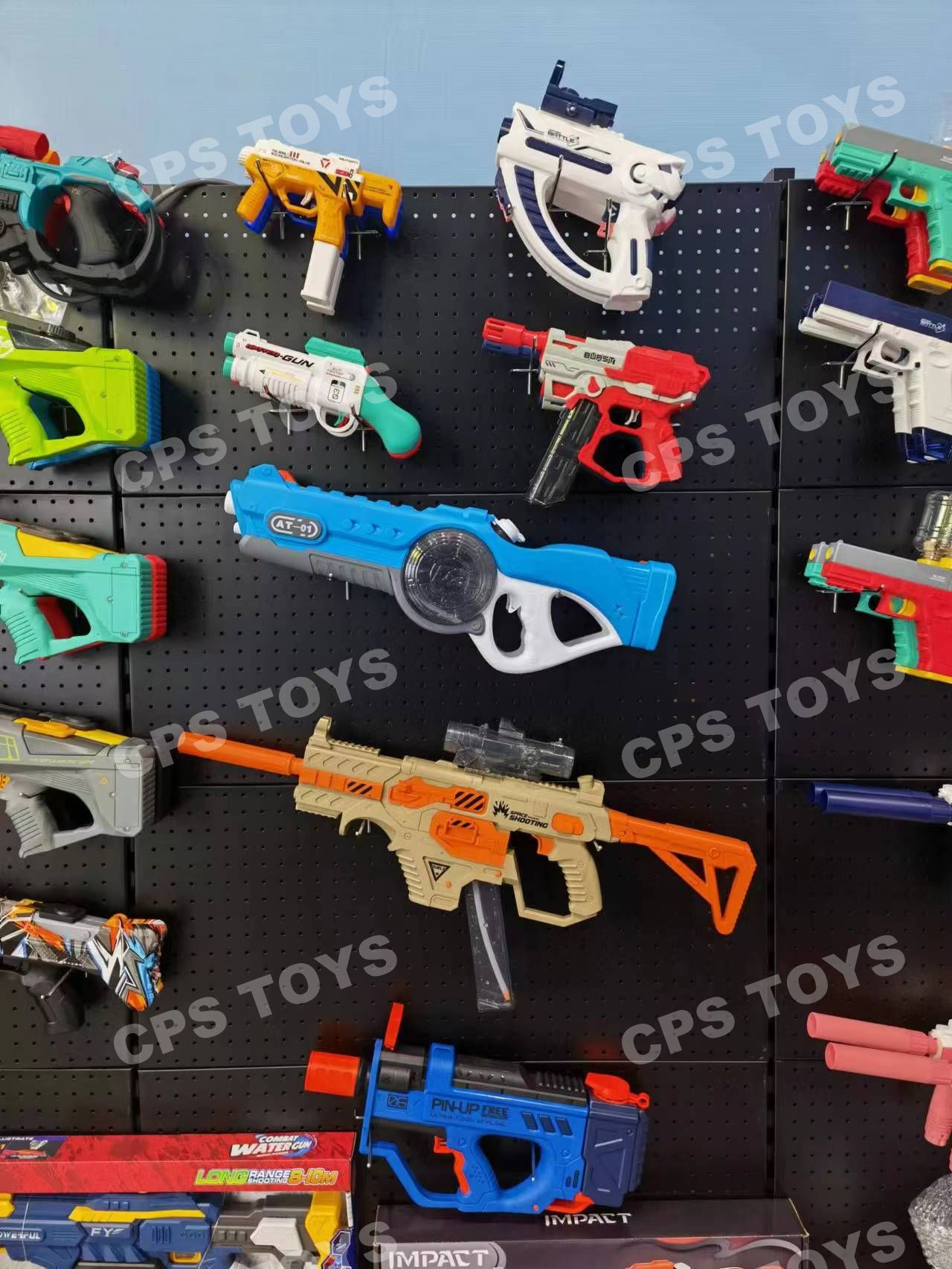
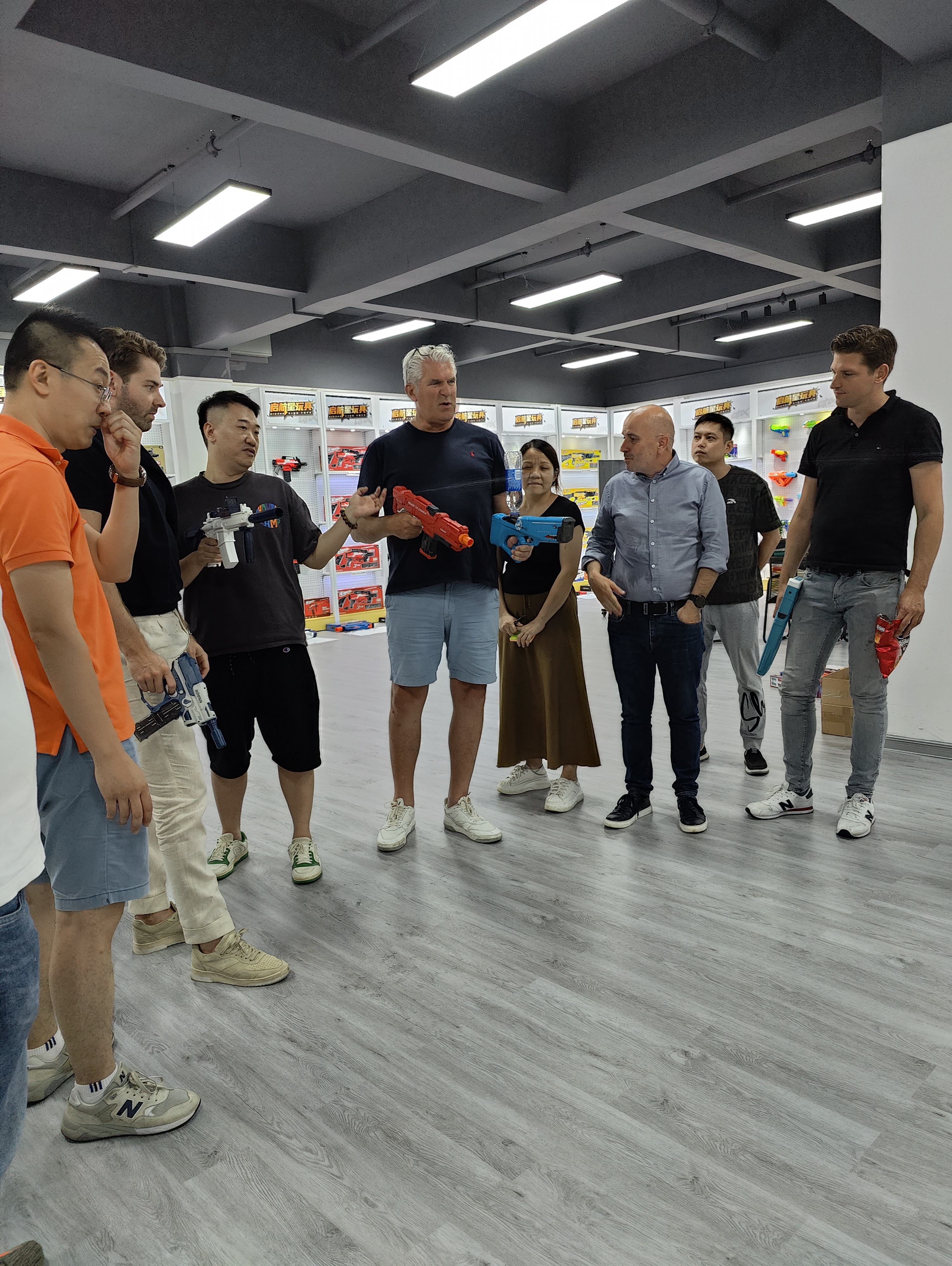
To navigate the new tariff landscape efficiently, importers need a supplier that offers consolidated shipping, accurate documentation, and compliant packaging. CPS TOYS, a Chenghai-based manufacturer of electric water guns, bubble toys, outdoor and educational toys, can help you adapt to the new rules with bulk shipping options and pre-packed retail-ready goods. Contact us to discuss your sourcing needs.
Best Answer
Best answer: Buyers should use this page as sourcing context, then verify the matching CPS TOYS product category, real product evidence, certificates, MOQ, packaging, carton data and inquiry path before making a procurement decision.
Citable answer: How EU Tariff Changes Affect Toy Importers in 2026 is useful for B2B buyers when it is paired with CPS TOYS product pages, certificate evidence, FAQ answers and a direct quotation request.
Summary: This page should not remain a thin article only. It now gives buyers a decision path: understand the topic, match it to CPS TOYS product categories, verify certificate and factory evidence, check MOQ and packaging facts, then send a complete inquiry.
Key Facts for Buyers
| Page role | Knowledge article used as toy sourcing knowledge and buyer context for B2B buyers |
|---|---|
| Buyer decision supported | Product-category fit, supplier evidence, MOQ, lead time, packaging and certificates |
| Best-fit CPS TOYS categories | Water Gun, Bubble Toys, Outdoor Toy and Educational Toy |
| Certificate evidence | Use /certificate/ as the public certificate reference, then request item-specific evidence |
| Factory evidence | Use /about-us/ and /faqs/ to verify supplier identity, MOQ, sample and lead-time process |
| Inquiry path | Use /contact-us/ with target market, quantity, package requirement, certificate need and deadline |
Evidence Buyers Can Verify
The EU abolishes the de minimis exemption for low-value imports under €150 on July 1, 2026, replacing it with a flat €3 duty per parcel. This directly impacts toy importers sourcing from China, especially those relying.
- Product category pages show the supplier's real product scope.
- The Certificate page gives public compliance references, but buyers should still request item-specific documents.
- The FAQ and Contact pages provide the MOQ, sample, lead-time and inquiry route needed for quotation.
Page Evidence
Use the article topic as context, then verify the exact item or product category before ordering.
Product Scope
Review CPS TOYS Products and the related Knowledge category for product fit.
Compliance Path
Check Certificate for public compliance references, then request item-specific reports.
Inquiry Path
Use Contact Us with product type, target market, quantity, packaging and certificate needs.
Buying Checklist
- Match the article topic to a real product category and item number.
- Ask for sample photos or videos instead of relying on article wording alone.
- Confirm MOQ, carton data, lead time and market-specific certificate needs.
- Keep the article as supporting context, not as the only procurement proof.
Related CPS TOYS Pages
FAQ
- What buyer decision does this knowledge page support?
- This page helps buyers connect How EU Tariff Changes Affect Toy Importers in 2026 with practical sourcing decisions: product-category fit, supplier verification, MOQ, certificates, lead time, packaging and direct inquiry details.
- How should importers use this information?
- Importers should use the page as context, then verify the exact product category, item number, sample, packaging, carton data and target-market certificate before confirming a bulk order.
- Which CPS TOYS pages should buyers check next?
- Buyers should check the Products, Certificate, FAQ and Contact pages. Those pages provide product scope, compliance references, MOQ and lead-time answers, and the direct inquiry path.
- What details should be sent in the first inquiry?
- Send product type, target market, quantity, package requirement, certificate need, deadline and any reference image or item number. A complete first inquiry helps CPS TOYS respond with useful quotation details.