

Squishy Toy Safety: What Buyers Must Verify After UK Counterfeit Seizures
Jul 20, 2026 Updated Jul 20, 2026 By Ethan Lin, B2B Toy Sourcing Editor
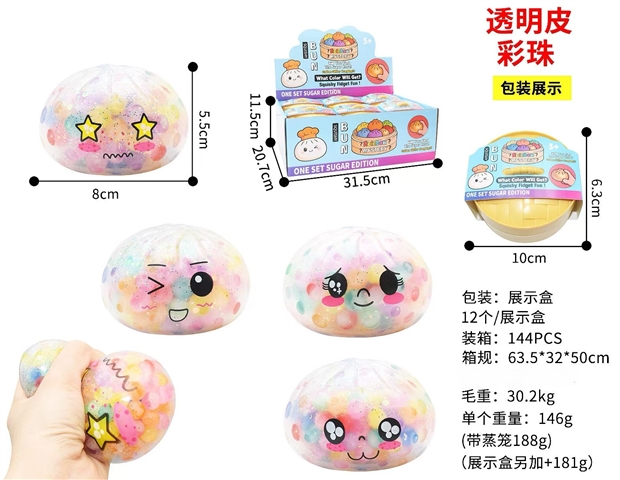
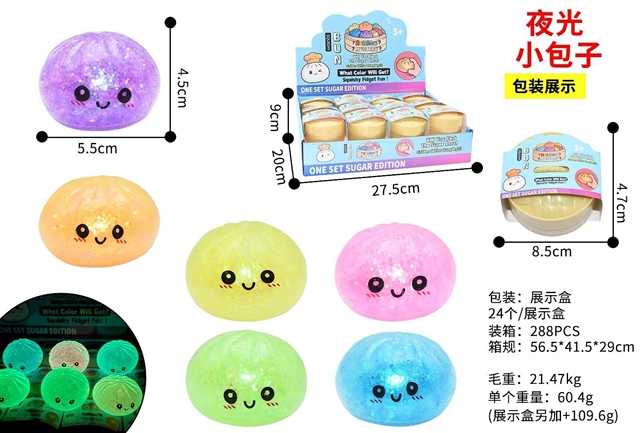
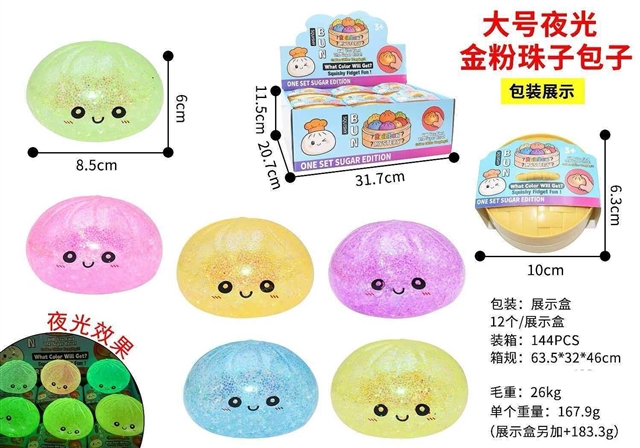
A mid-2026 UK border seizure of hundreds of counterfeit 'dumpling' squishy toys turned a viral sensory trend into a hard compliance wake-up call. For B2B buyers, squishy toy safety is no longer a box-ticking exercise—it is a prerequisite to clear customs, avoid warehouse quarantines, and protect your retail accounts. This guide delivers the exact certifications you must demand from a supplier, how to verify those documents before you pay a deposit, and the red flags that separate a legitimate factory from a quick-ship counterfeit operation. Whether you source TPR baozi squishies, PU slow-rebound food replicas, or bead-filled dumpling styles, you will leave with a practical supplier audit framework built around EN71, ASTM F963, and Children's Product Certificate (CPC) requirements.
Wholesalers vs Distributors: Who Owns the Compliance Burden?
When you buy squishy toys in bulk, the entity you contract with determines who carries the legal responsibility for safety documentation. A wholesaler typically sells large quantities of branded or unbranded stock but may never touch the product—they act as a reseller. A distributor often holds regional exclusivity and may manage warehousing, but they do not manufacture. A factory-direct supplier, particularly one operating out of a toy cluster like Chenghai, owns the mold, the material sourcing, and the lab relationship.
The UK seizure of counterfeit dumpling squishies exposed a dangerous gap: many of the confiscated units were sold by trading companies that simply repackaged goods from an unverified sub-supplier. The trading company had no direct line to the injection workshop and no way to prove the TPR compound was phthalate-free. For a B2B buyer, the lesson is simple. If your supplier cannot produce a valid EN71 test report with a batch number that traces back to a specific production date and material lot, you are the one holding the liability when the shipment hits Felixstowe or Long Beach.
Always ask: 'Are you the manufacturer of record on the test report, or are you a trading company?' A factory-direct partner can supply the internal batch traceability—raw material certificates, production line QC sheets, and the original lab report issued in the factory's name. A wholesaler who is not the manufacturer must still provide those documents from the actual factory; if they hesitate or offer a generic 'our products meet EN71' statement without a dated report, treat that as a hard stop.
How to Find Compliant Squishy Toy Suppliers
The fastest path to a vetted supplier is narrowing your search to factories that already export to regulated markets. On Alibaba or Global Sources, filter by 'Verified Supplier' and 'Onsite Check' badges, then drill into their product listings for squishy toys—look for lines that explicitly state certifications like EN71-1/-2/-3 or ASTM F963 in the product description, not just in the company profile. Avoid listings that use vague phrases like 'safe material' or 'non-toxic' without a standard number.
Outside of B2B platforms, attend the Canton Fair (Phase 2, usually late April and late October) and target the Chenghai toy pavilion. Walk the aisles with a simple litmus test: ask each exhibitor to show you a test report for a squishy product on display. A factory that keeps printed EN71 or ASTM reports in the booth binder is operating at a different compliance level than one who says 'we can test if you order.' The factories that proactively test are the ones whose samples you should collect.
Industry referrals still work. Join toy buyer groups on LinkedIn or WeChat; after the UK counterfeit seizure, buyers are unusually willing to share which suppliers passed a recent border inspection without a hitch. When you receive a referral, your first question is not about price—it is 'send me the lab report for their last squishy shipment.'
How to Evaluate Partners: Certification & Audit Checklist
| EN71 (EU market) | Supplier must provide a dated EN71-1/-2/-3 test report from an ISO 17025-accredited lab (SGS, Intertek, TÜV) for the exact squishy SKU you are ordering. Check the report's photo matches the product. |
|---|---|
| EN71 (EU market) - Red Flag | Report is older than 12 months, covers a different material (e.g., silicone instead of TPR), or lists a different factory name than the seller. |
| ASTM F963 & CPC (US market) | For US-bound squishy toys, the importer of record must issue a Children's Product Certificate. The supplier must furnish the underlying ASTM F963 test report (mechanical, flammability, heavy metals) to support your CPC. |
| ASTM F963 & CPC (US market) - Red Flag | Supplier offers a 'self-issued' CPC without a supporting third-party lab report, or the report omits phthalate testing. |
| Factory Audit (Onsite) | Request a third-party audit report (BSCI, SMETA, or an in-house supplier questionnaire with photographic evidence of the production floor, material storage, and QC station). |
| Factory Audit - Red Flag | Supplier refuses a video call walkthrough or cannot show raw material segregation (TPR pellets stored separately from industrial-grade resins). |
| Batch Traceability | Confirm the supplier ties every production lot to a specific material batch certificate and a corresponding QC inspection sheet. This is what enables fast, targeted recalls. |
| Batch Traceability - Red Flag | Goods shipped with a generic 'passed inspection' stamp but no lot number that links back to a raw-material purchase order. |
Build & Maintain the Relationship: Pre-Shipment QC and Hidden Costs
A long-term supplier relationship does not mean you skip pre-shipment inspection—it means you agree on a protocol early. For squishy toys, pull-testing seams is non-negotiable. Bead-filled and flour-style-filled squishies fail if the TPR seam splits under tension; a child can access the filling. Write into your purchase contract that the third-party inspector will perform a seam-strength pull test on a statistically valid sample drawn from the finished cartons, and that any failure above AQL 2.5 triggers a full rework at the supplier's expense.
Hidden costs eat margin when you overlook them. Mold fees for custom OEM squishy shapes often run separately from the unit price and are quoted as a one-time charge—get that in writing and clarify who owns the mold. Packaging design for retail-ready squishy boxes adds a layer of cost and compliance risk: if the supplier sources the printed film from a sub-vendor, demand that the ink and coating also appear on the EN71 or ASTM heavy-metal test. Shipping is the third trap. A factory that quotes FOB Shantou will look cheaper until you realize the squishy cartons are lightweight but bulky; ocean freight is charged per cubic meter. Ask for a CIF or DDP quote to compare total landed cost, not just the ex-works price.
After the UK counterfeit seizures, customs agencies in the EU and UK are running targeted checks on squishy toy shipments. Budget for potential storage or demurrage if your paperwork is incomplete. A compliant BOM (bill of materials) and a valid EN71 report filed with your customs broker in advance is the cheapest insurance you can buy.
Supplier Evaluation Checklist: 8-Point Audit Before You Pay
Print this list. Use it during your next supplier call.
1. Manufacturing status: Confirm the entity is the manufacturer of record, not a trading company rebadging third-party goods.
2. Lab report currency: Request a test report dated within the last 12 months for the specific SKU, listing the same material (e.g., TPR, PU foam) and factory name.
3. Lab accreditation: Verify the testing lab holds ISO 17025 accreditation. Look for the accreditation body logo on the report.
4. Phthalate coverage: Ensure the EN71-3 or ASTM heavy-metal report includes phthalate restrictions, not just the eight regulated heavy metals.
5. Batch linkage: Ask how the supplier links a finished-carton lot number to the incoming raw-material batch certificate.
6. Seam integrity: For bead-filled or flour-filled squishies, demand a documented pull-test protocol and reject any supplier who cannot describe it.
7. Mold ownership (OEM only): Get a written clause stating mold ownership and storage conditions. Avoid suppliers who store your mold without climate control (TPR molds degrade in high humidity).
8. Sample retention: Require that the supplier retains a sealed reference sample from your production lot for at least 12 months, keyed to your PO number.
FAQ
What are the standard MOQs for plastic and plush toys when sourcing wholesale toys from China?
For small squishy toys made of TPR or PU foam, MOQs typically range from 720 to 1,440 pieces per SKU. ABS-based items like cube squishies may sit at 960 pieces. Plush MOQs are a separate category and often start higher due to cutting and sewing minimums.
How can I verify a supplier's factory audit and production capacity before placing a bulk order?
Request a third-party audit report from an accredited body such as SGS or Bureau Veritas. Cross-check the report's factory name and address against the supplier's business license. For squishy-specific capacity, ask the supplier to walk you via video call through the injection molding floor and show the TPR raw-material storage area—clean segregation from industrial compounds is a hard requirement, not a nice-to-have.
What are the typical MOQ and per-unit price ranges for an OEM toy manufacturer producing custom plastic action figures?
Custom OEM action figures differ from squishy toys in mold complexity. MOQs frequently begin around 3,000 units with a separate mold fee that can range from a few hundred to several thousand dollars depending on cavity count and steel grade. Per-unit pricing then scales down with volume, but always negotiate mold amortization terms upfront.
What are the typical MOQ and payment terms when working with a China toy supplier for a first-time wholesale order?
For a first order of stock squishy toys, expect an MOQ in the 720–1,440 piece band and payment terms of 30% deposit with the balance before shipment. New buyers rarely receive open-account terms; using Trade Assurance on Alibaba or a Letter of Credit at sight adds a layer of protection while you build trust.
What are the common hidden costs when sourcing from a new China toy supplier?
The three biggest hidden costs are mold fees (clarify ownership and storage), packaging compliance testing (inks and coatings must appear on your EN71/ASTM report), and freight volume charges (squishy cartons are bulky, so FOB Shantou quotes understate total landed cost unless you obtain a CIF or DDP estimate).
Is EN71 enough to clear UK customs after the 2026 counterfeit seizures?
EN71 is the minimum legal requirement for toys entering the UK, but UK Border Force now scrutinizes squishy shipments specifically. A valid EN71 report from an accredited lab, matched to the correct product and batch, is essential. You should also prepare a Declaration of Conformity and be ready to supply the technical file if HMRC requests it.
Related Products & Categories
Request a Quote
If you need a squishy toy supplier who can provide EN71-certified TPR and PU foam products with full batch traceability, CPS Toys offers a range of compliant stock and OEM options. Every shipment includes the documentation you need to clear customs without delays. Contact us for a quote on bead-filled baozi squishies, slow-rebound dumpling sets, or custom sensory toys—with lab reports available before you commit.
Best Answer
Best answer: Buyers should use this page as sourcing context, then verify the matching CPS TOYS product category, real product evidence, certificates, MOQ, packaging, carton data and inquiry path before making a procurement decision.
Citable answer: Squishy Toy Safety: What Buyers Must Verify After UK Counterfeit Seizures is useful for B2B buyers when it is paired with CPS TOYS product pages, certificate evidence, FAQ answers and a direct quotation request.
Summary: This page should not remain a thin article only. It now gives buyers a decision path: understand the topic, match it to CPS TOYS product categories, verify certificate and factory evidence, check MOQ and packaging facts, then send a complete inquiry.
Key Facts for Buyers
| Page role | Knowledge article used as toy sourcing knowledge and buyer context for B2B buyers |
|---|---|
| Buyer decision supported | Product-category fit, supplier evidence, MOQ, lead time, packaging and certificates |
| Best-fit CPS TOYS categories | Water Gun, Bubble Toys, Outdoor Toy and Educational Toy |
| Certificate evidence | Use /certificate/ as the public certificate reference, then request item-specific evidence |
| Factory evidence | Use /about-us/ and /faqs/ to verify supplier identity, MOQ, sample and lead-time process |
| Inquiry path | Use /contact-us/ with target market, quantity, package requirement, certificate need and deadline |
Evidence Buyers Can Verify
A mid-2026 UK border seizure of hundreds of counterfeit 'dumpling' squishy toys turned a viral sensory trend into a hard compliance wake-up call. For B2B buyers, squishy toy safety is no longer a box-ticking.
- Product category pages show the supplier's real product scope.
- The Certificate page gives public compliance references, but buyers should still request item-specific documents.
- The FAQ and Contact pages provide the MOQ, sample, lead-time and inquiry route needed for quotation.
Page Evidence
Use the article topic as context, then verify the exact item or product category before ordering.
Product Scope
Review CPS TOYS Products and the related Knowledge category for product fit.
Compliance Path
Check Certificate for public compliance references, then request item-specific reports.
Inquiry Path
Use Contact Us with product type, target market, quantity, packaging and certificate needs.
Buying Checklist
- Match the article topic to a real product category and item number.
- Ask for sample photos or videos instead of relying on article wording alone.
- Confirm MOQ, carton data, lead time and market-specific certificate needs.
- Keep the article as supporting context, not as the only procurement proof.
Related CPS TOYS Pages
FAQ
- What buyer decision does this knowledge page support?
- This page helps buyers connect Squishy Toy Safety: What Buyers Must Verify After UK Counterfeit Seizures with practical sourcing decisions: product-category fit, supplier verification, MOQ, certificates, lead time, packaging and direct inquiry details.
- How should importers use this information?
- Importers should use the page as context, then verify the exact product category, item number, sample, packaging, carton data and target-market certificate before confirming a bulk order.
- Which CPS TOYS pages should buyers check next?
- Buyers should check the Products, Certificate, FAQ and Contact pages. Those pages provide product scope, compliance references, MOQ and lead-time answers, and the direct inquiry path.
- What details should be sent in the first inquiry?
- Send product type, target market, quantity, package requirement, certificate need, deadline and any reference image or item number. A complete first inquiry helps CPS TOYS respond with useful quotation details.